Session overview
The speaker discusses their realization about short-term trading strategies and how they helped avoid long-term market risks. They reflect on the financial crisis, the importance of understanding market dynamics, and their journey into options trading, including mentorship, career development, and personal experiences. The video also includes interactive elements and discussions about trading as a business versus a hobby.
01 2:04 Trading Strategies and Personal Journey
The speaker discusses their realization about short-term trading strategies and how they helped avoid long-term market risks. They reflect on the financial crisis, the importance of understanding market dynamics, and their journey into options trading, including mentorship, career development, and personal experiences. The video also includes interactive elements and discussions about trading as a business versus a hobby.

During a period of extreme market volatility, traders who used short-term options strategies remained calm and unaffected, while long-term stock holders faced significant losses. The traders' ability to exit positions within 30 days allowed them to avoid prolonged exposure to market downturns.
Traders who maintain calmness and focus during market volatility are better equipped to make rational decisions and avoid emotional mistakes.
02 12:38 Mental Reflection and Financial Planning Foundations
The speaker reflects on the mental aspects of option trading and its personal significance, then transitions into discussing the components of financial planning, emphasizing the importance of considering various factors in determining financial needs.
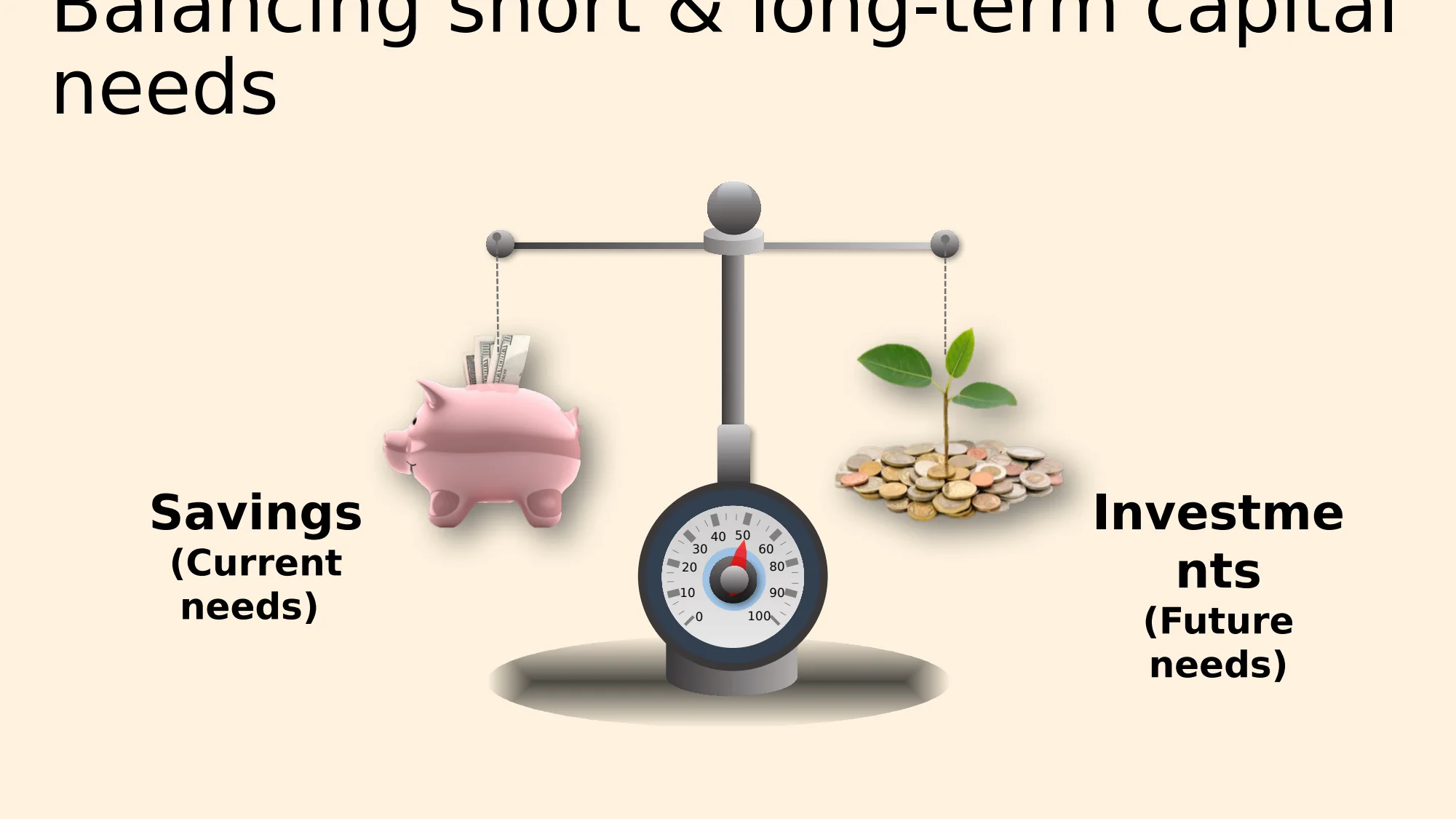
Understanding personal financial needs, including short- and long-term expenses, is critical for aligning trading strategies with life goals such as weddings, housing, and retirement.
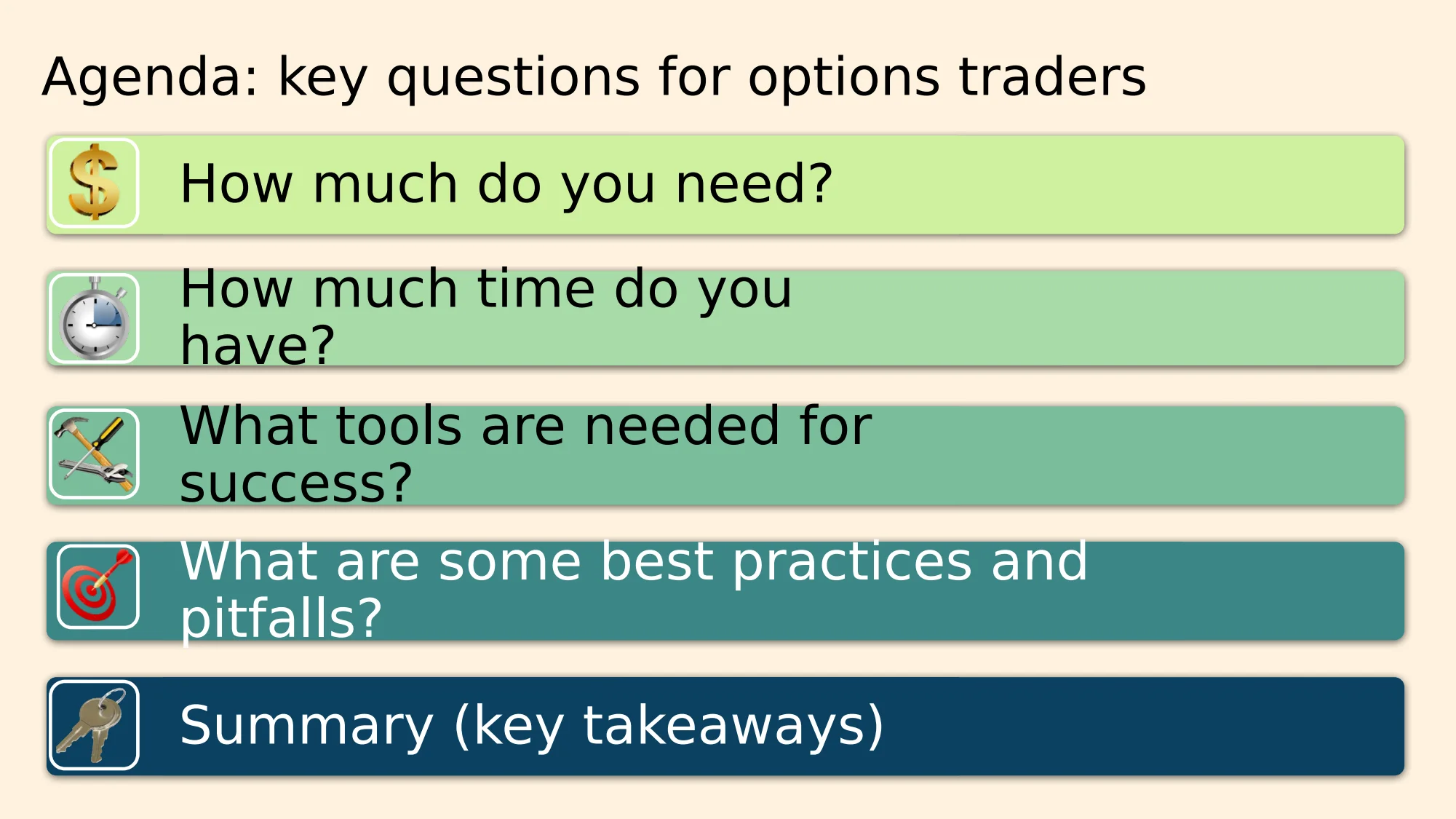
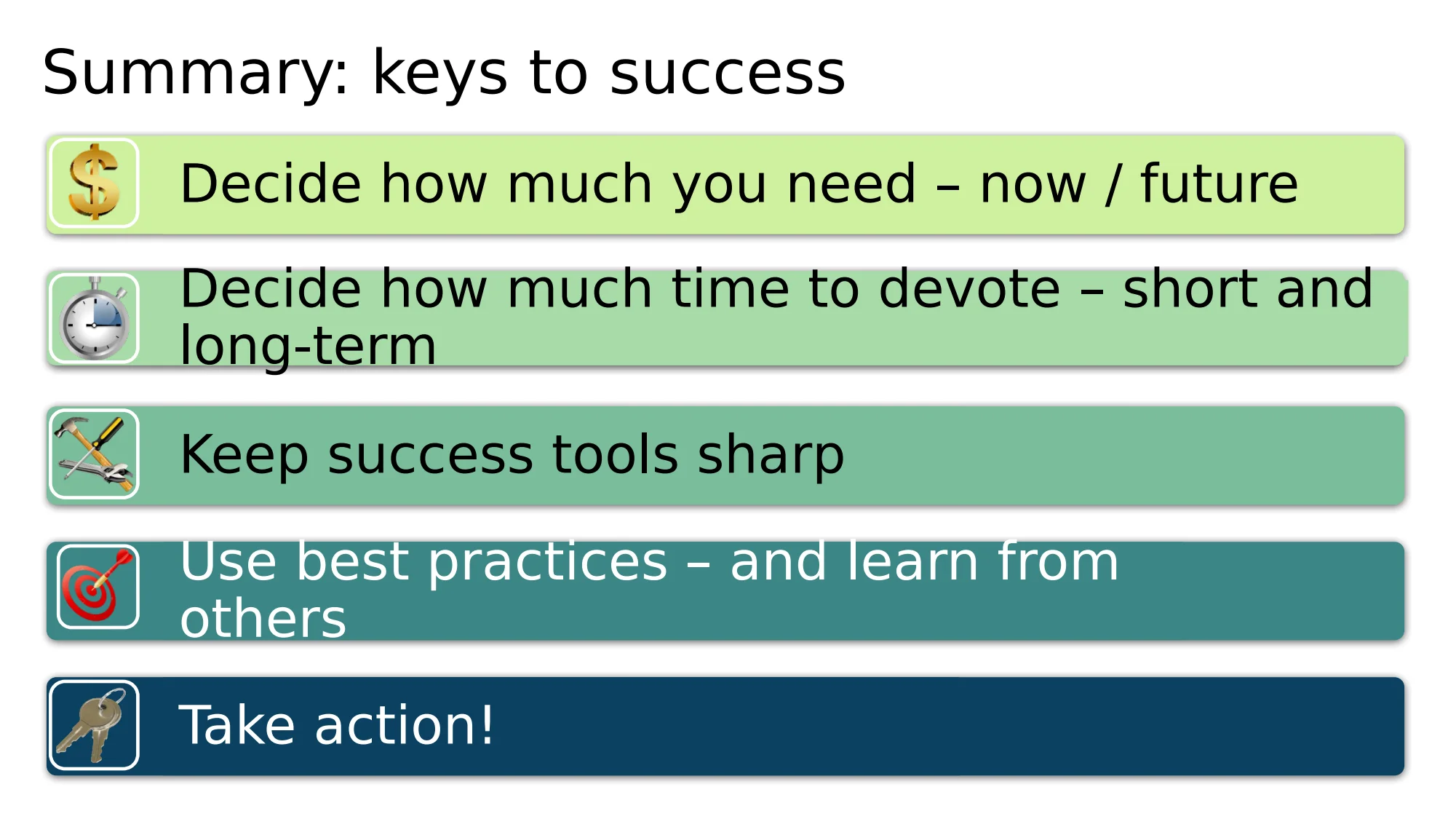
The key questions in options trading include: how much do you need, how much time do you have, where you are in your career, where you are in your life, what tools are needed for success, and what are the best practices and pitfalls.
03 15:19 Financial Planning, Capital Efficiency, and Real-World Applications
The speaker discusses savings, employment status, income sources, and financial needs, then introduces concepts like simplification, capital efficiency, and testing. They also cover the M3 program, optimal capital amounts, and real-world applications such as weekend trading, corporate experience, and home remodeling.
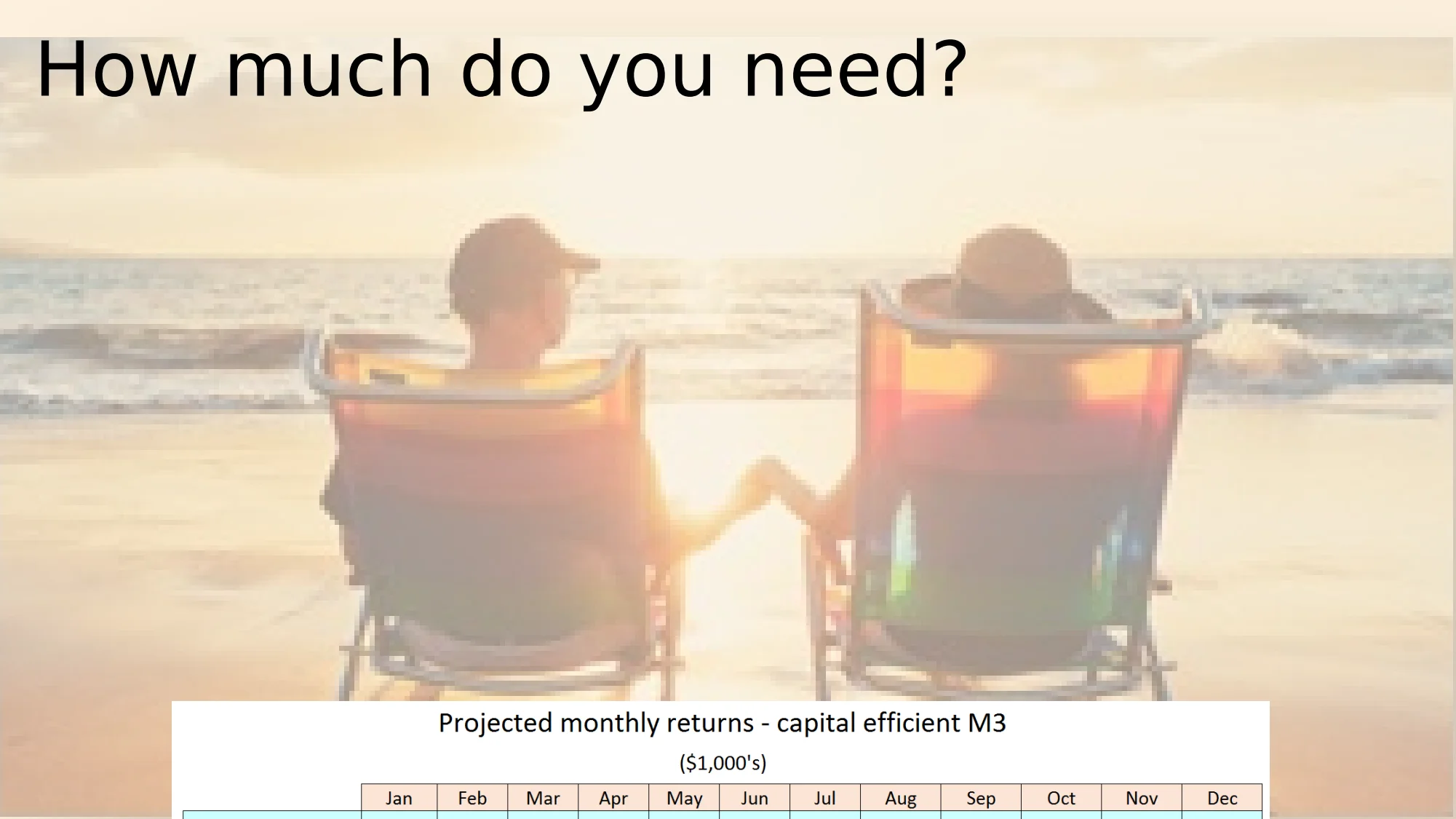

Use simple M3 capital efficient strategies to plan financial goals. Break down the numbers into manageable parts and consider different capital requirements based on desired monthly income.
Grow the trading account organically by not adding external cash infusions and only increasing contract size once the account value reaches a certain threshold.
04 27:15 Budgeting and Financial Discipline
The speaker discusses budgeting tools, financial planning, and the importance of financial discipline. They share how surplus funds from a yearly budget were used for a bathroom remodel and reflect on living within one's means.

Financial discipline involves setting a clear budget and only allocating funds for specific goals once that budget is met. This approach ensures that financial decisions are made with a clear understanding of available resources and priorities.
To allocate funds for a specific goal, such as a home remodel, set a clear budget and only consider using additional funds once that budget is met.
05 29:47 Time Management and Trading Strategies
The speaker emphasizes the importance of assessing time commitment for trading, differentiating between actual and desired time availability. They discuss how time influences trading strategies, the necessity of time and interest in technical analysis, and the psychological aspects of trading. They also warn about the risks of short-term success and the importance of long-term planning.




Evaluate your daily availability of time to spend on trading, as it determines the type of strategies you can adopt.
Engage in backtesting to develop a comfort level with strategies, which helps in building muscle memory and reducing the need for conscious decision-making.
06 42:04 Budgeting, Trading Styles, and Corporate World
The speaker discusses budgeting for the upcoming year and its relation to a trading plan, explores different trading styles and types of trades, and reflects on the corporate world and the importance of self-approval in the process.
Develop a comprehensive trading plan that outlines specific trades for each month, including projections and adjustments for the next year or several years. This plan should be treated as a formal document, akin to a corporate budget, and should be reviewed and updated periodically.
Traders should mentally simulate presenting their trading results to a board or authority figure to gain internal approval and motivation to continue or adjust their strategies.
07 45:00 Business Plans, Capital, and Trading Strategies
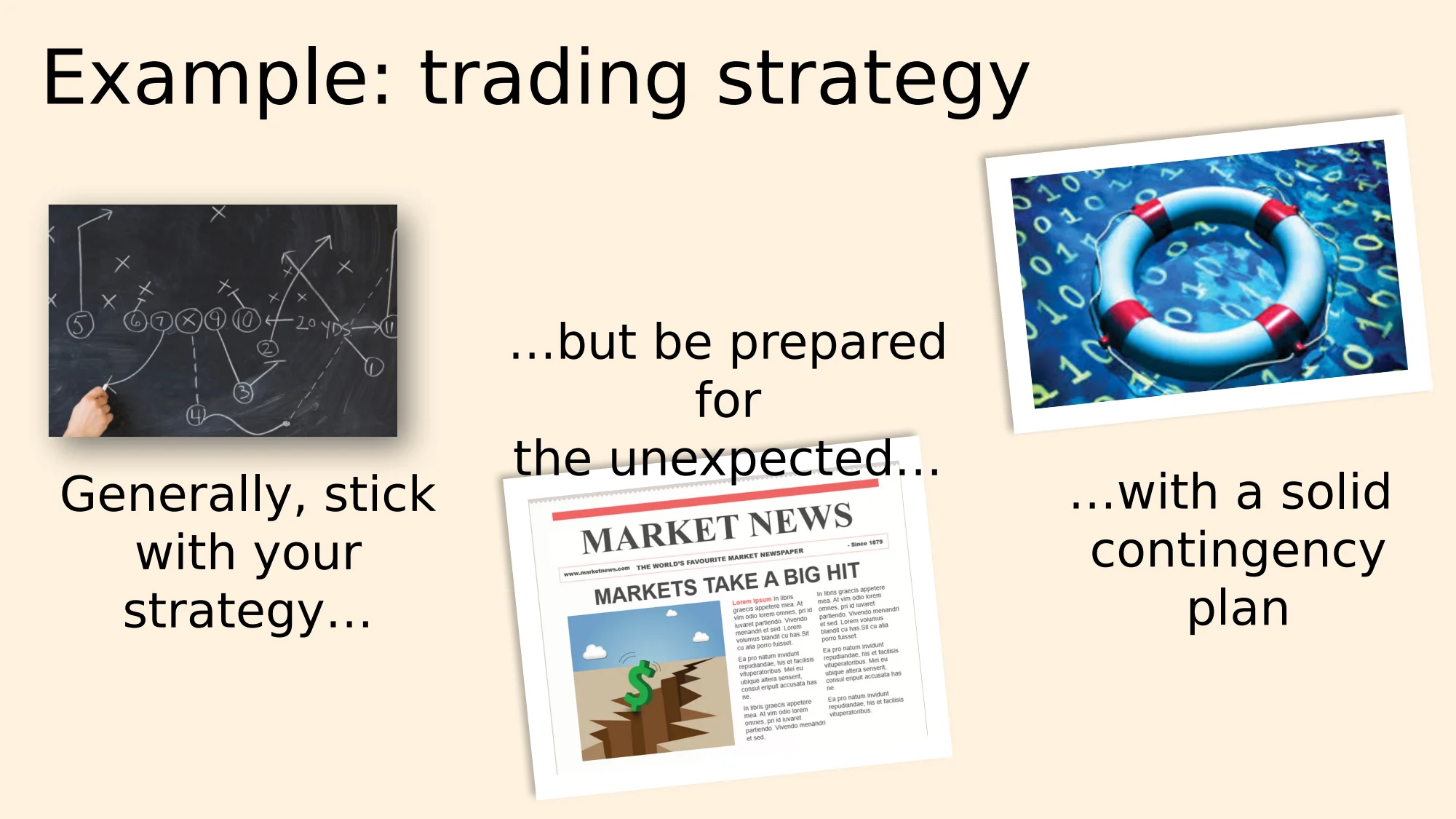
The speaker emphasizes the seriousness of business plans, their application to personal life, the importance of planning, and the challenges of starting with capital. They also discuss confidence building, contingency planning, and the balance between short-term and long-term financial needs.
Taking a picture of the trading screen to confirm strike positions is a practical method for traders to ensure they know the exact strike price of their positions.
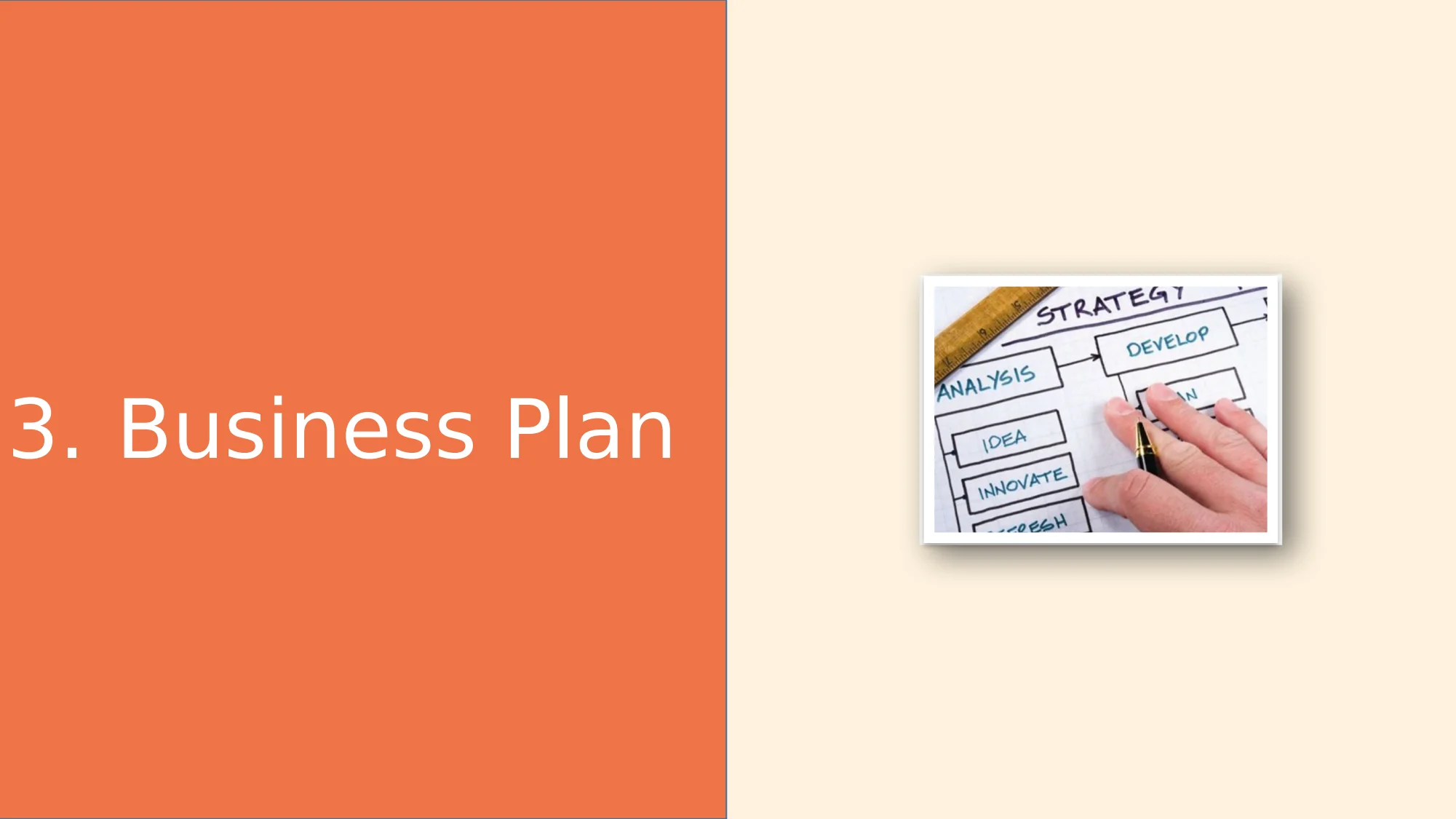
A well-structured business plan is essential for both personal and professional trading, as it ensures accountability, risk management, and long-term success.
08 57:06 Best Practices and Backup Systems
The speaker discusses best practices in trading, encourages debate and controversy, and emphasizes the importance of backup systems such as internet access, generators, and written instructions for handling open positions in emergencies.
When unable to monitor the screen, traders may use straddles, typically at-the-money or with a ratio, to maintain exposure while being away from the market.
Having backup systems, such as a backup internet connection, is critical for maintaining trading continuity and avoiding potential losses due to technical failures.
09 59:17 Humor, Risk Management, and Community Value
The conversation includes humorous remarks, discussions on risk management, account access, and the value of a community where people share knowledge and ideas. It also touches on security concerns in public places and the effectiveness of certain services.

The trader creates a ritual to immediately export trades after executing them, confirming the trade in Option View and storing the data in a folder. This includes using a flash drive for backups and macros to automate the process.
Traders should have a backup device or method to access their account in case of incapacitation or loss of access, such as a special password key or a secondary device.
10 1:08:53 Security, Awareness, and the Need for a Dedicated Space
The speaker discusses the importance of security in trading, the regret of neglecting it, and the challenges of maintaining focus due to home distractions. They emphasize the need for a dedicated workspace to enhance concentration and reduce interruptions.


Complacency is a key issue when trading at home, as distractions like family members, entertainment, or other activities can interfere with focus. The trader should structure their life to avoid waiting for market events and instead engage in other activities to maintain a balanced lifestyle.
Distractions at home, such as family members or entertainment, can significantly impact trading performance by reducing focus and increasing the likelihood of poor decision-making.
11 1:14:11 Trading Psychology, Control, and Strategy
The speaker explores the psychological aspects of trading, including social influences, emotional control, and the balance between control and compulsion. They also discuss trading strategies, risk management, and the importance of awareness in decision-making.


Emotional distractions, such as responding to text messages or fixating on short-term market movements, can disrupt focus and lead to impulsive trading decisions.
Traders should clearly define their risk exposure and maintain flexibility in their positions to adapt to market conditions.