Session overview
The video explains various trading strategies, including the M3U standard adjustment strategy, condorizing, broken wing butterflies, and roll-up strategies. It also discusses the importance of positioning in the tent, the use of out-of-the-money puts for volatility protection, delta correction, and the risks associated with futures and position rolling back. The content emphasizes the need for risk management and adapting strategies to different market conditions.
01 1:26 Trading Strategies and Risk Management
The video explains various trading strategies, including the M3U standard adjustment strategy, condorizing, broken wing butterflies, and roll-up strategies. It also discusses the importance of positioning in the tent, the use of out-of-the-money puts for volatility protection, delta correction, and the risks associated with futures and position rolling back. The content emphasizes the need for risk management and adapting strategies to different market conditions.
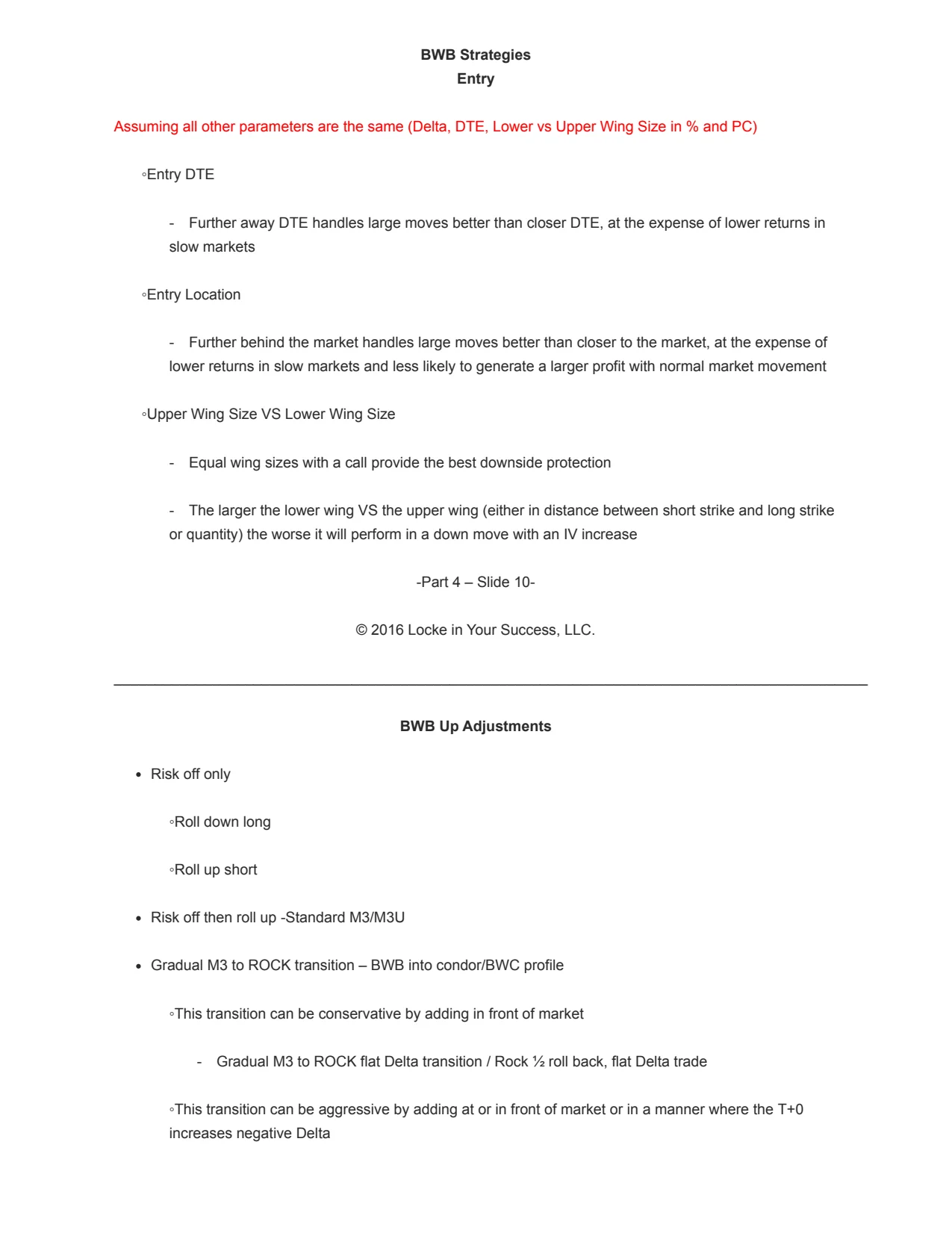
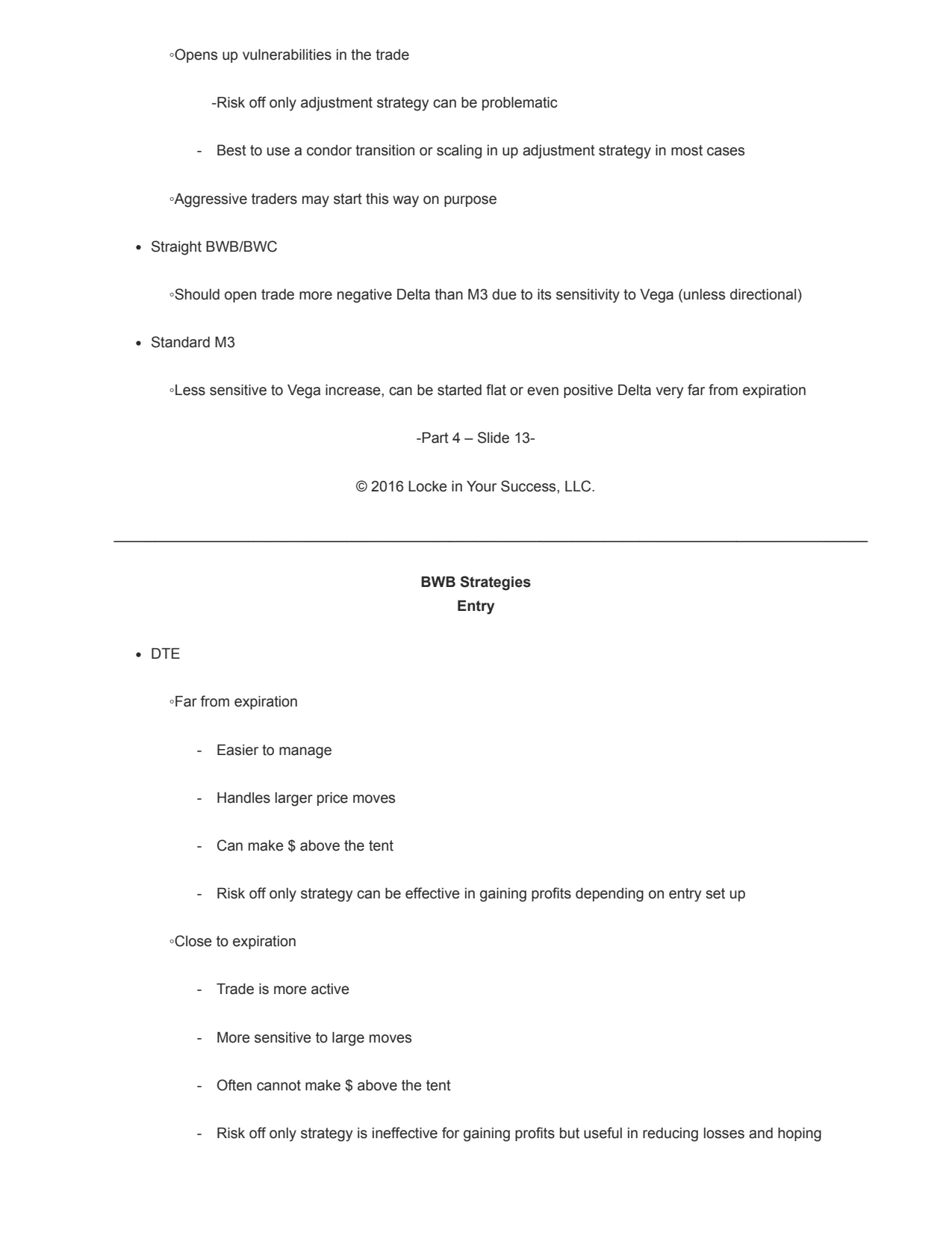
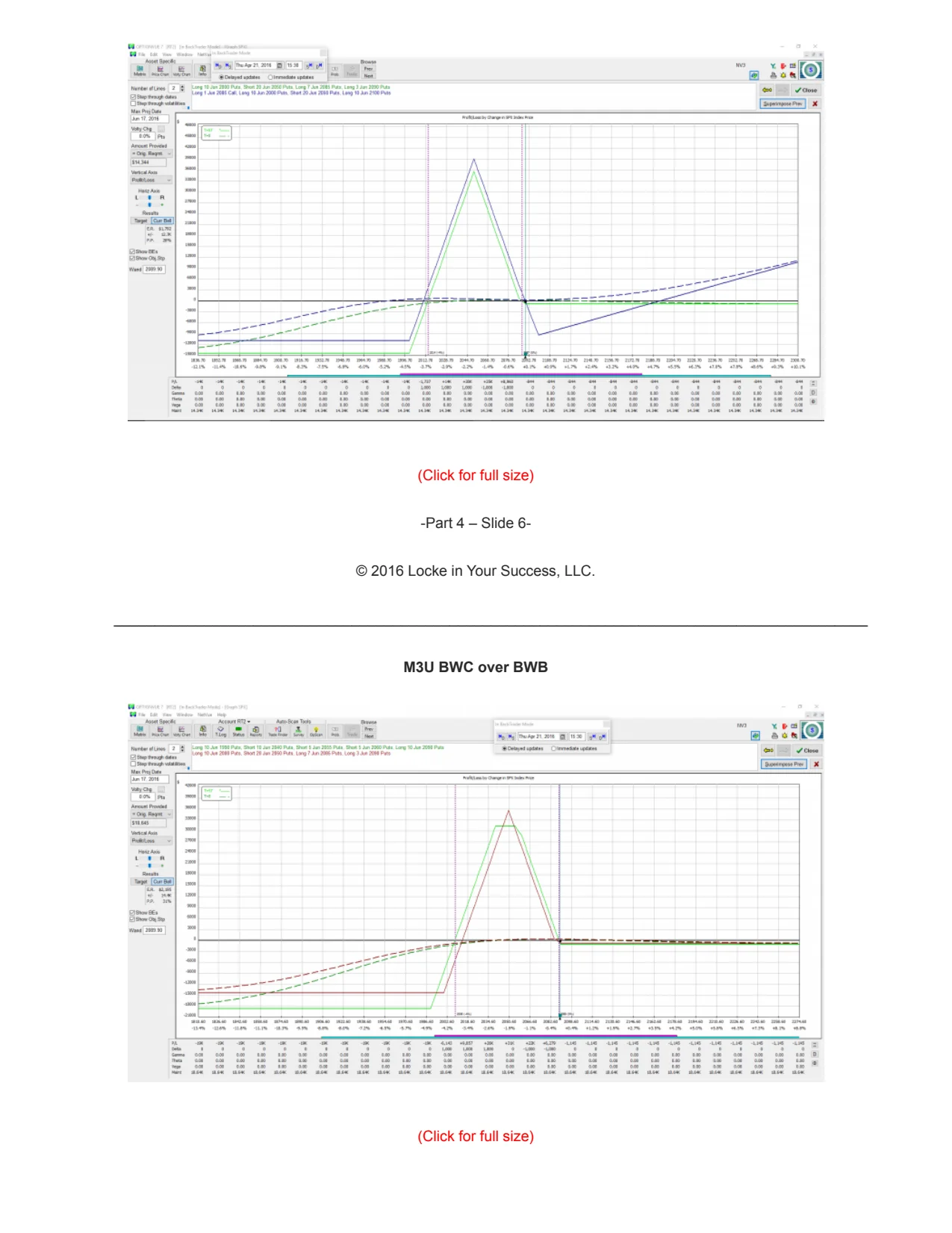
Condorizing is most effective at gaining profit in normal market conditions, but it is more vulnerable to large moves. It involves adding structures below the money (increasing negative delta), at the money (keeping delta relatively the same), or out of the money (increasing positive delta).
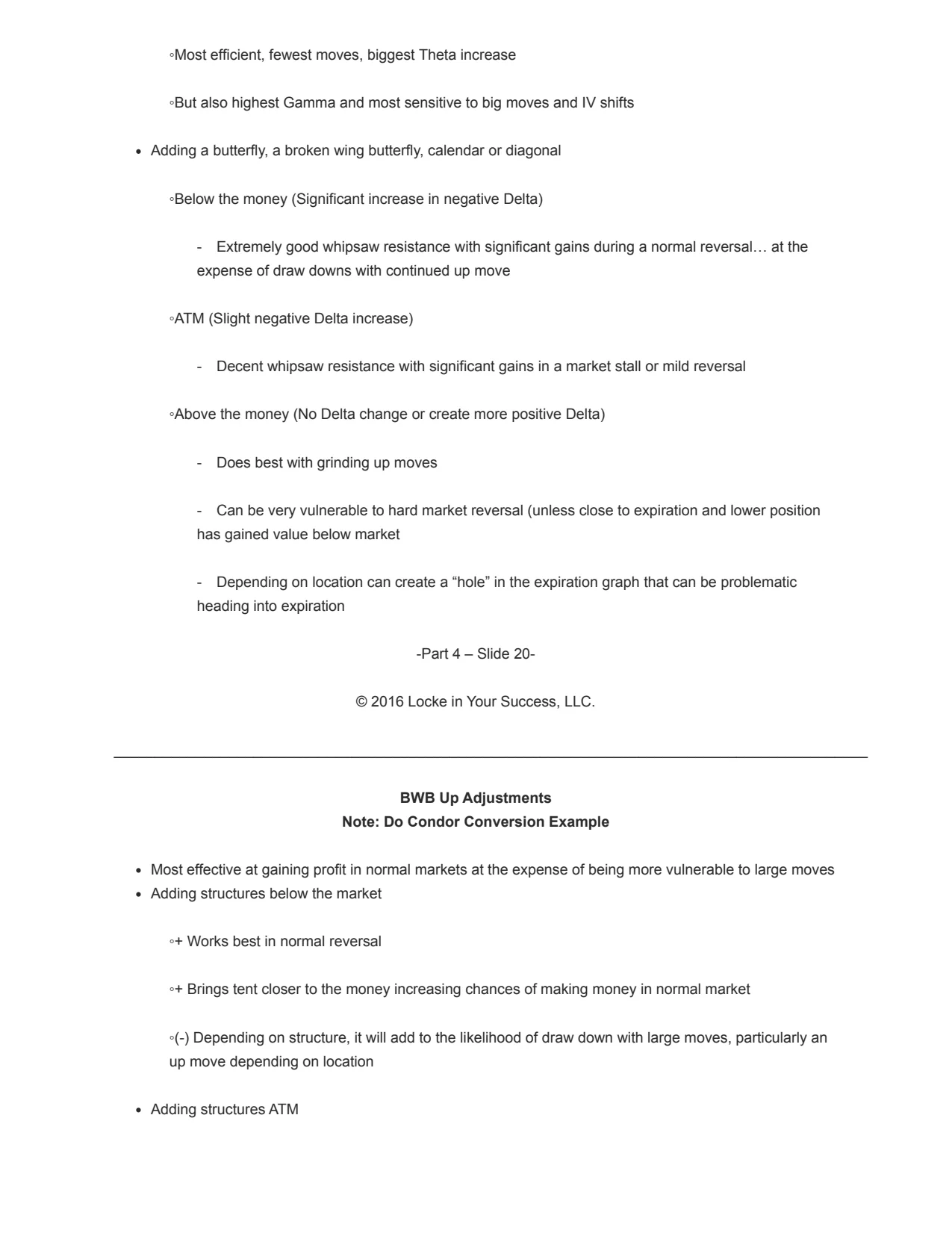
Price scaling in is effective when the market is moving around, allowing for scaling in at different levels. It creates diversity and is resilient against large price moves.
02 12:41 Market Behavior and Strategy Adaptation
The chapter discusses market behavior, rollback strategies, and the risks associated with market reversals. It emphasizes the importance of adapting strategies based on changing market conditions and the need for flexibility in trading approaches.
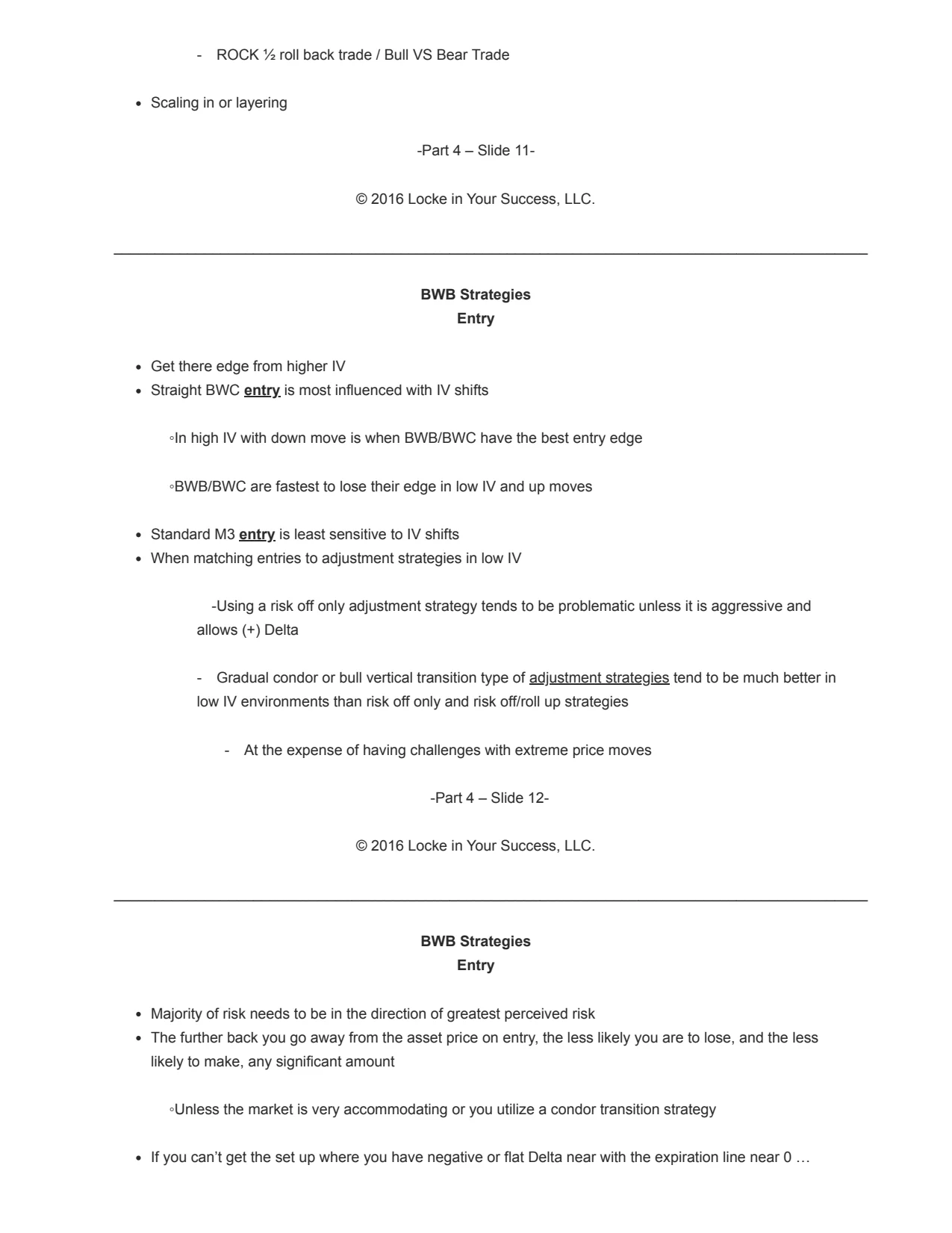
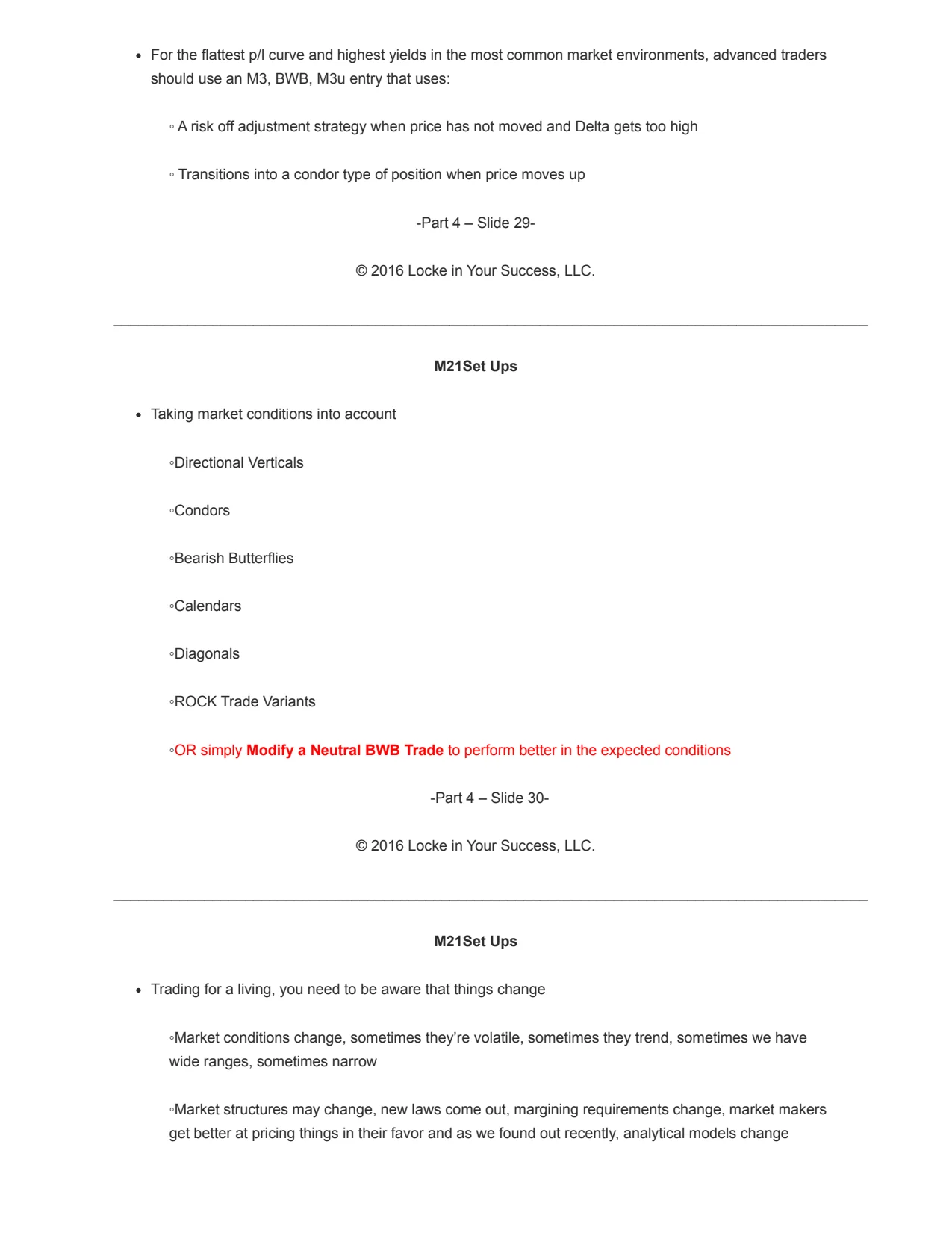

The rollback strategy involves bringing the position back (referred to as 'bringing the tent back') to mitigate potential losses if the market reverses. This is done in a manner that prevents further losses if the market moves against the trade, particularly when the market reverses and takes off to the upside.
Traders should adapt their strategies based on changing market conditions. This involves recognizing when market conditions shift and adjusting the strategy accordingly to maintain effectiveness.
03 18:10 Options Pricing Changes and Delta Adjustments
The chapter covers changes in options pricing models, the impact of market skews, and the importance of adjusting delta based on market feedback. It also discusses how traders can adapt their strategies to changing market conditions and how these adjustments affect trade performance.
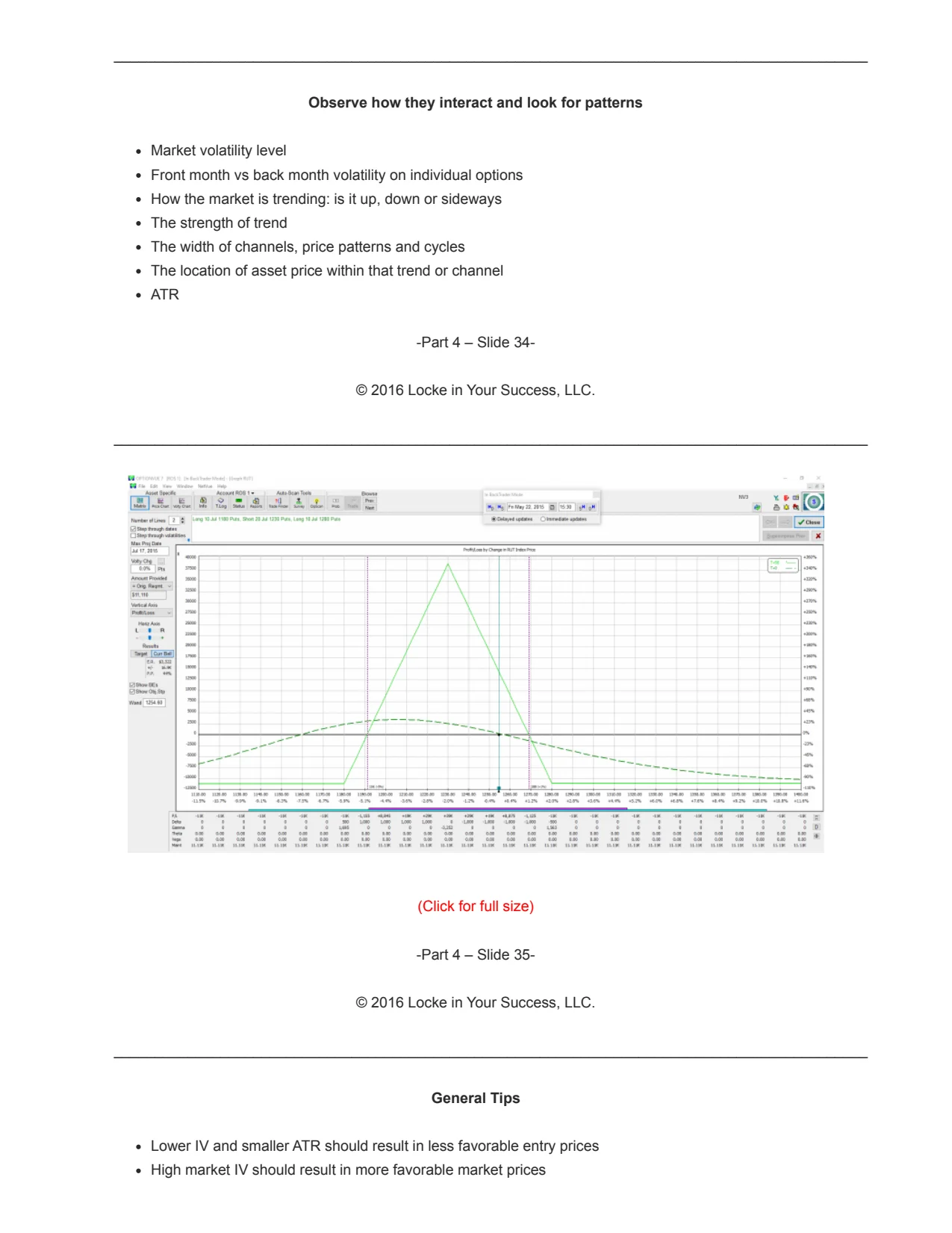
When a trade is losing to the upside, increase delta to a more positive value to better capture market movements. If the trade is losing to the downside, decrease delta to a more negative value. This adjustment should be made based on observed market behavior and feedback from the trade's performance.
Before entering a trade, analyze market volatility and trend strength. Compare current volatility levels (front month vs. back month) and assess the strength of the market trend (up, down, or sideways). Use this information to set a baseline for the trade and adjust the position accordingly.
04 24:29 Market Analysis and Trading Strategies
This chapter covers market conditions, pricing based on ATR and support/resistance levels, butterfly and T plus zero line profiles, market perception and risk, commodity butterfly strategies, and the importance of understanding market behavior and volatility. It also includes insights on identifying key price levels, range analysis, and the impact of implied volatility on entry prices.
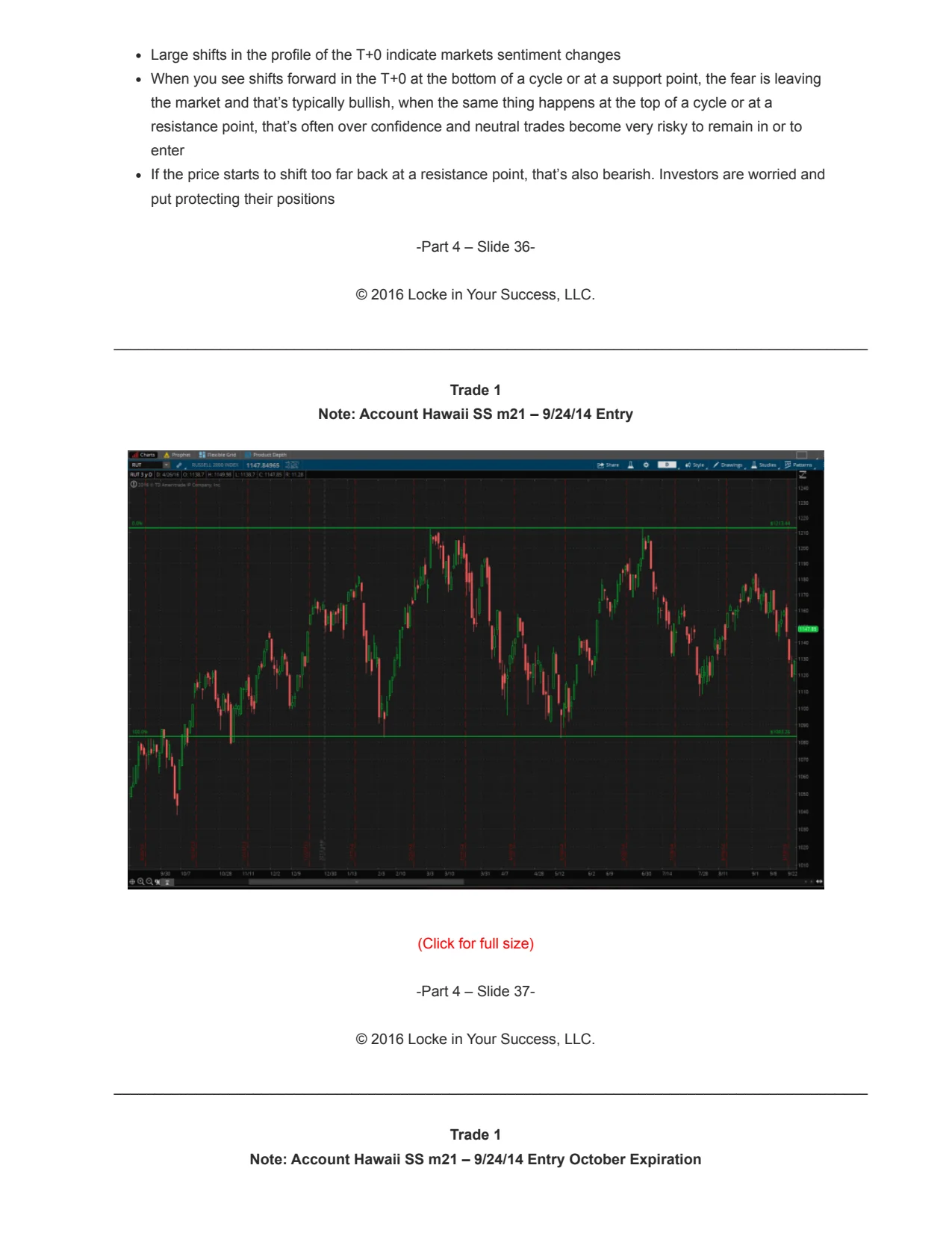
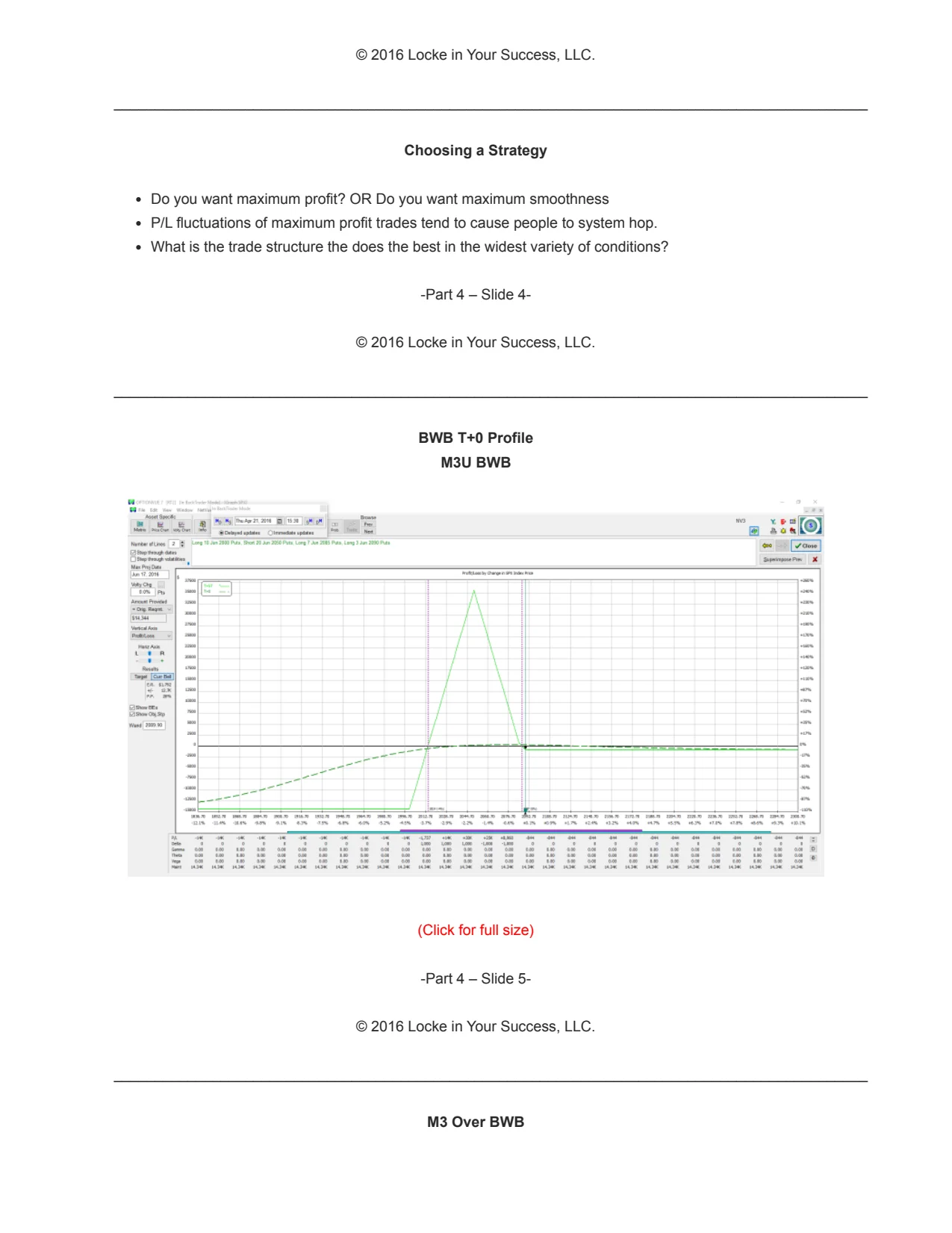
Evaluate the butterfly position by considering market conditions such as volatility (ATR), support/resistance levels, and perceived risk direction. If the market is sideways with low ATR, price the butterfly accordingly, typically 20 points below the short strikes. If the market is volatile with high ATR, adjust the pricing based on the perceived risk direction (downside or upside).
Observe shifts in the T plus zero line to identify changes in market sentiment. A shift forward at the bottom of a cycle or at a support level indicates fear leaving the market and bullish sentiment. A shift back at the top of a trend indicates overconfidence and potential market danger.
Determine key price levels by identifying resistance and support points. Calculate the range by subtracting the support level from the resistance level.
05 32:59 Trade Execution and Risk Management
This chapter focuses on identifying key price levels and range, estimating potential trade outcomes, understanding price pattern targets, choosing expiration distance, and adjustment strategies for large moves. It also discusses condor and scaling in strategies for managing risk and adjusting positions based on market behavior.
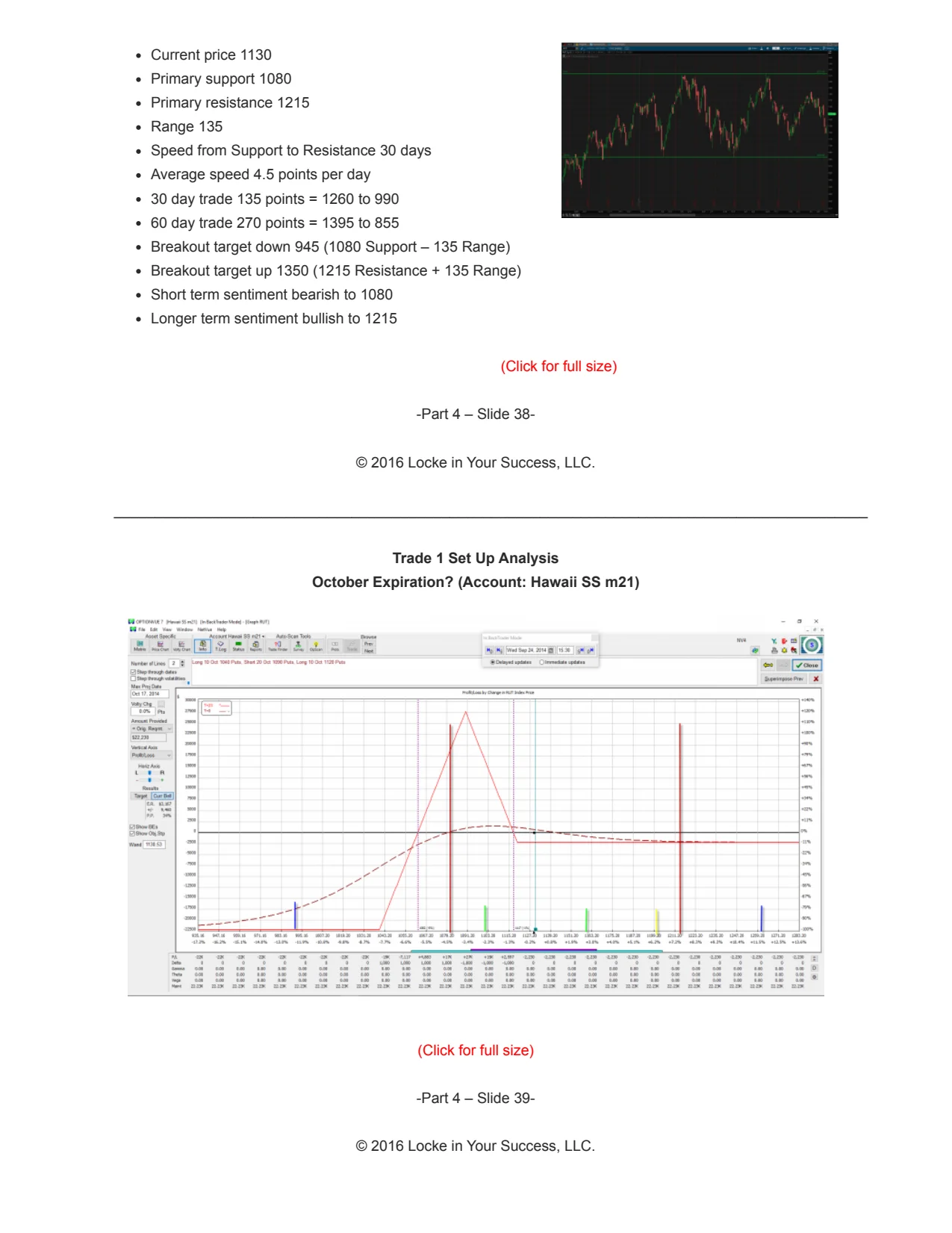
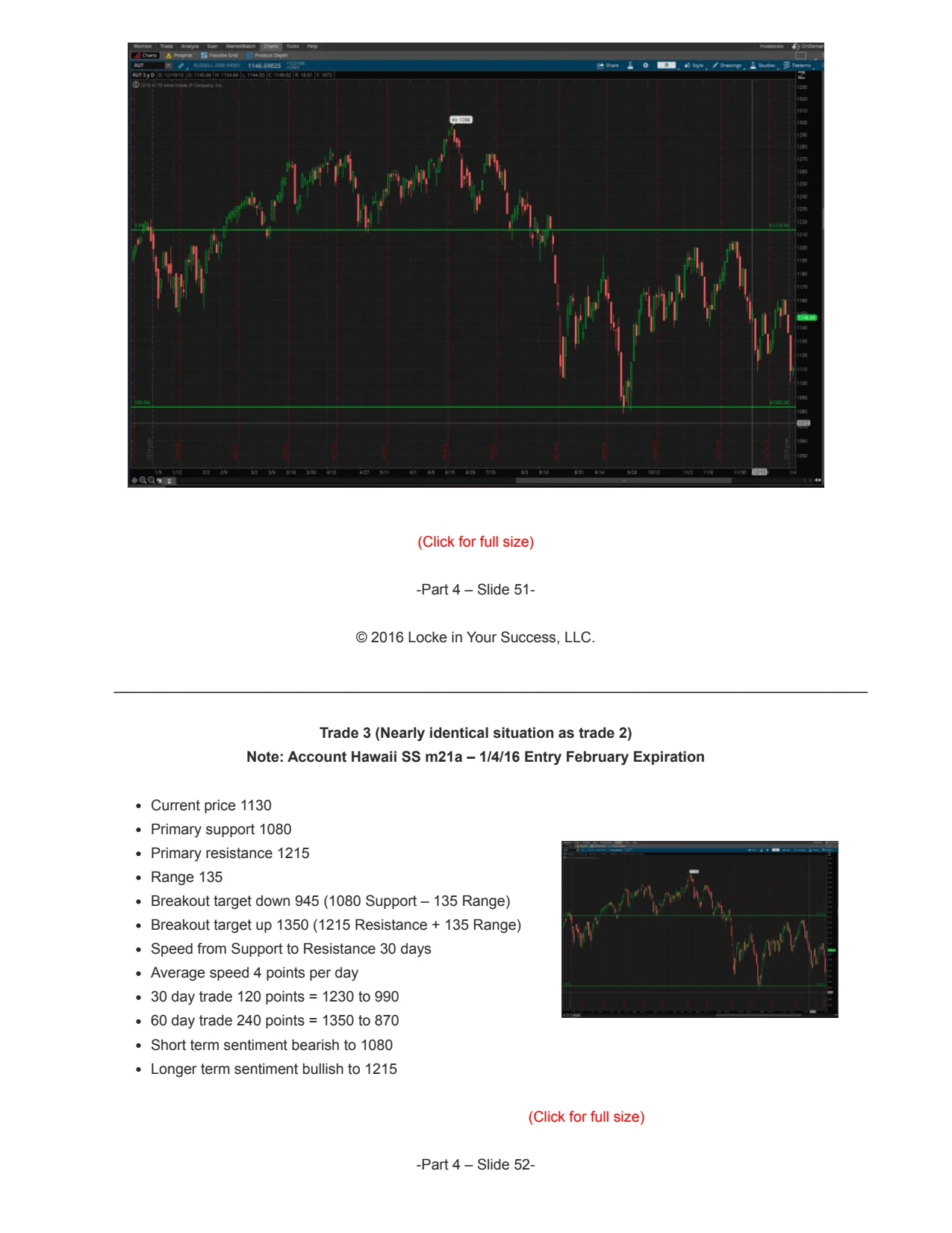
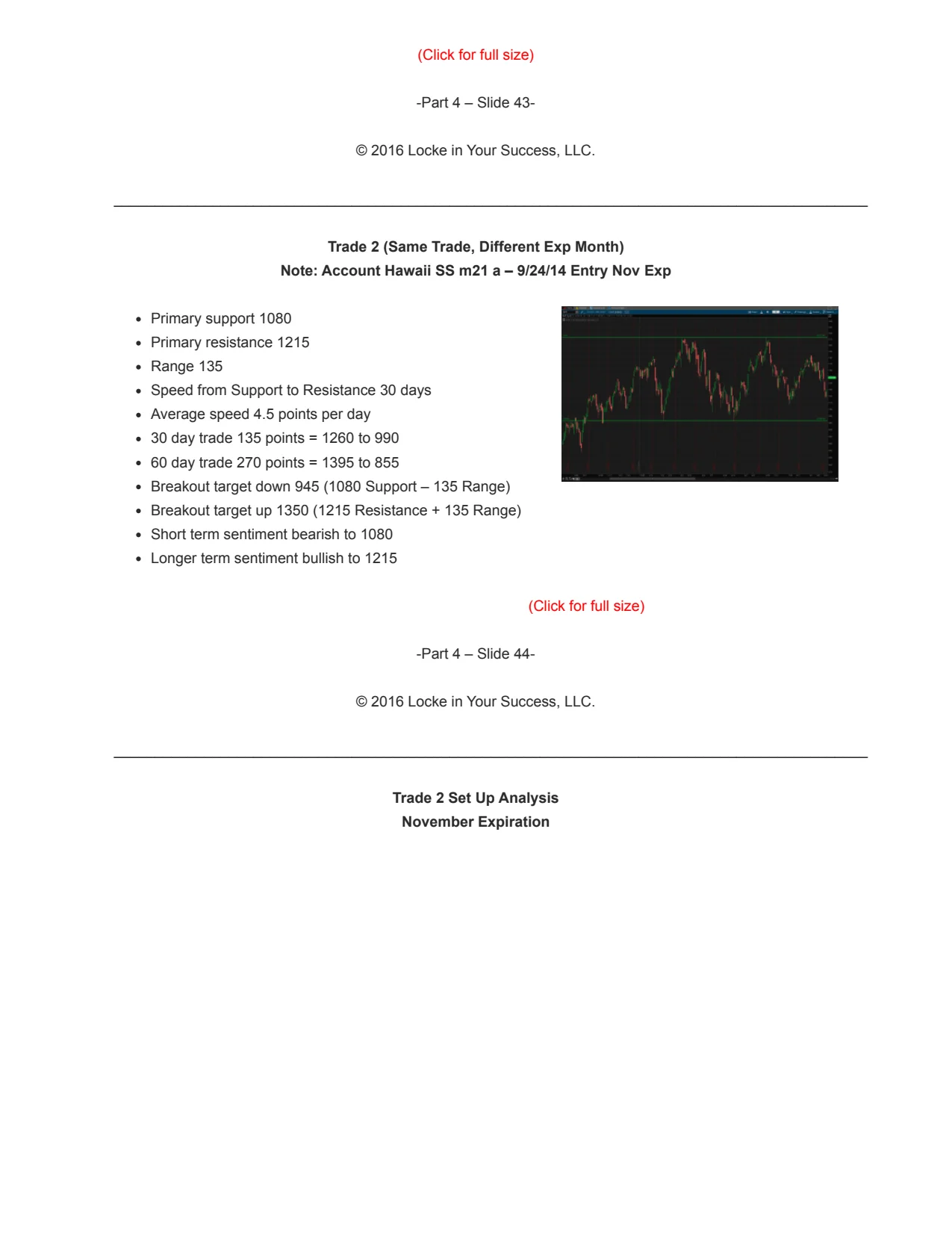
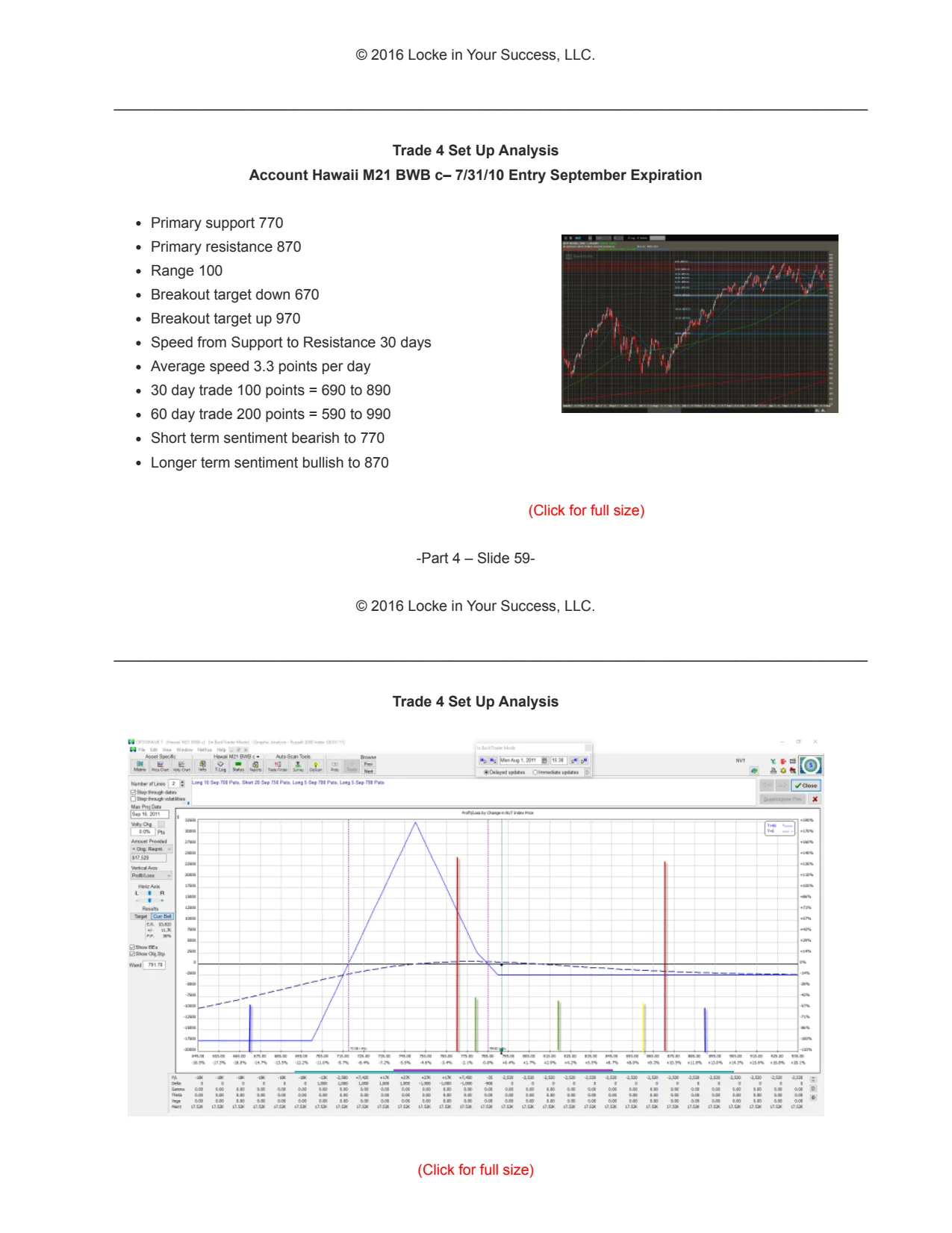
Determine key price levels by identifying resistance and support points. Calculate the range by subtracting the support level from the resistance level.
Estimate potential trade outcomes by calculating the average daily movement and projecting it over the trade duration.
06 37:30 Bearish Outlook and Put Buying Strategy
The trader discusses a bearish outlook, positioning with negative delta, and planning to buy puts before reaching a support level to maintain a flat delta. They also mention the importance of volatility and delta management if the support level breaks.
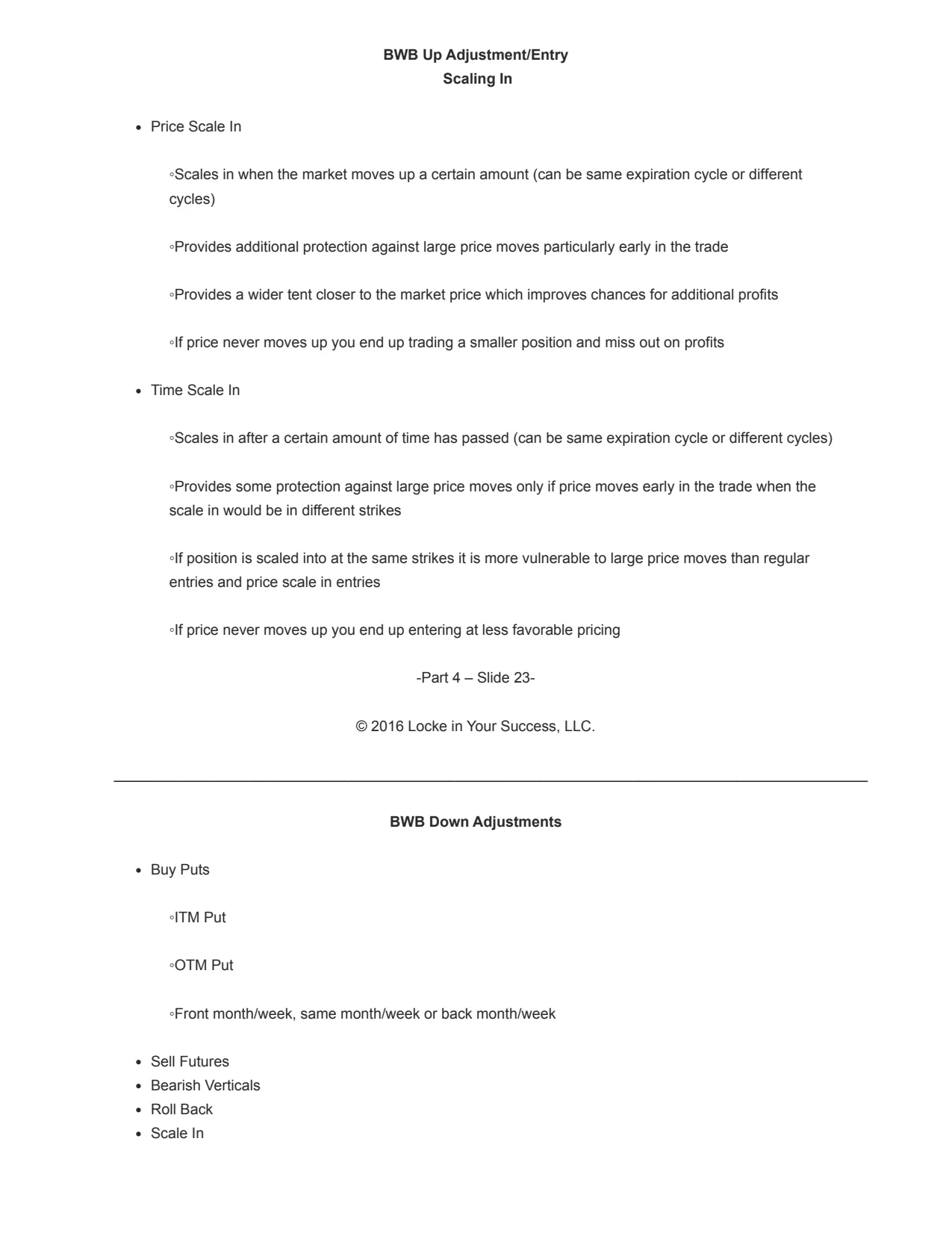
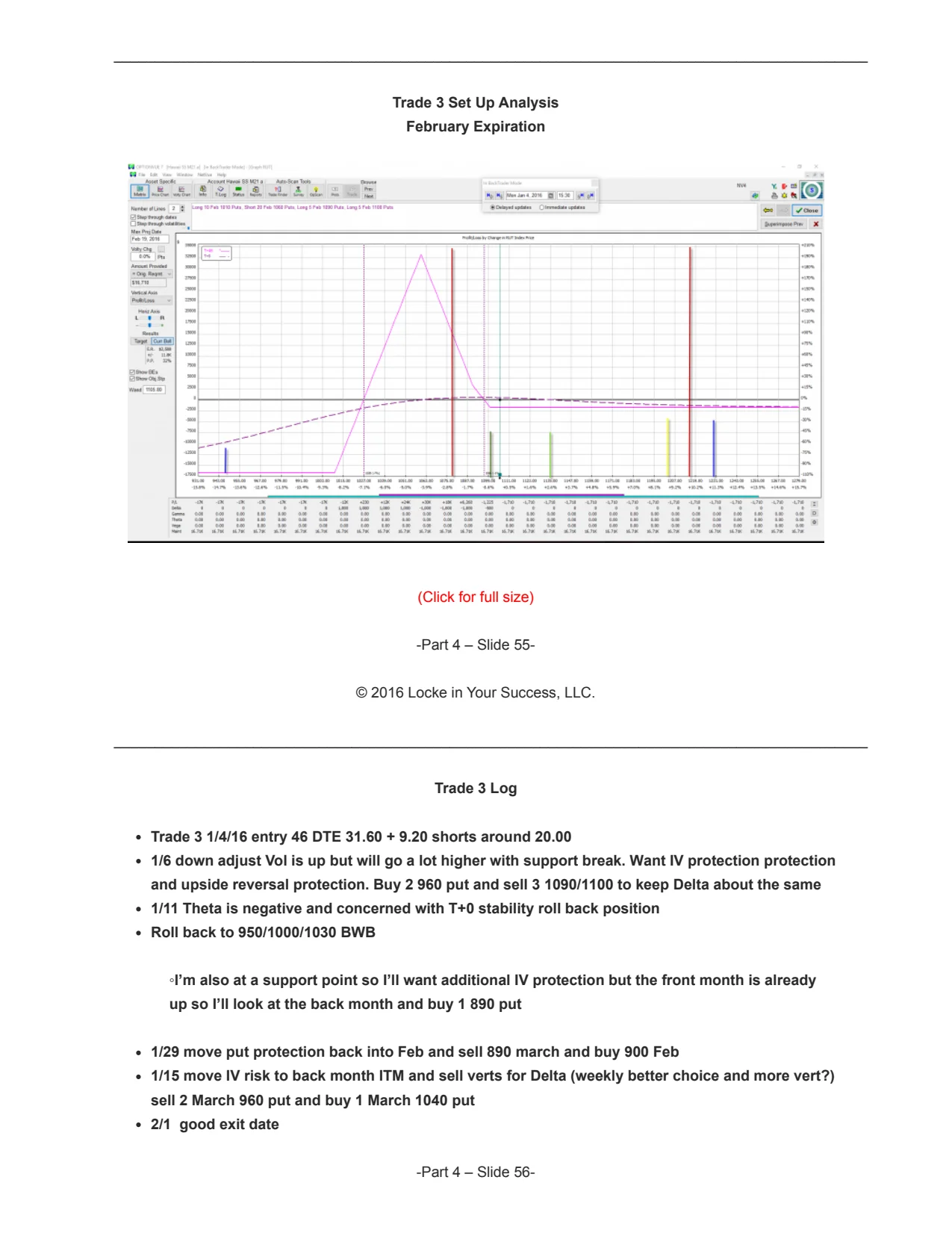
If a trader is initially bearish, they should position themselves with a slight negative delta to allow for a move to a support level without significant position adjustments. The trader should avoid buying puts at the support level itself and instead purchase them before the price reaches that level, ensuring the puts are out of the money and the position remains relatively flat delta.
Traders should avoid buying puts at support levels themselves, as this can lead to overexposure and reduce flexibility in managing the position.
07 39:26 Volatility Protection and Risk Management
The trader explains how buying puts provides volatility and delta protection, discusses adjustments for market movement, and outlines strategies for managing Vega, delta, and risk. They also mention hedging, exit strategies, and the importance of considering multiple scenarios in a full plan.
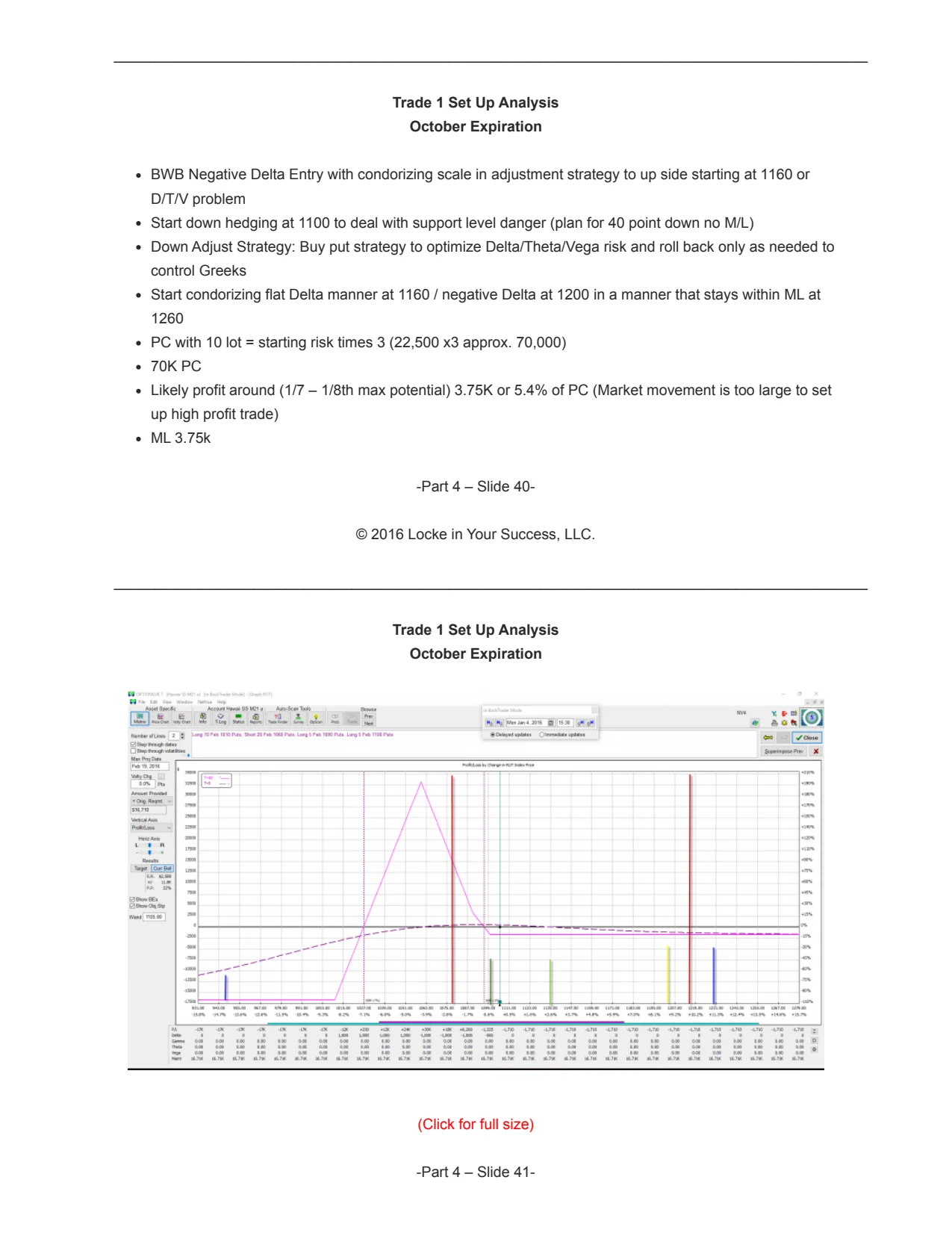
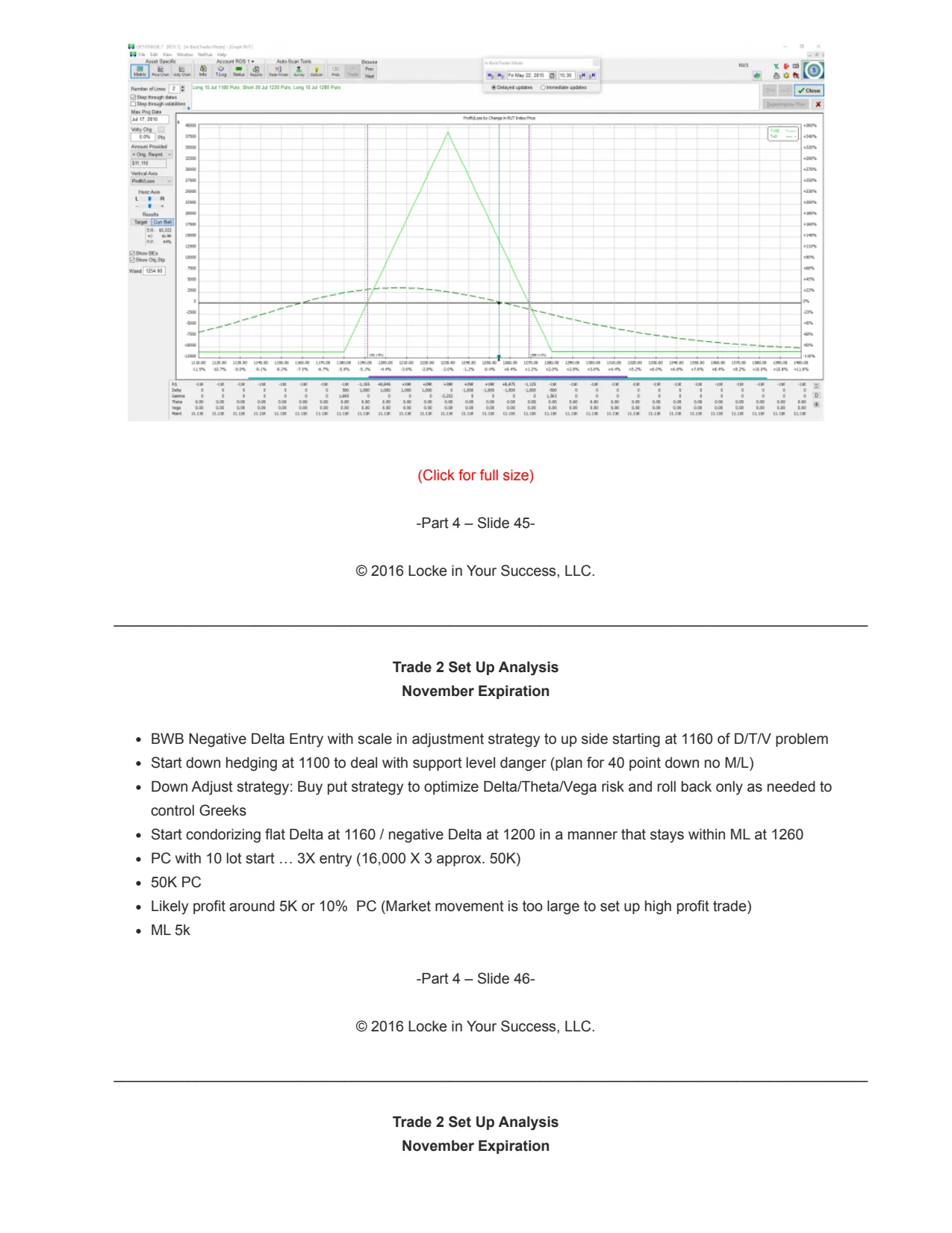
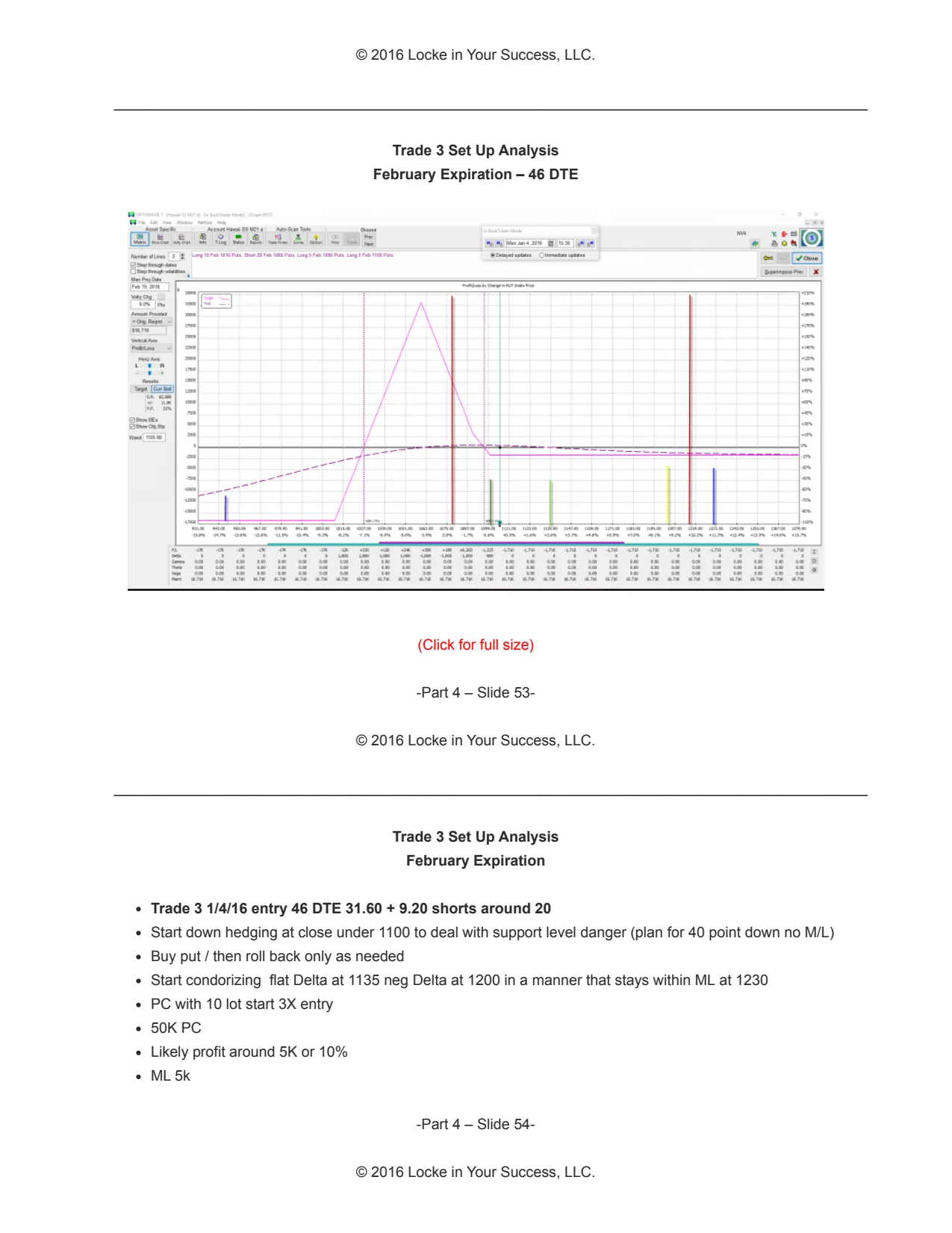

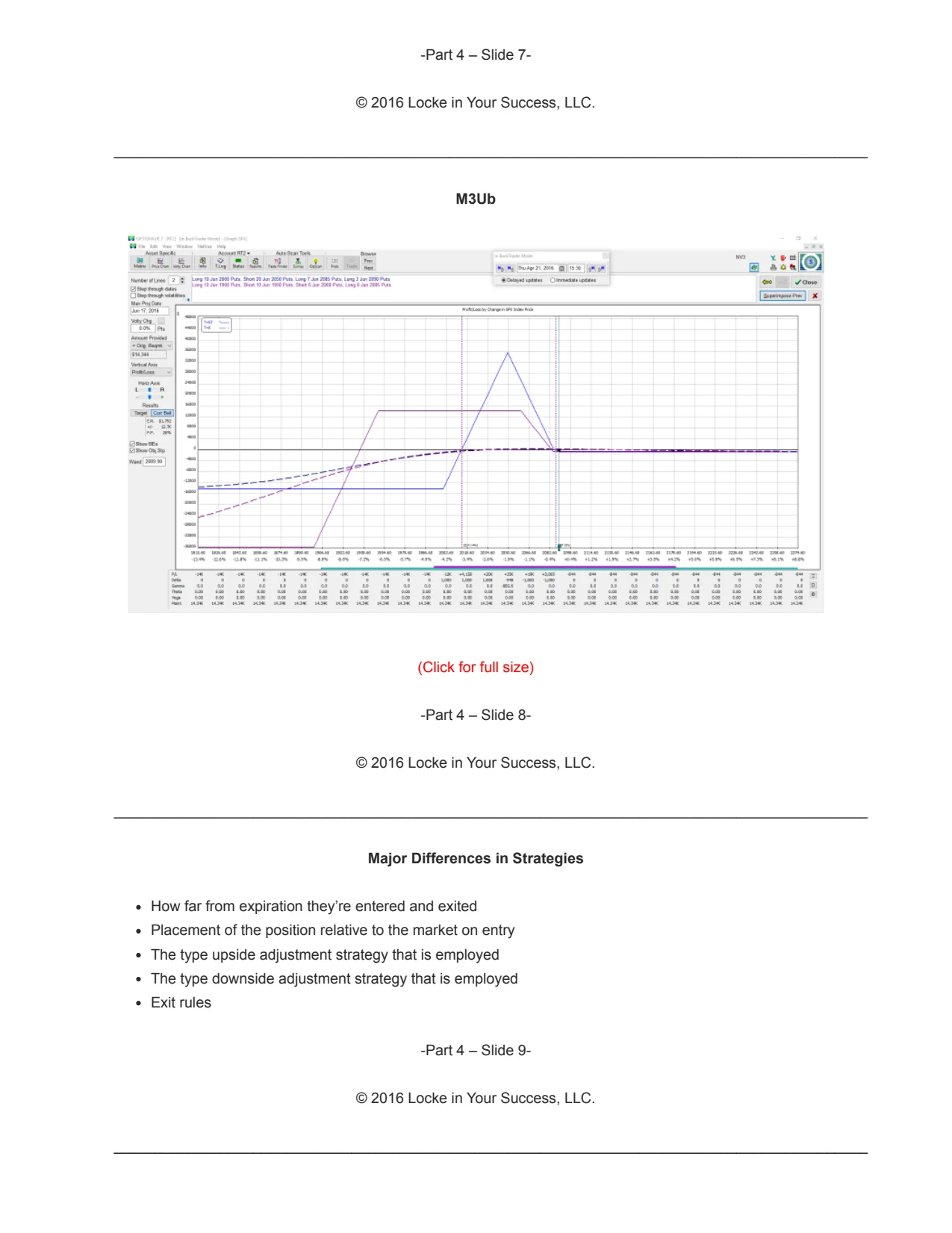
To protect against increased volatility, the trader buys out-of-the-money puts. This action provides volatility protection without significantly altering the delta, and it flattens the T plus zero line if a support level breaks.
If the market moves down and remains there, the trader makes adjustments to control Vega and maintain stability of the T plus zero line to the downside. For upward movement, a condorization strategy is used to widen the position while maintaining a flat delta.
08 51:09 Put Protection and Market Movement
The trader discusses strategies for put protection, trading decisions, and market movement. They mention buying put protection to stay in the trade, rolling back if needed, and buying out-of-the-money puts as the market moves up. The trader also references support levels and profit targets.
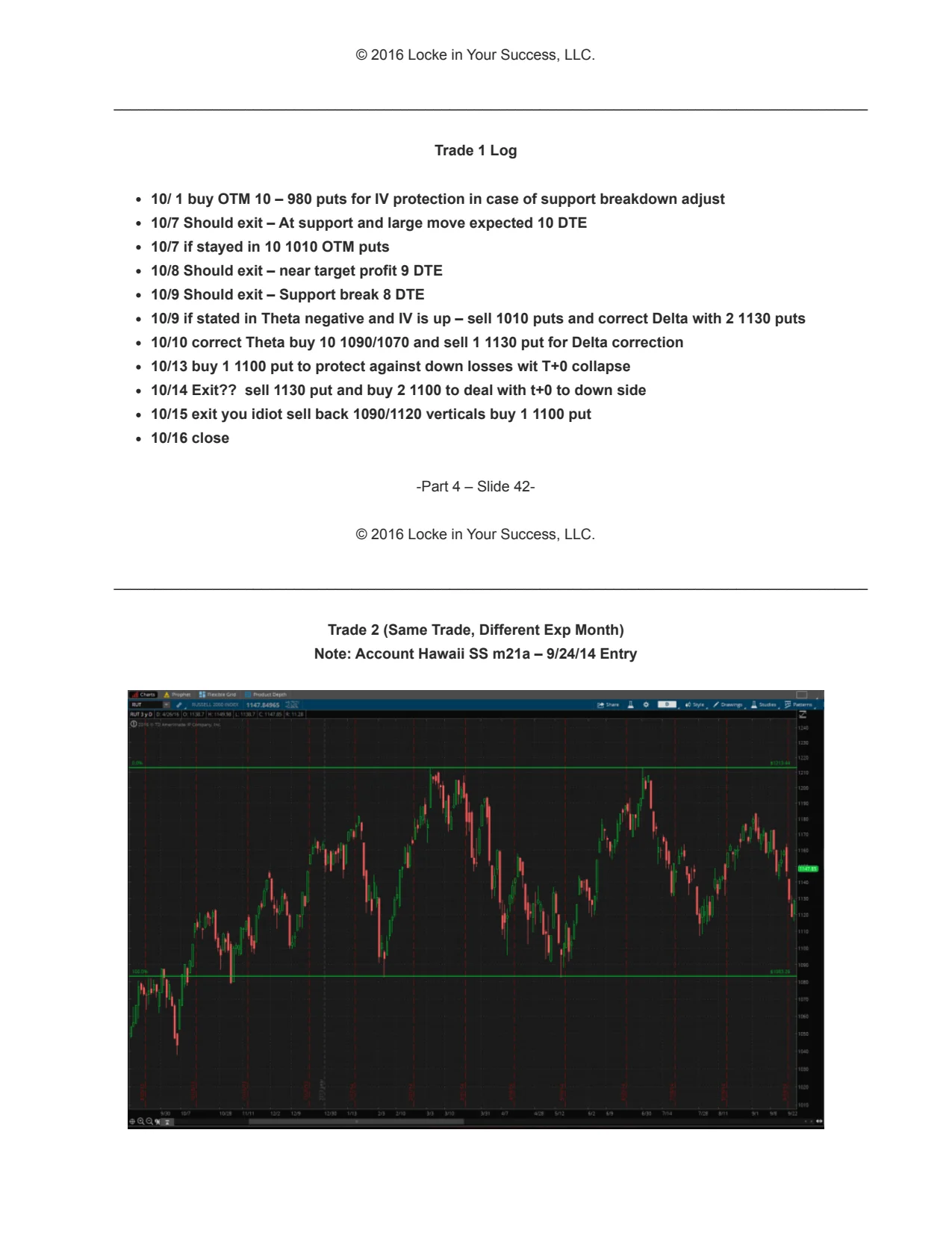
If the market collapses, buy puts at the support level to hedge against further declines. If the support level breaks, consider adjusting the position or exiting based on the proximity to expiration and market movement.
Traders often feel uncomfortable near expiration, especially when the market is volatile and the position is in a 'middle of the tent' scenario.
09 53:51 Position Analysis and Risk Management
The trader discusses their current position, delta correction, volatility correction, and risk management strategies. They mention the impact of vega and theta on their position, the need for stability, and strategies to protect against upside and downside risks. The trader also reflects on market projections, actual performance, and the importance of volatility protection.
To correct delta when close to expiration, purchase in-the-money puts to stabilize the T plus zero line and reduce delta exposure. This provides real delta correction by locking in delta adjustments regardless of market movement.
Use vertical spreads to increase theta and negative vega, thereby stabilizing the position and reducing volatility risk. This is particularly effective when close to expiration.
10 1:03:37 Market Scenarios, Risk Exposure, and Risk Assessment
The speaker discusses market scenarios and risk exposure, including volatility, and evaluates potential outcomes of a trade based on market movement and proximity to expiration.
If the market moves down, the trader should stabilize Vega by selling at-the-money options and creating a butterfly spread to achieve positive theta and negative Vega, which can help capitalize on potential market stalls or pops in the T plus zero line.
Traders should not need to monitor their positions frequently unless there is a significant upward move, as the market is relatively flat and the risk of a large downward move is manageable.
11 1:06:27 Trade Management, Adjustment, and Position Value
The speaker discusses trade adjustments, profit management, and the importance of understanding intrinsic and extrinsic value in options. They also address market mispricing and the possibility of rolling options.
When the market moves, adjust the position by taking off upside risk and repositioning into a more stable position with positive theta and vega.
Close out a position that has no real purpose or risk, and add a put with no time value to protect against downside.