Session overview
The video discusses various trading strategies, including time value in out-of-the-money options, risk of price movement, exit strategies, adjustment points, support levels, and protection strategies. It also covers market behavior, trade validity, and the importance of managing risk as trades progress toward expiration.
01 1:14 Trading Strategies and Risk Management
The video discusses various trading strategies, including time value in out-of-the-money options, risk of price movement, exit strategies, adjustment points, support levels, and protection strategies. It also covers market behavior, trade validity, and the importance of managing risk as trades progress toward expiration.
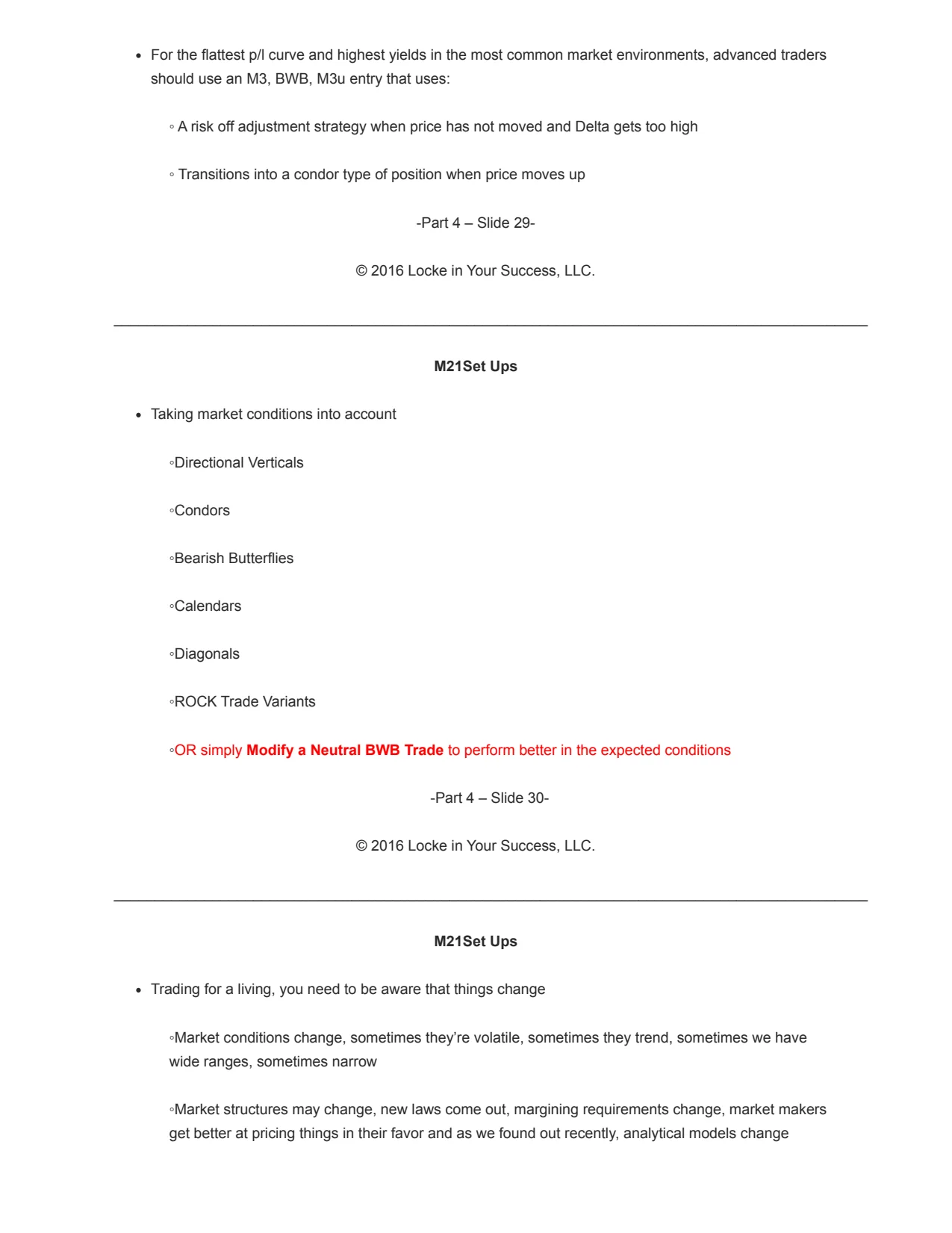

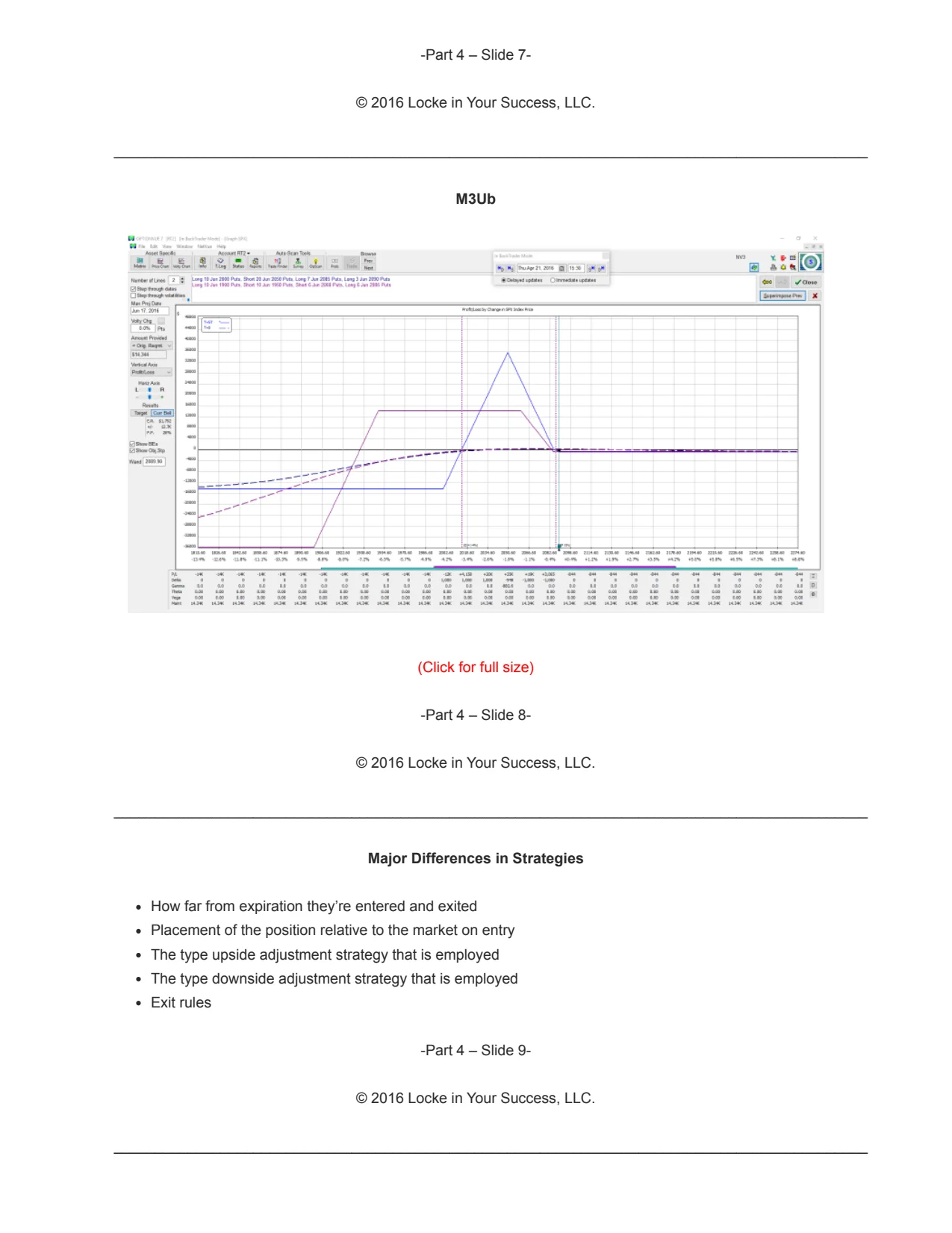
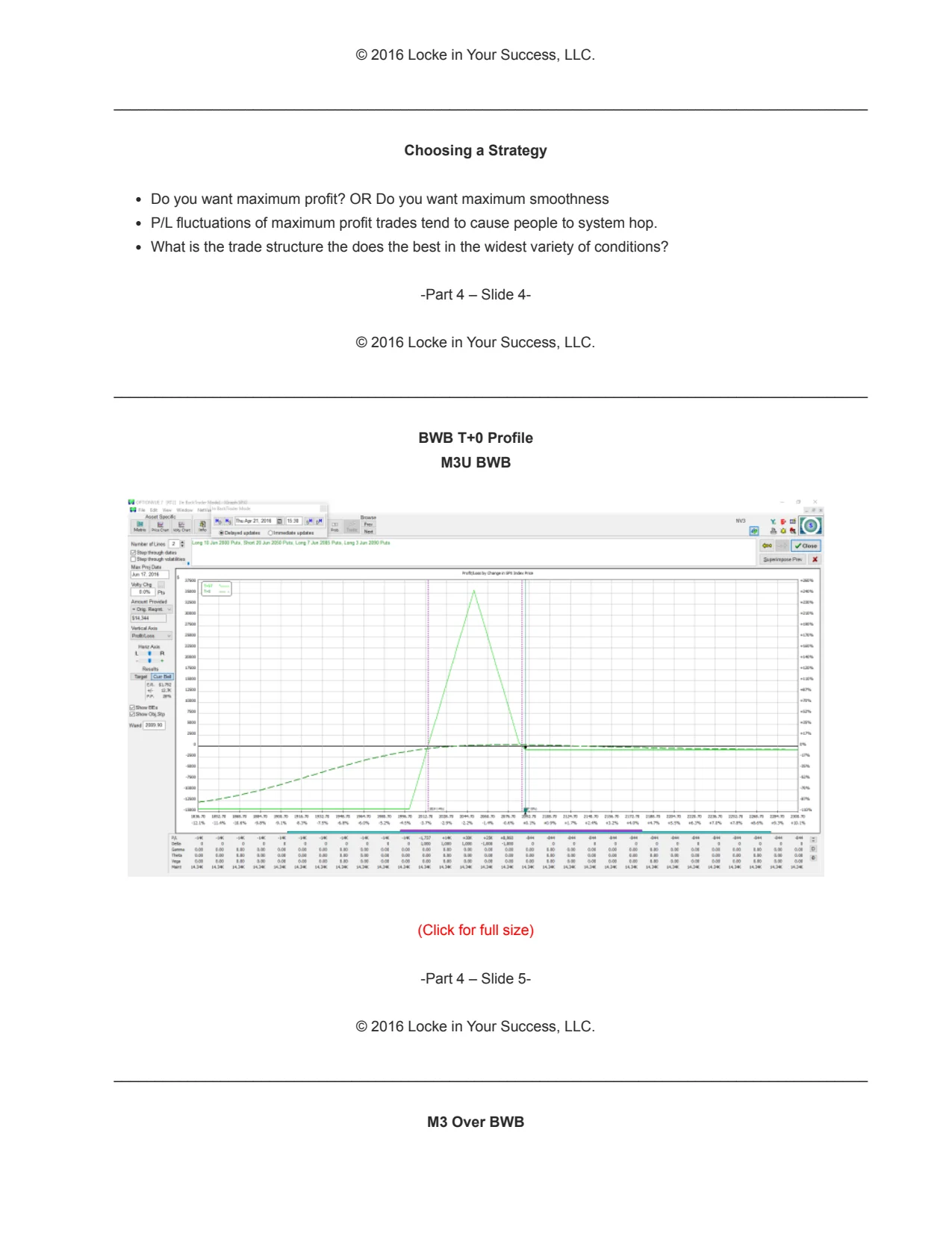

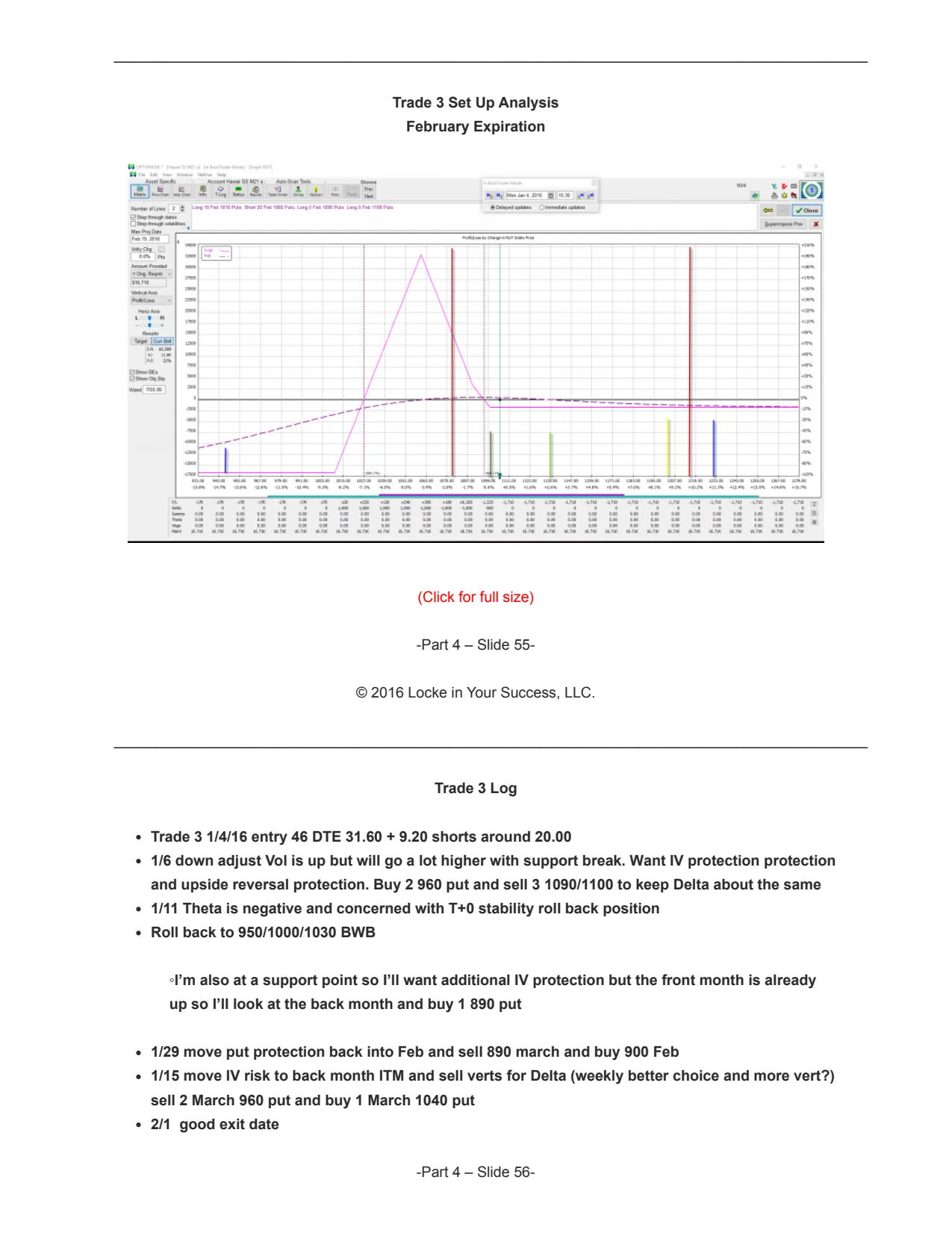
When trading further from expiration, adjust your strategy to account for increased potential price movement. This involves modifying exit strategies and planning for additional price movement in the asset. If you're trading closer to expiration, your exit strategy will differ due to reduced potential price movement.
Adjust your position based on market behavior and stability. If the market shows signs of being range-bound or hanging around a support level, consider stabilizing your T plus zero line by rolling back out-of-the-money options to in-the-money options. This helps maintain stability and reduces theta decay.
02 12:23 Tradeoff Between Time and Profit
The speaker discusses the tradeoff between time in the market and profit, emphasizing that staying in a trade longer may result in lower profits. They also mention the importance of adjusting trade duration and managing risk effectively.
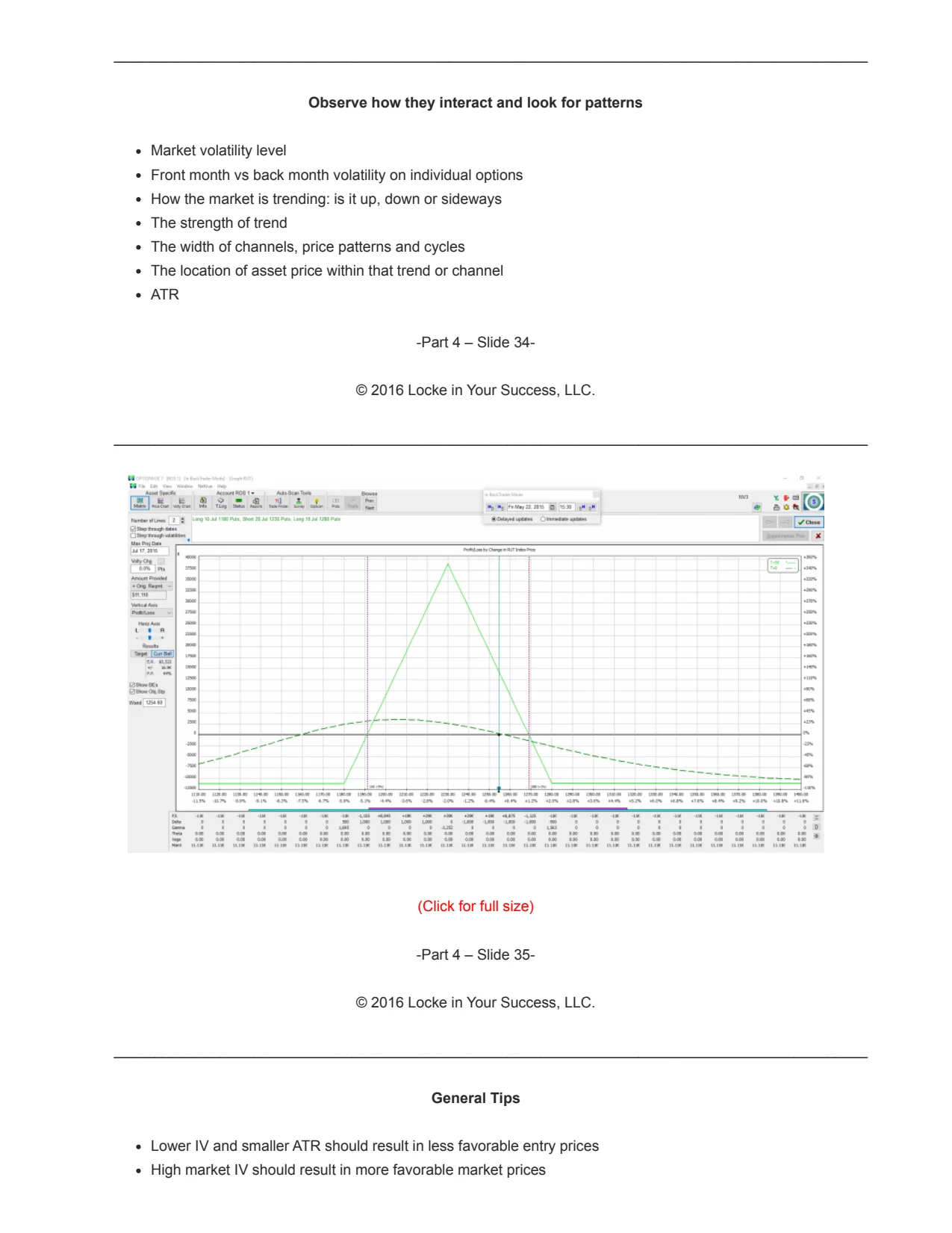
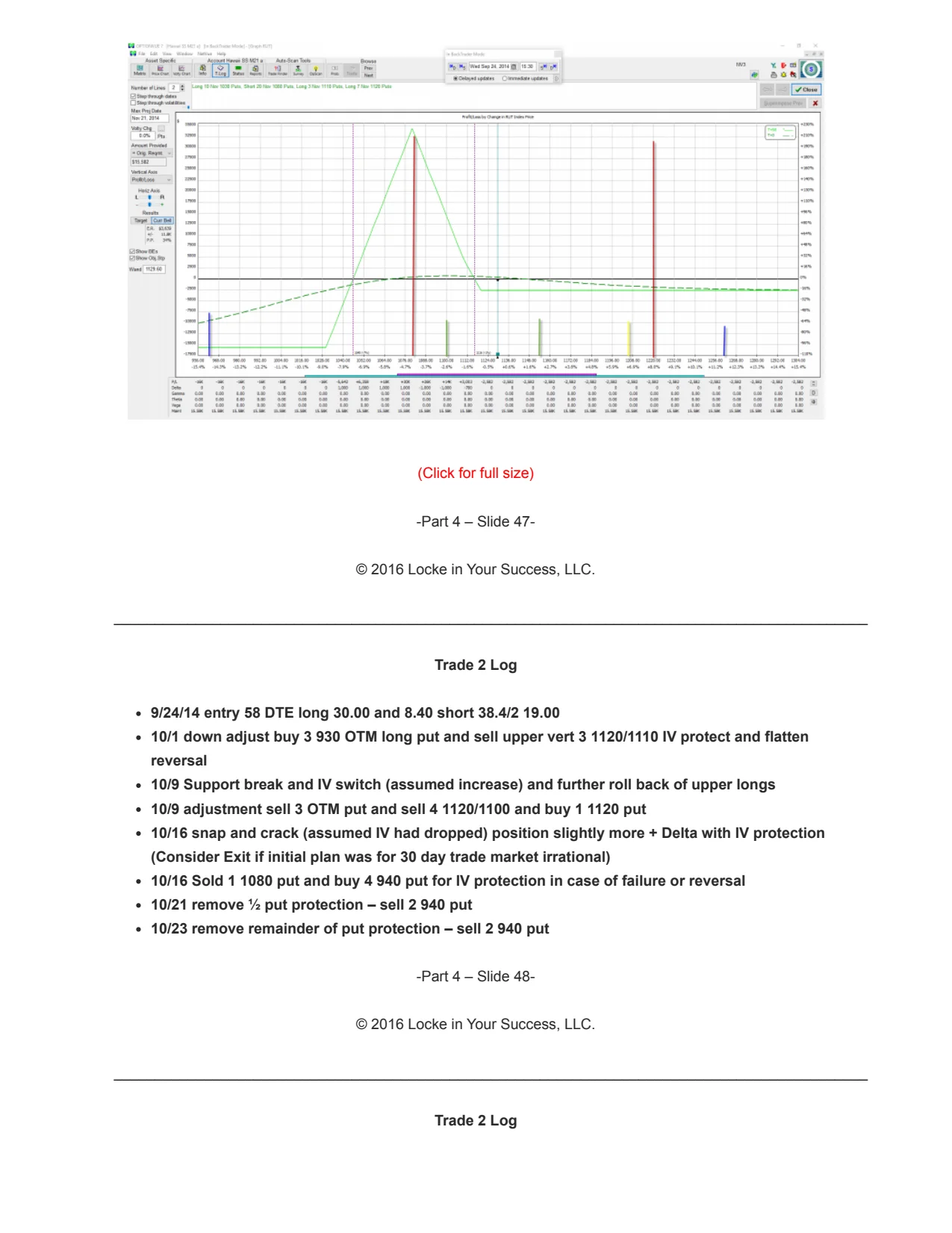

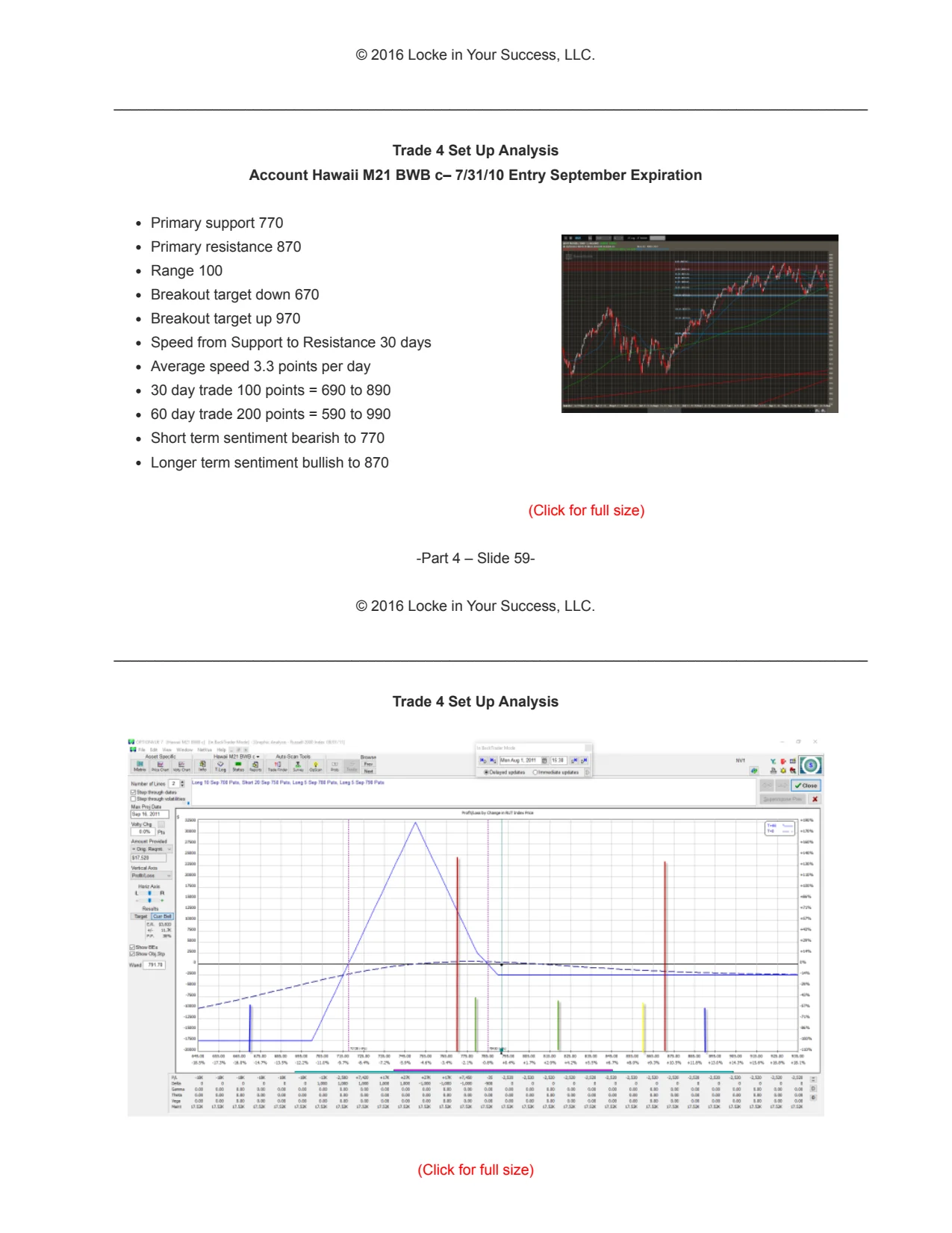

When trading options, there is a tradeoff between the time remaining until expiration and the potential profit. Trading closer to expiration may result in higher profits due to reduced time decay, but it also increases the risk of the trade being affected by market volatility closer to expiration.
To adjust a position for upside and volatility, traders can sell puts to gain positive delta and protect against downside risk, while also buying options to hedge against volatility shifts.
03 20:52 Adjustments, Risk, and Exit Strategies
The speaker discusses adjustments to the expiration graph, scaling in strategies, positioning, and risk management. They also highlight the importance of identifying exit points and following a regular trade plan, while acknowledging the risks and opportunities in the market.

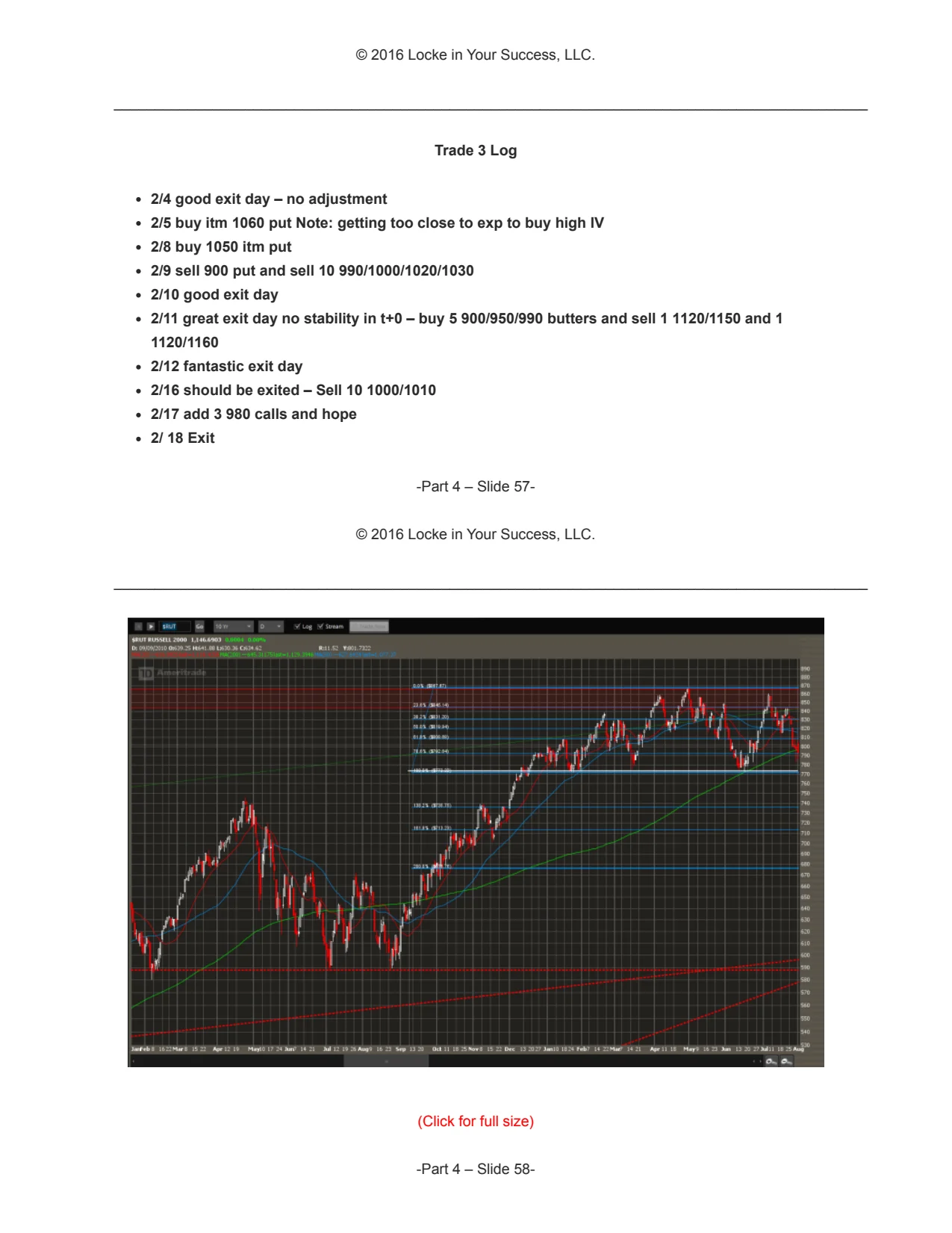
The trader scales into a position by starting to enter at a specific price level (e.g., 1150) as part of a predefined plan, adjusting the position size based on market proximity and risk management.
If a trade is down money, the only way to recover losses is by condorizing the position in front of it, allowing for negative delta to be pulled without expecting further movement beyond a specific point.
When evaluating a trade, it is crucial to assess the risk-reward ratio and determine if the potential reward justifies the risk, especially as expiration approaches. If the risk-reward is not favorable, it is advisable to exit the trade.
04 26:35 Risk Assessment and Market Analysis
The trader evaluates the risk and reward of staying in a trade, considering an exit due to lack of a clear reason to stay. They then analyze the market, noting the uptrend and marking the chart for reference, discussing the time frame and market structure.
When evaluating a trade, it is crucial to assess the risk-reward ratio and determine if the potential reward justifies the risk, especially as expiration approaches. If the risk-reward is not favorable, it is advisable to exit the trade.
When selecting a new strategy and expiration date, consider the market conditions and choose a date that aligns with the strategy's gamma characteristics, such as a high gamma-style rock position with 30 days to expiration.
05 29:01 Market Structure, Strategy, and Trade Execution
The trader identifies key levels and discusses market structure, noting the lack of recent resistance and proximity to key levels. They analyze market behavior through stochastics, discuss price movements and levels, and explore various trading strategies including range trades, broken wing butterflies, and bullish moves. The trader also outlines a bullish strategy with protection and discusses volatility and theta correction.
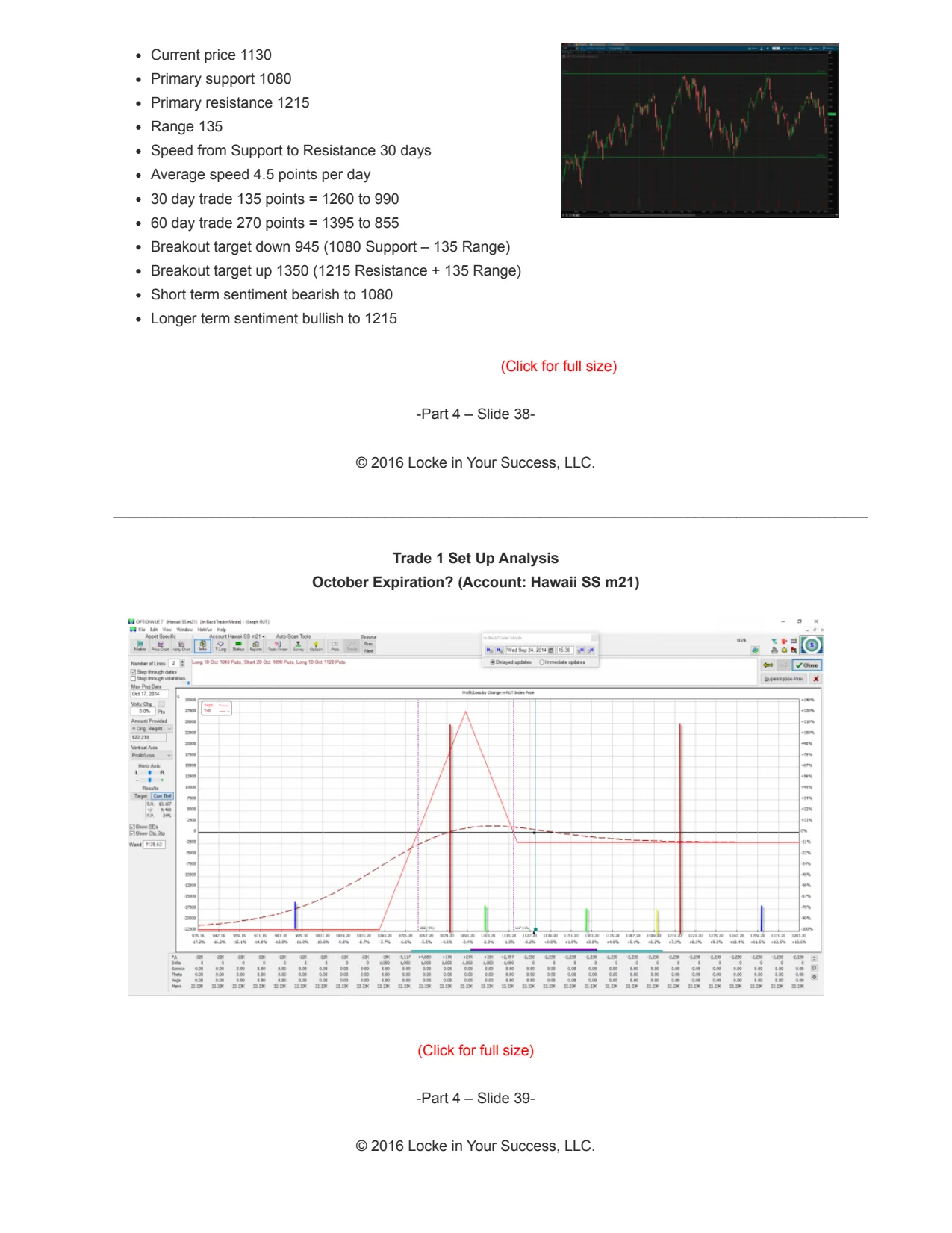

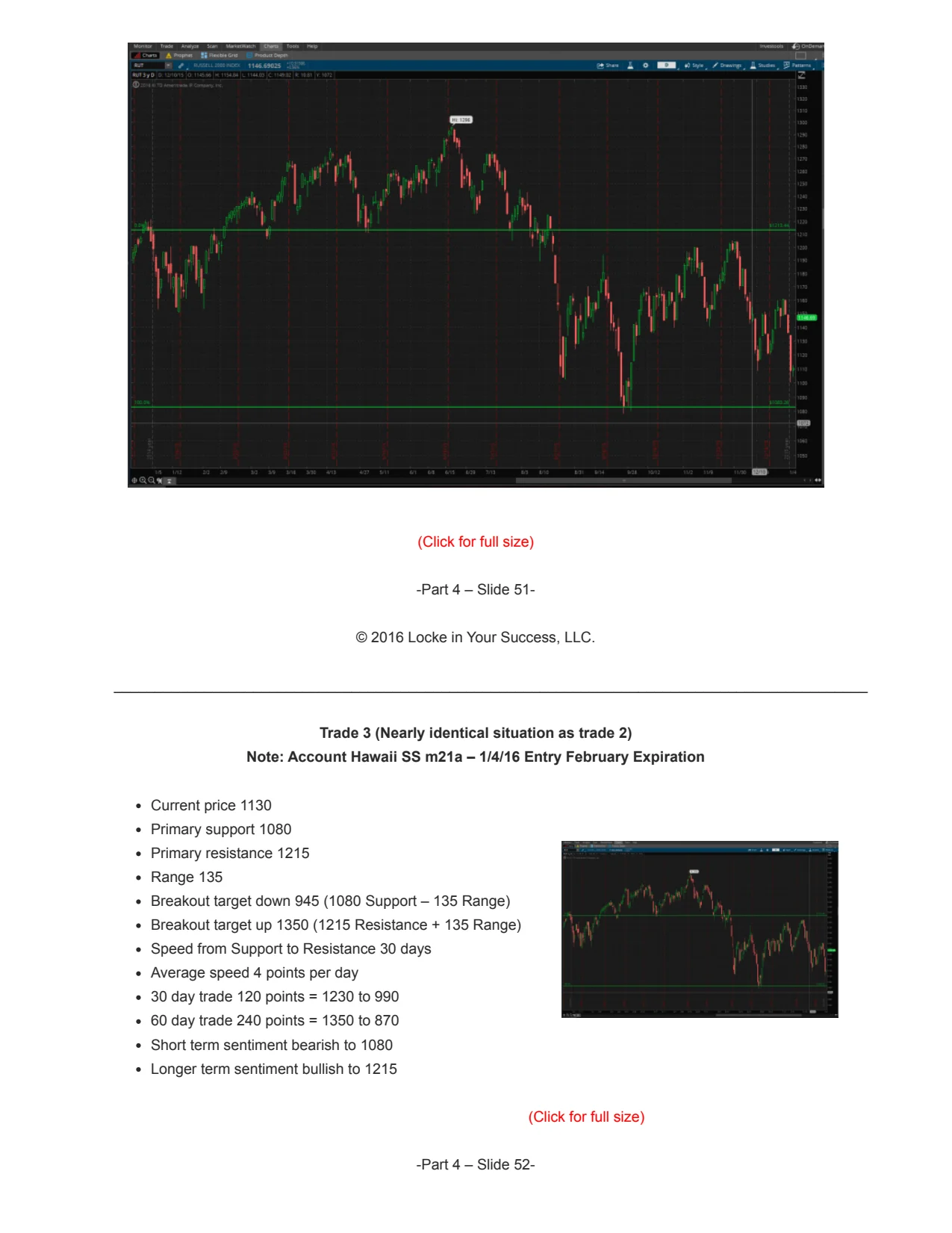
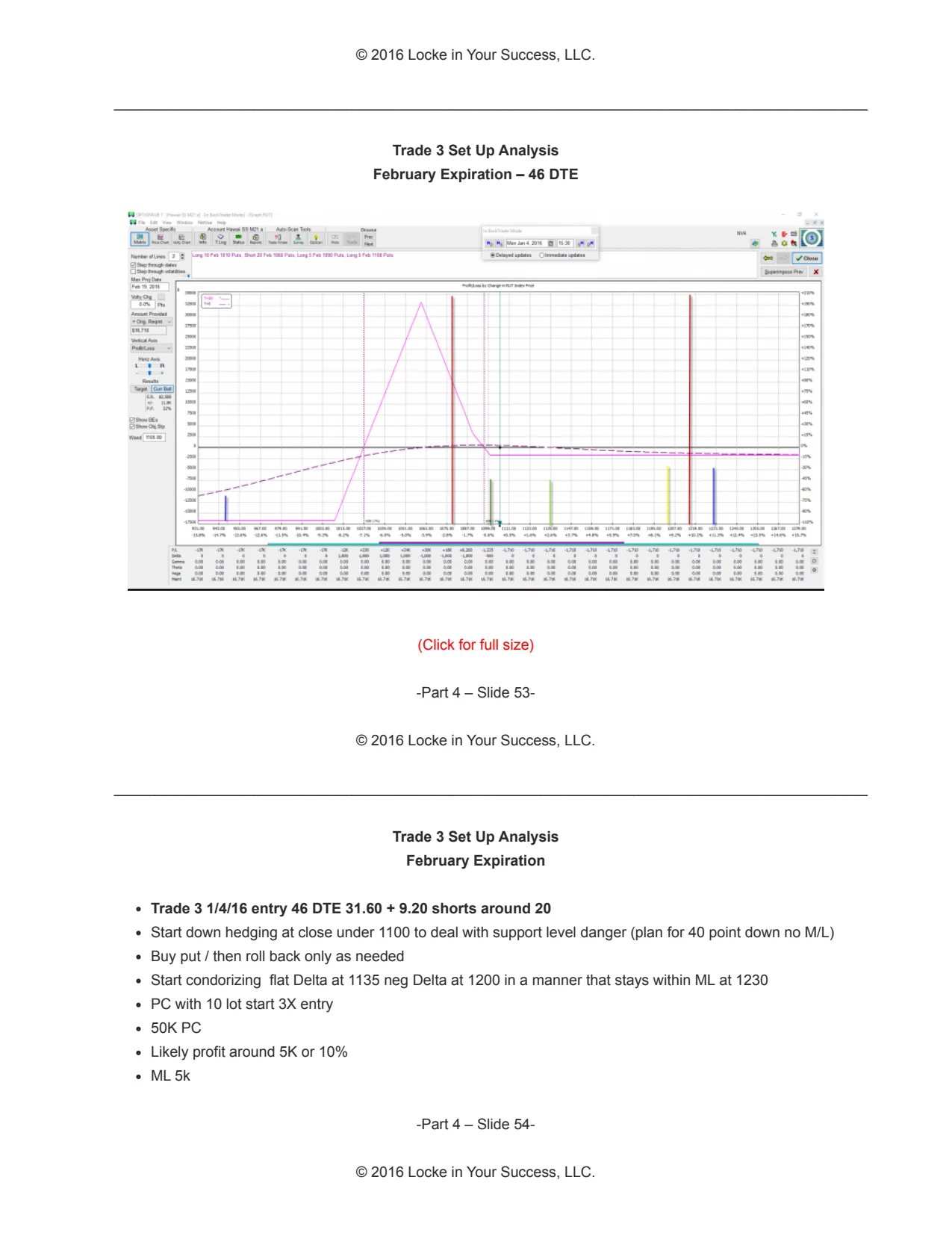
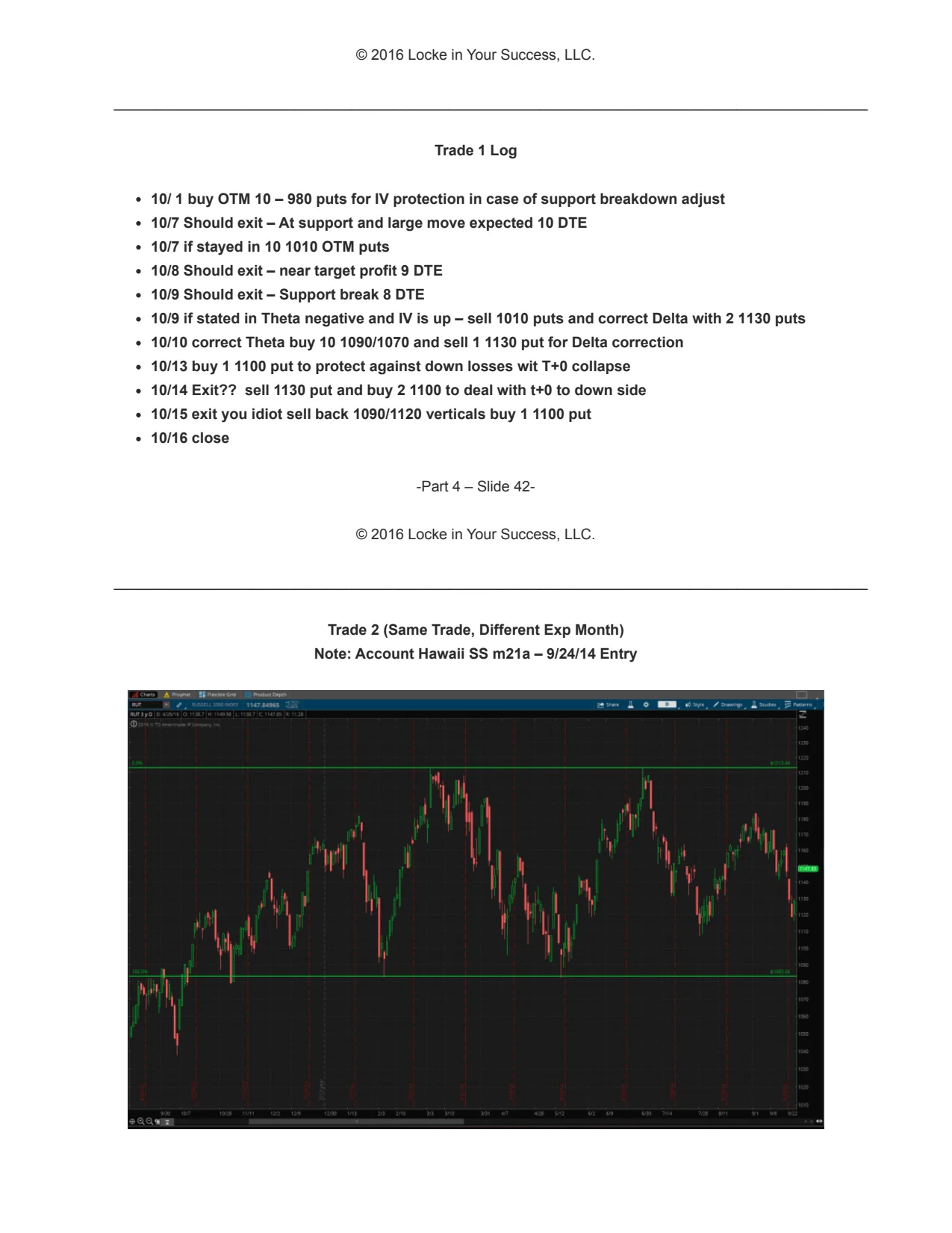
To set up a broken wing butterfly strategy, you do a broken wing butterfly here, and then you put butterflies underneath it to stabilize your Vega, and you add puts to it.
To set up a butterfly strategy, you set up your 1100s. You set up your shorts at 1100s for now. You set up your longs. Let's just do a straight butterfly. One, two. three, four, five. I just want to get an idea of what the price movement is going to do to me.
06 41:22 Options Trading and Position Adjustments
The trader discusses delta and vega corrections on the T plus zero line, then moves to position adjustments with specific numbers, indicating changes to the trading strategy.
The trader is performing a delta correction and a vega correction on the T plus zero line, though there is a mention of theta, which may indicate a transcription error or confusion in the terminology.
The trader is using a counting method with numbers two, three, four, five, and then adjusting with plus three and minus six.
07 41:51 Trade Strategy, Capital Management, and Market Analysis
The trader outlines a trade strategy involving a specific price point, capital management, and market assumptions. They also discuss position adjustments, risk assessment, and market potential, including the use of specific strategies like straddles and vertical spreads.
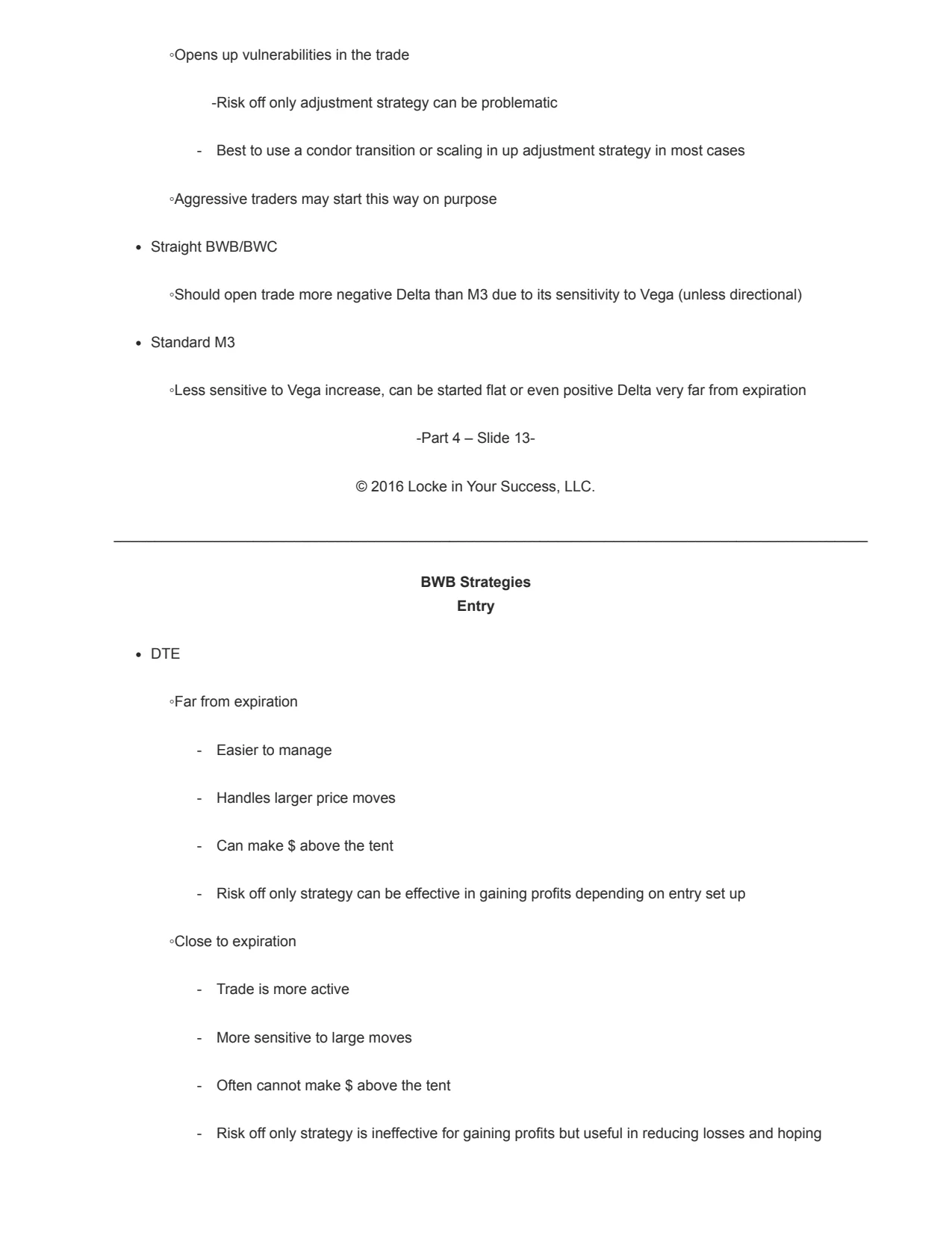
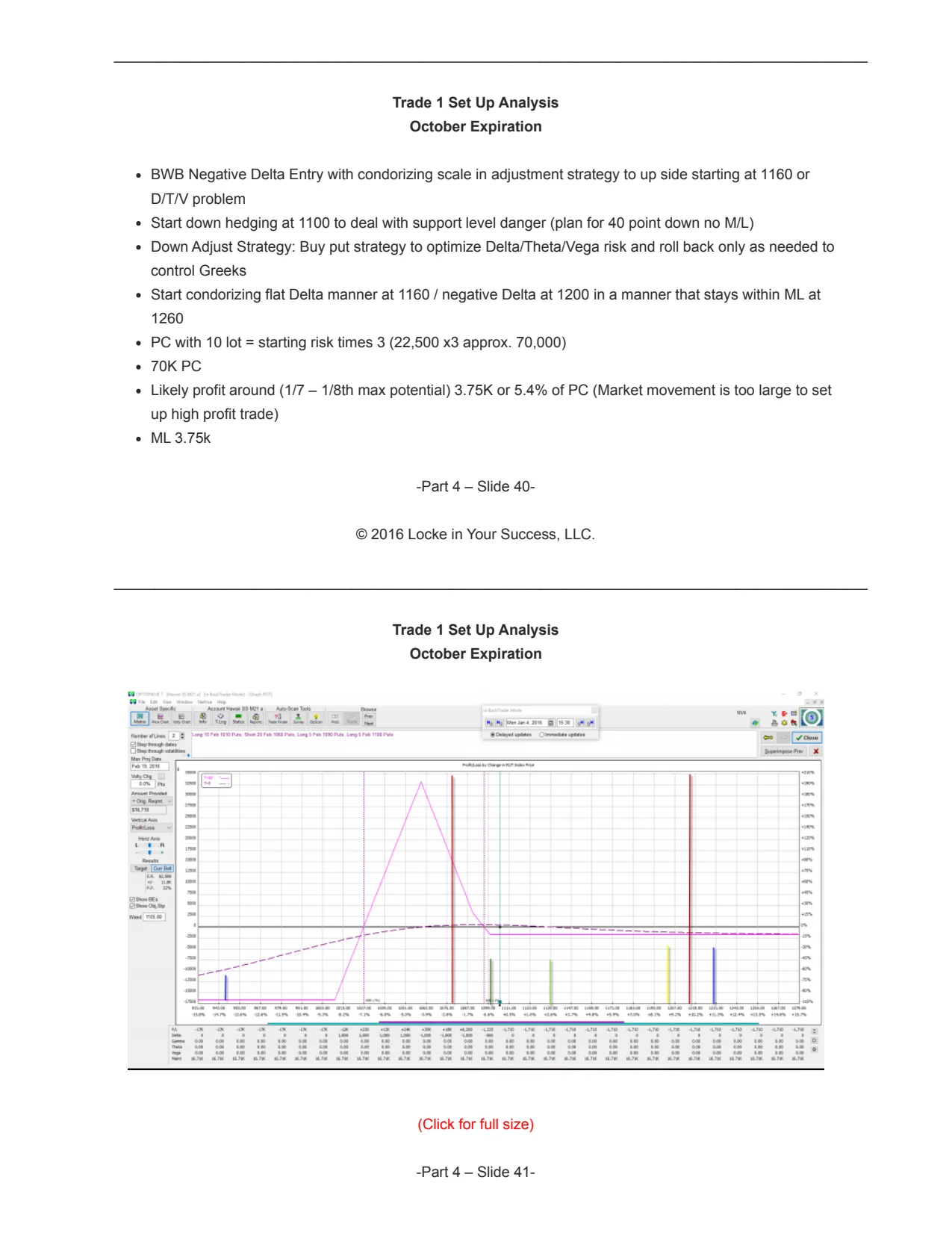

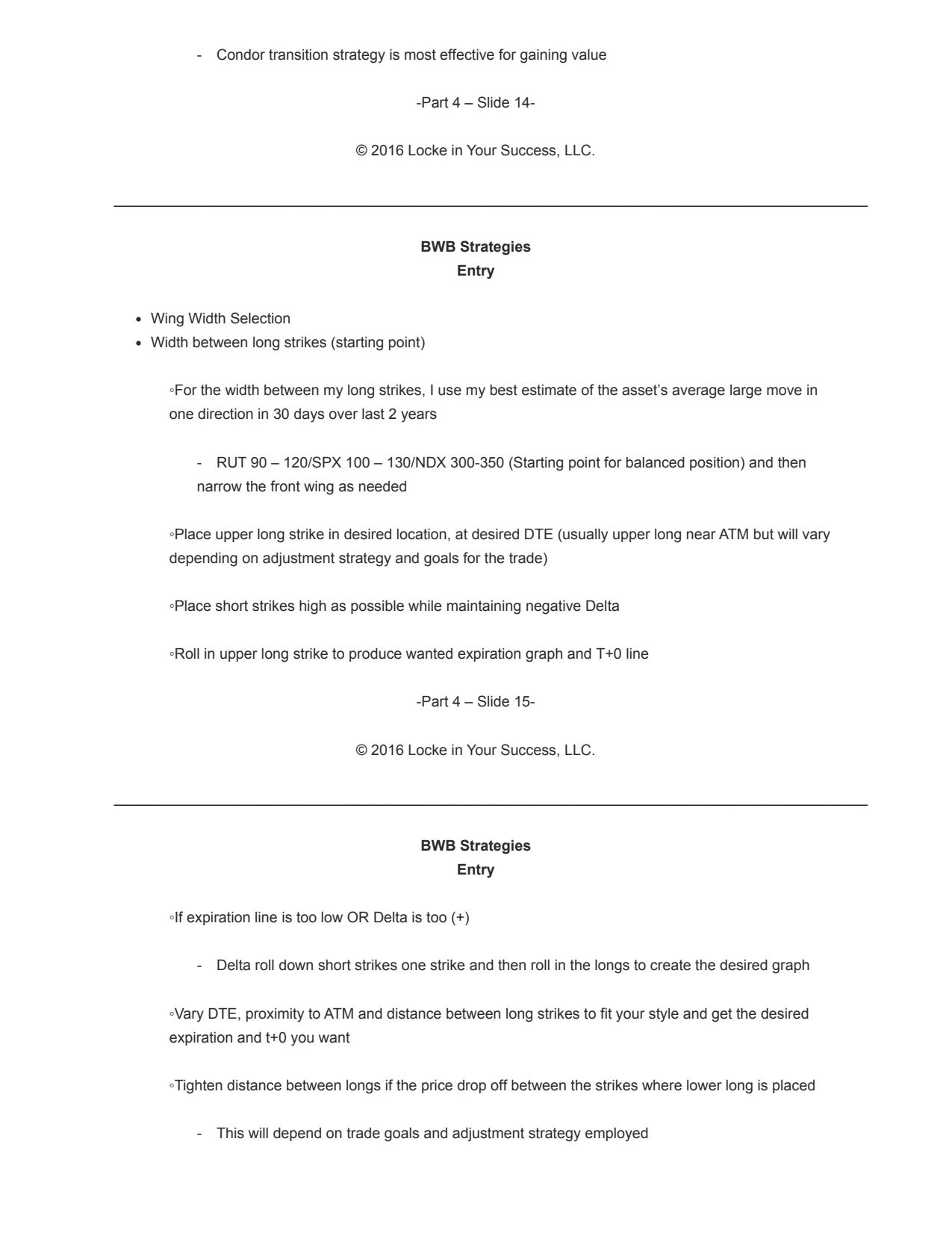
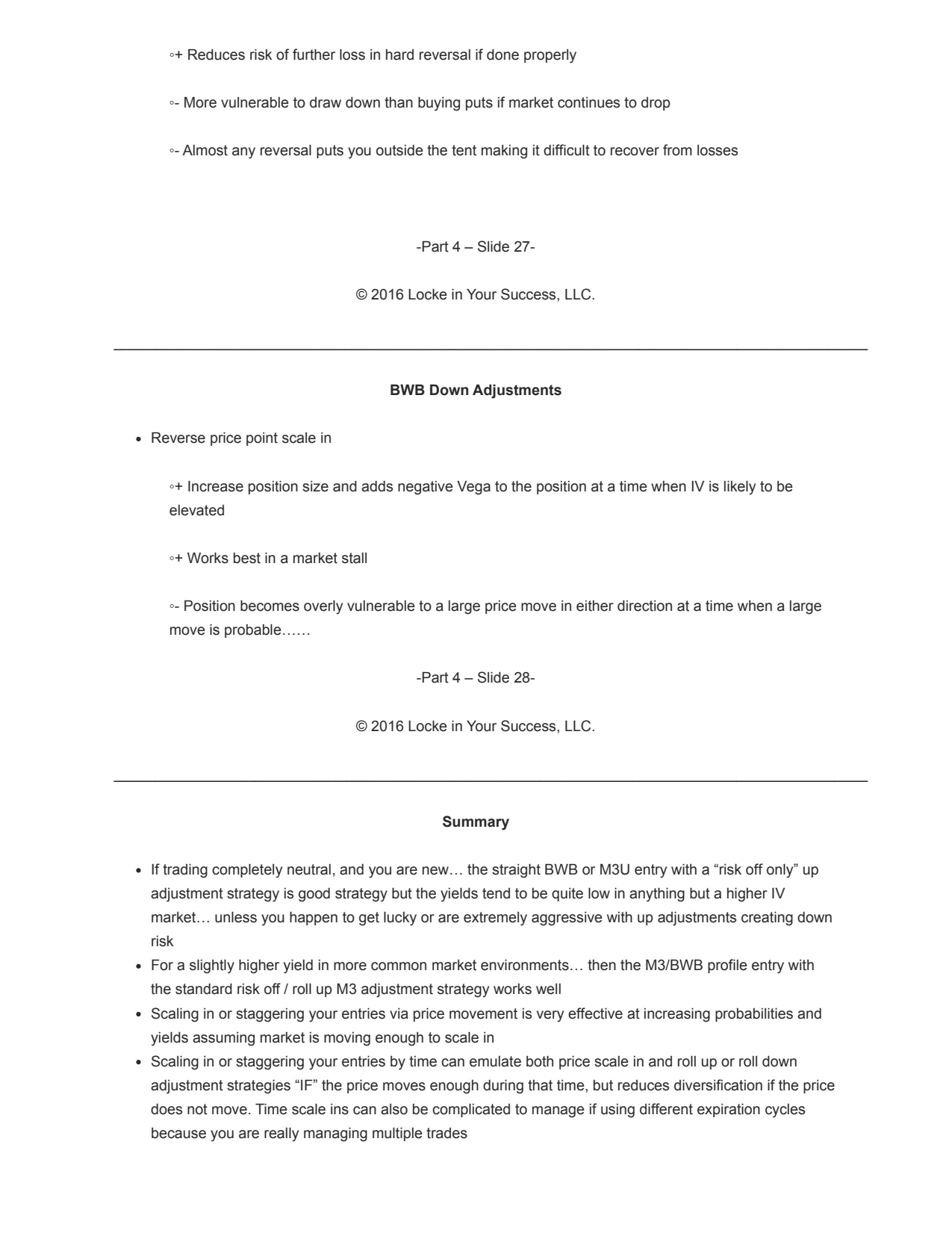
To maintain stability in a trade, the trader adjusts the position to keep delta within a range (e.g., minus 100), ensures theta remains positive, and Vega remains negative. This is done by rolling positions, adjusting strike prices, and monitoring market movement to avoid large losses.
The trader limits capital exposure to under $50,000 and ensures that the maximum loss in any trade is capped at a specific amount (e.g., $5,000).
08 56:26 Initial Setup, Stability, and Trade Conversion
The trader discusses initial setup and risk considerations, mentions stability in strategy, and talks about converting trades as the market moves slightly.
A trader can set up trades to maintain stability while playing for upside, accepting a higher risk for potential gains.
Convert trades to maintain upside stability when market movement aligns with the trade setup.
09 57:09 Correction Strategy, Position Adjustments, and Final Thoughts
The trader discusses correction strategies, position adjustments, risk evaluation, and final thoughts on trading strategies and market movement.
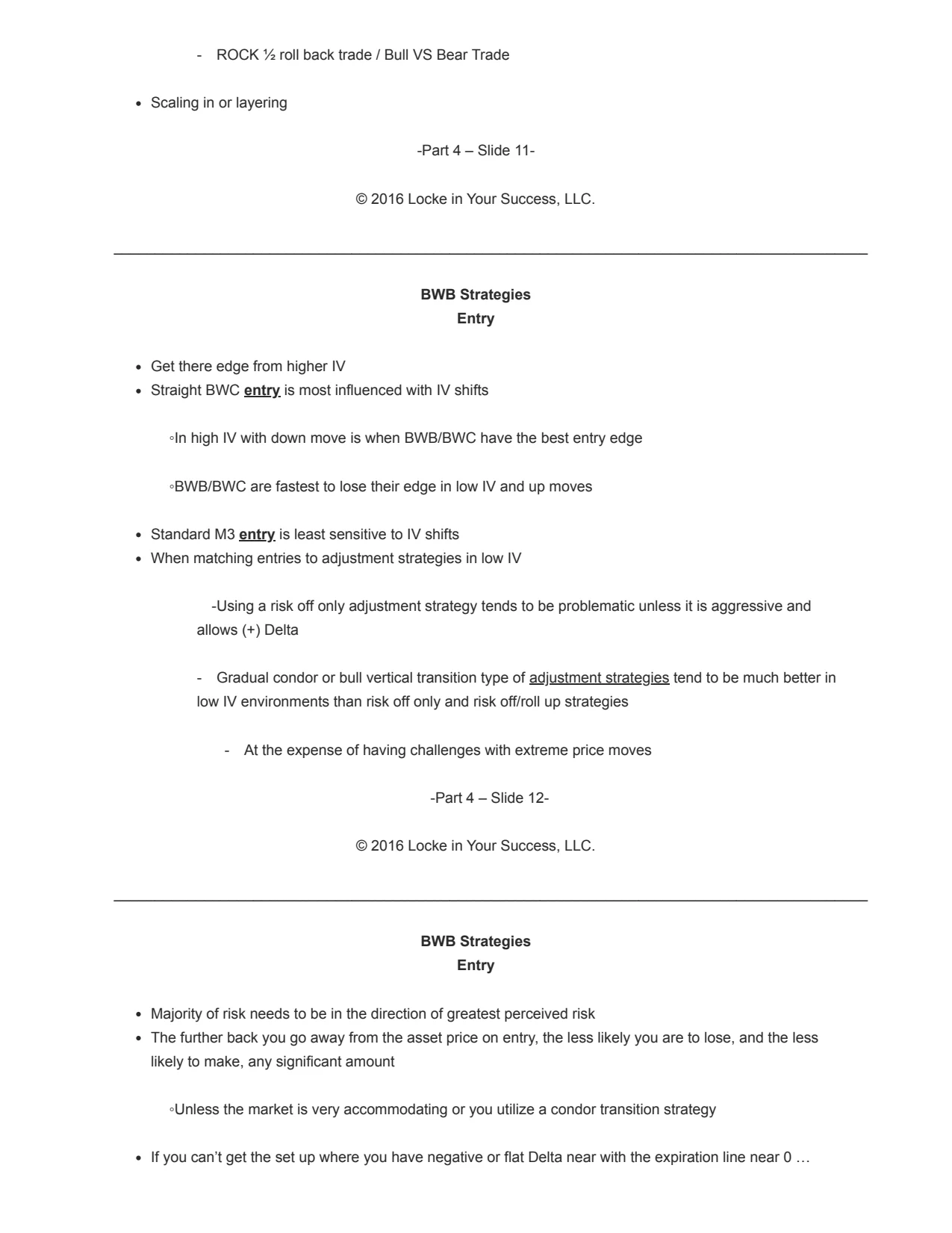
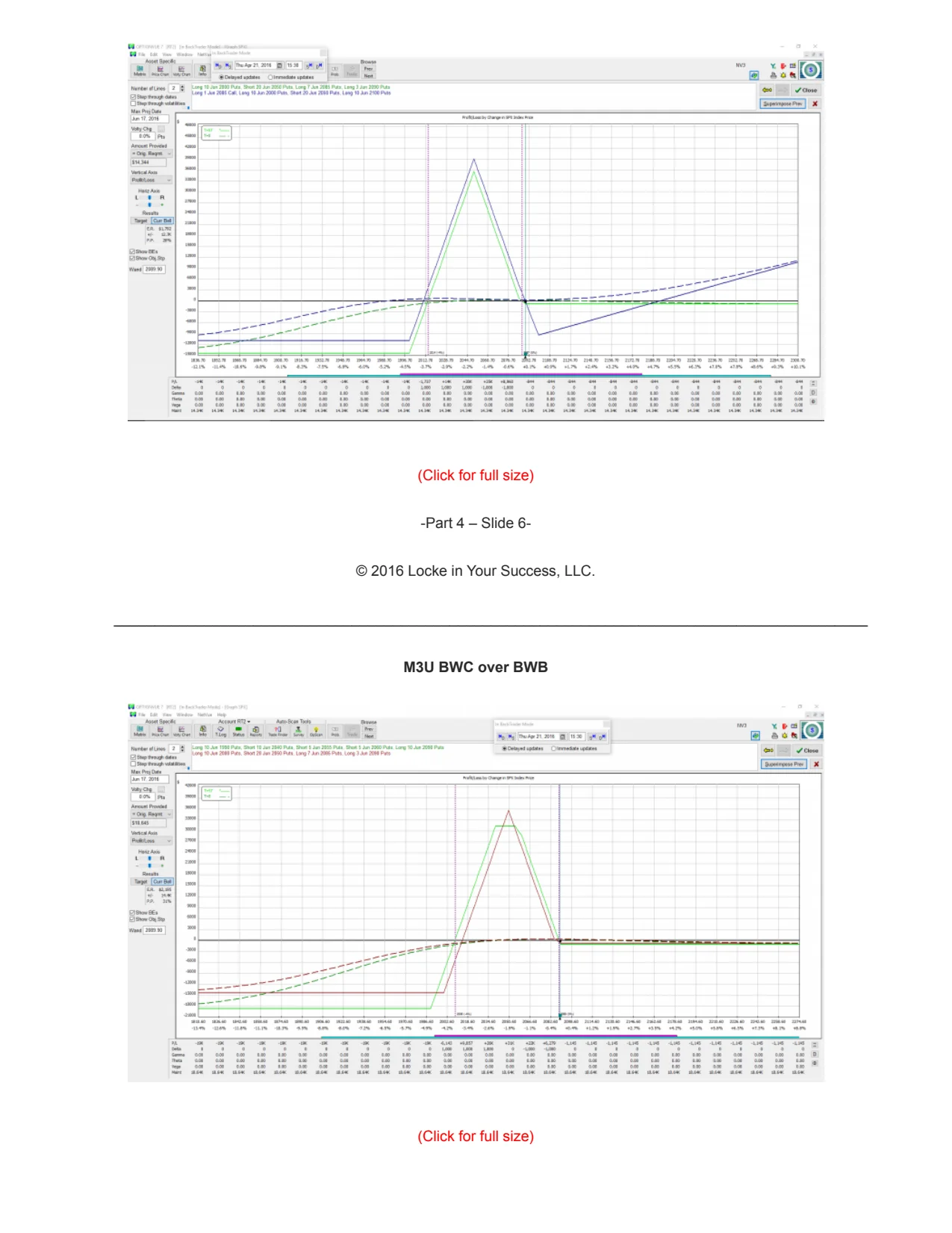
Adjust positions by rolling back or modifying strike prices to maintain a desired delta range, such as staying within a positive 50 delta range, to manage risk and prepare for potential market movements.
Adjust positions to reduce risk exposure by rolling back strike prices or modifying the position to stay within a defined risk tolerance, such as reducing risk while maintaining a positive delta.