Session overview
The speaker discusses the setup of the current trade, including support and resistance levels, volatility, and the importance of identifying support points to manage risk. They outline the profit and loss setup, account and trade configurations, and market behavior at the entry point. The speaker also covers scenarios, price movements, volatility adjustments, position management, and strategies to avoid drawdowns.
01 1:13 Trade Setup, Analysis, and Risk Management
The speaker discusses the setup of the current trade, including support and resistance levels, volatility, and the importance of identifying support points to manage risk. They outline the profit and loss setup, account and trade configurations, and market behavior at the entry point. The speaker also covers scenarios, price movements, volatility adjustments, position management, and strategies to avoid drawdowns.

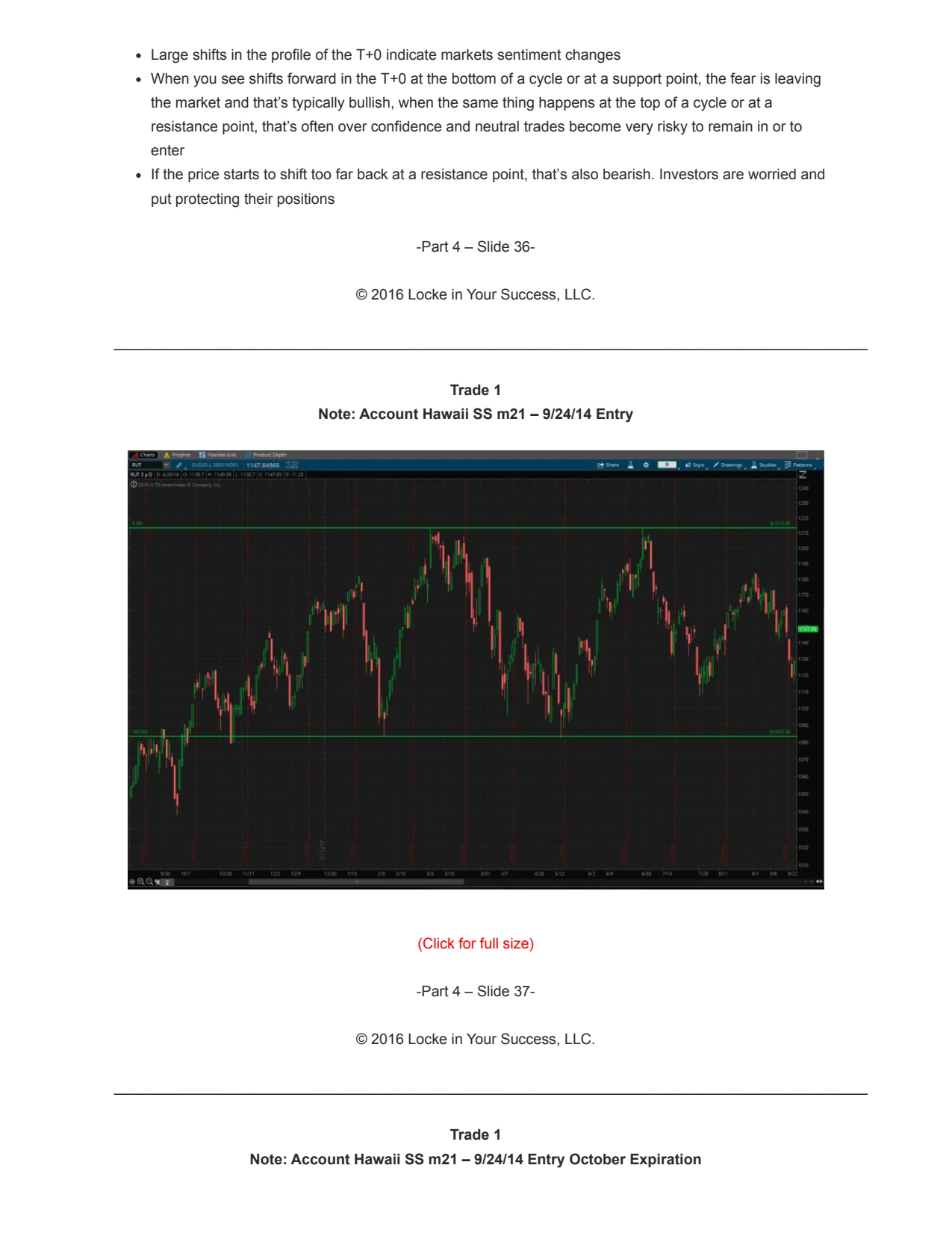
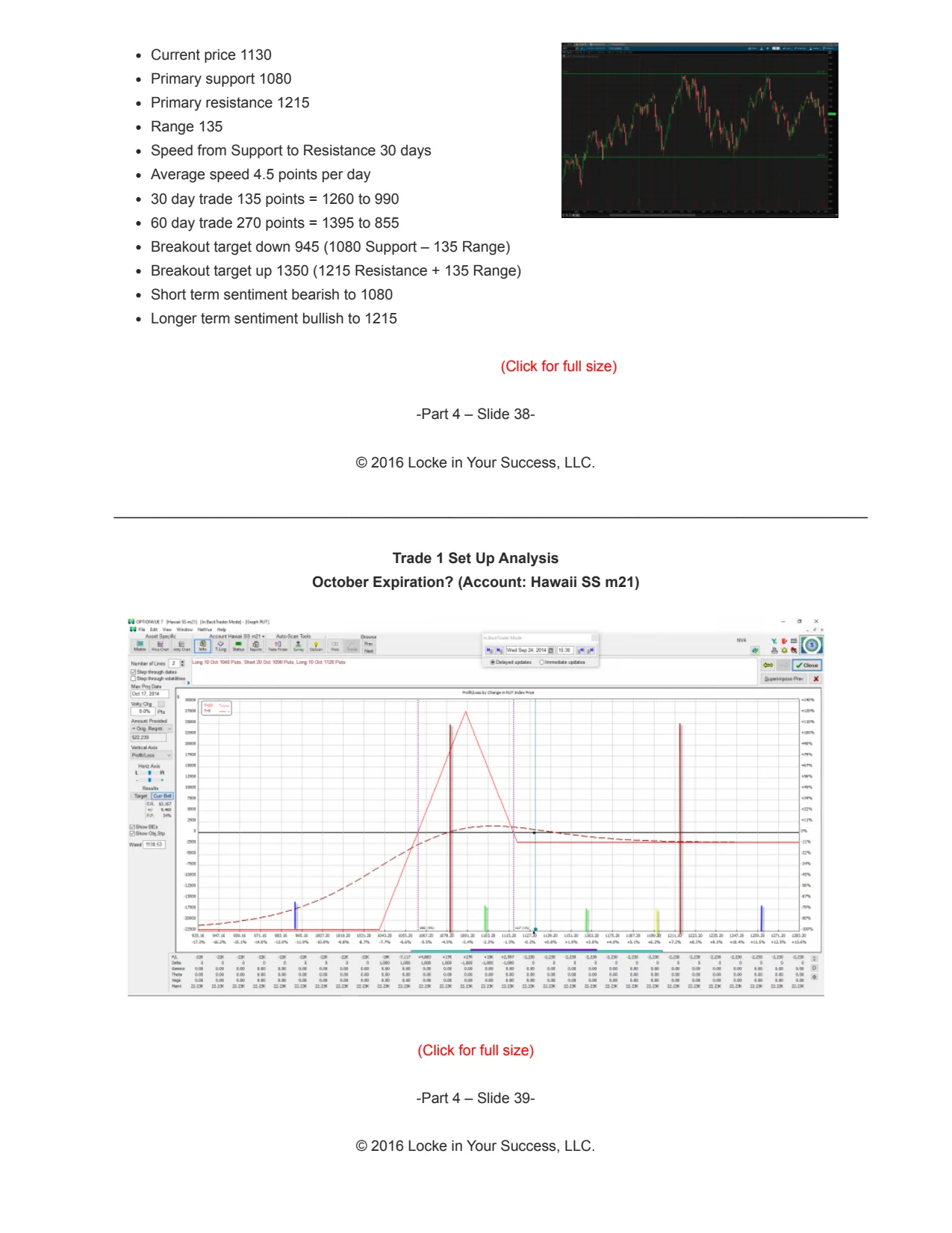

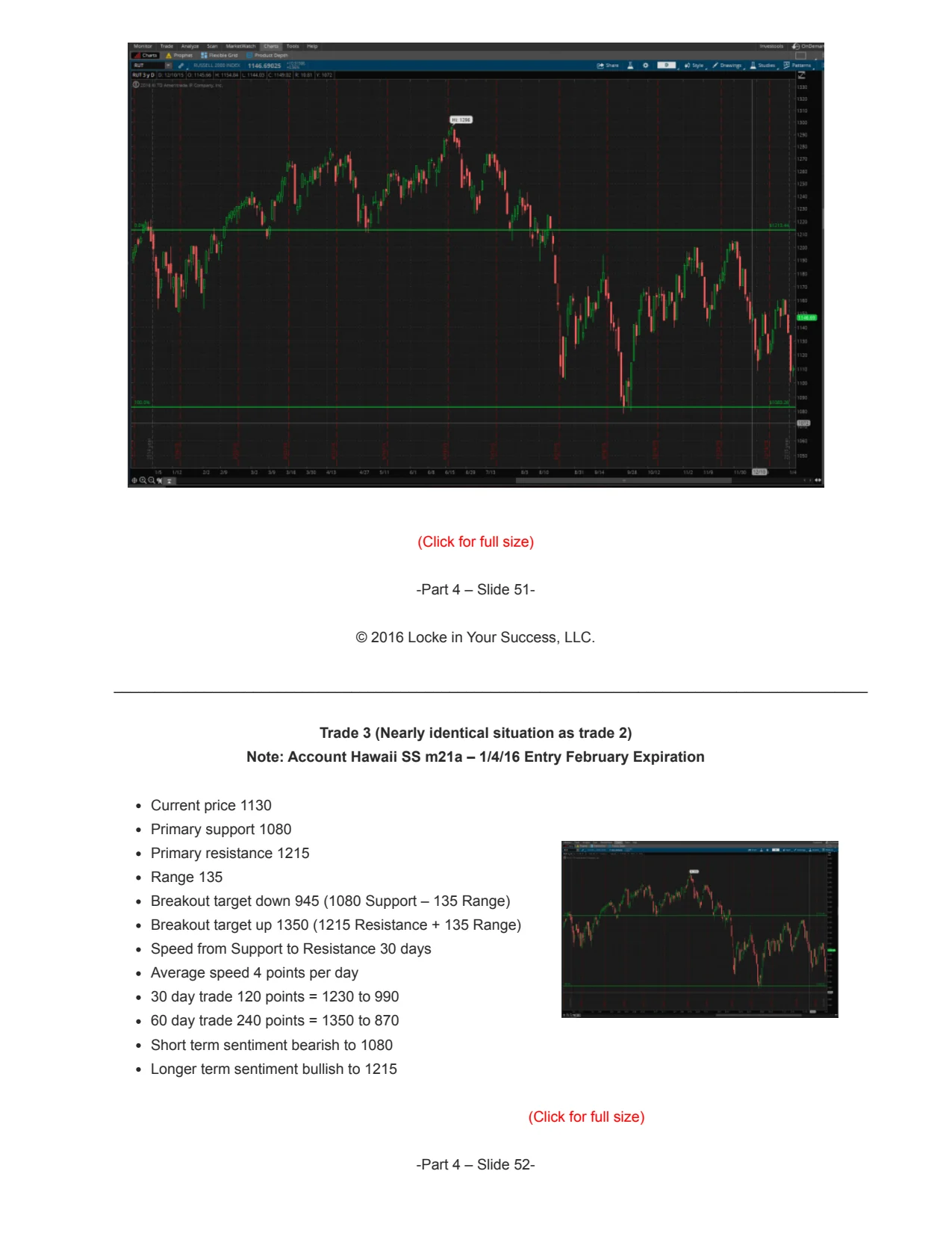
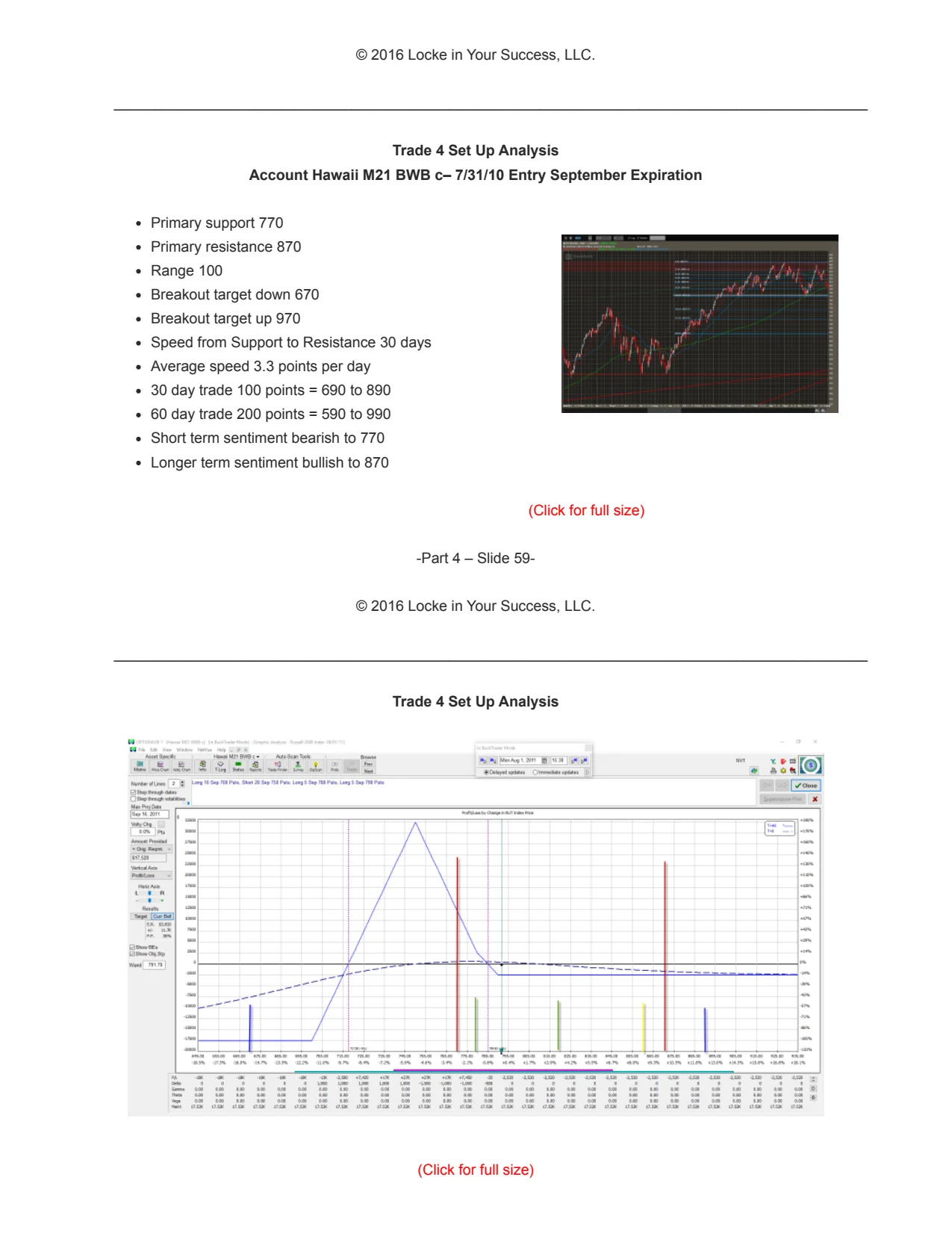
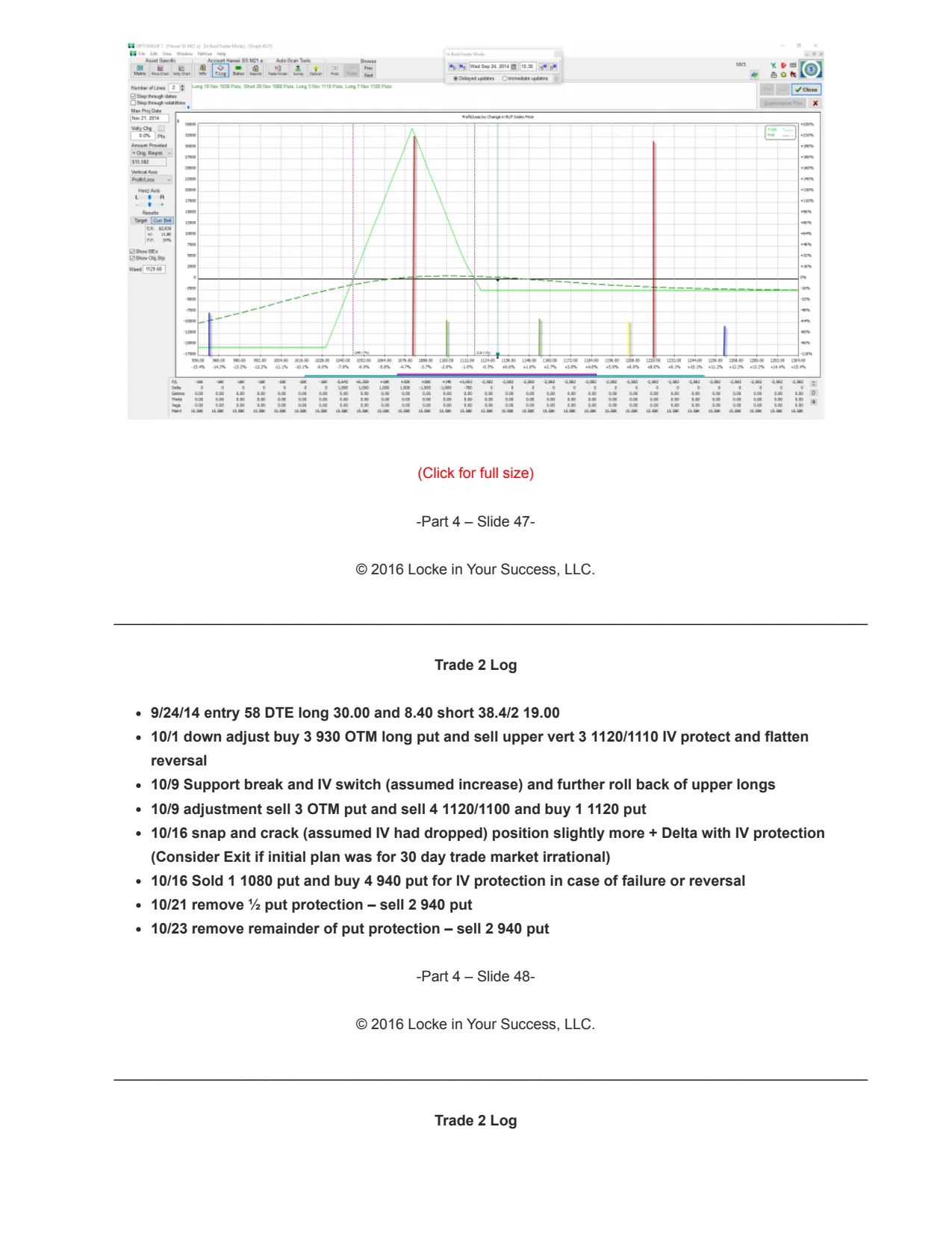
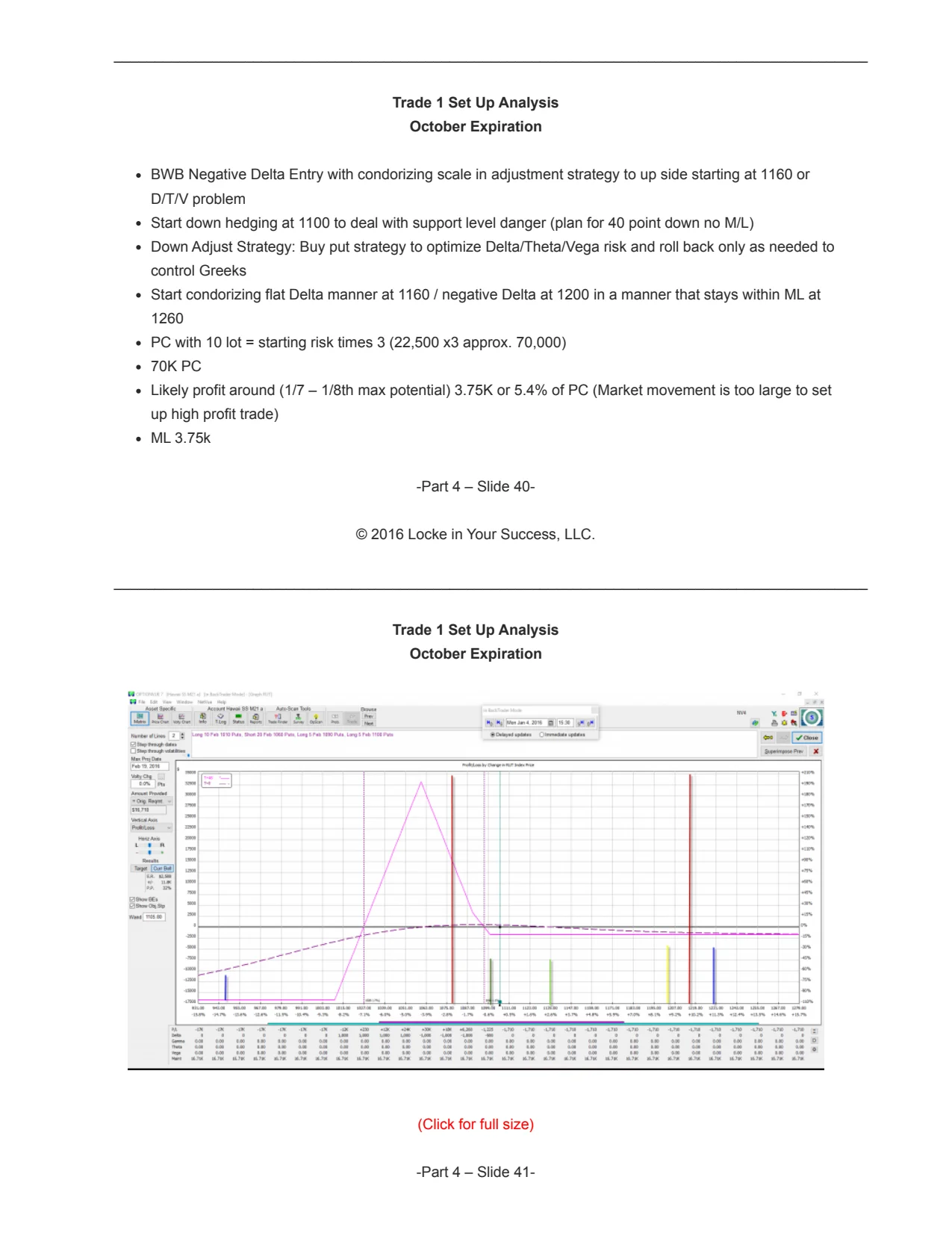
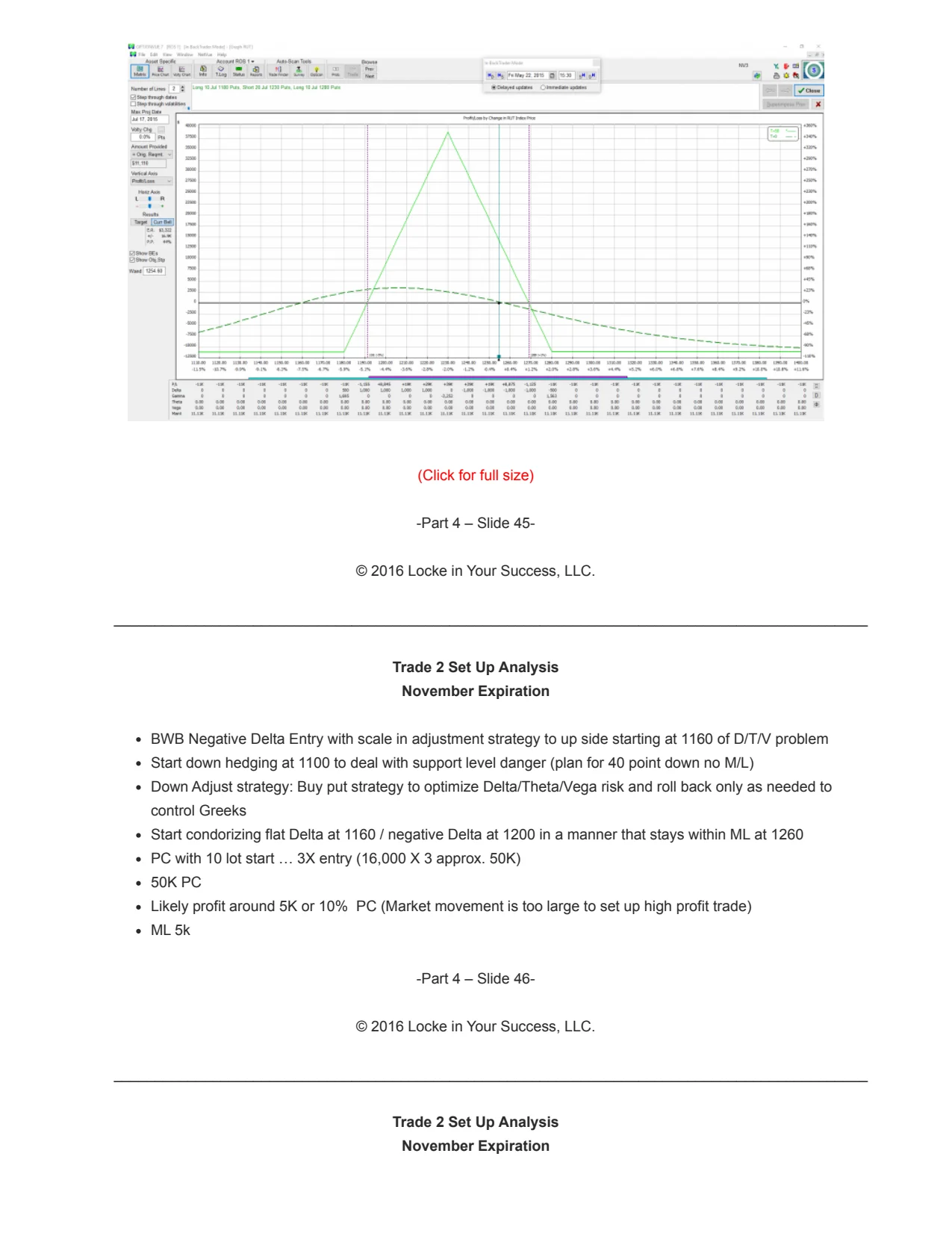
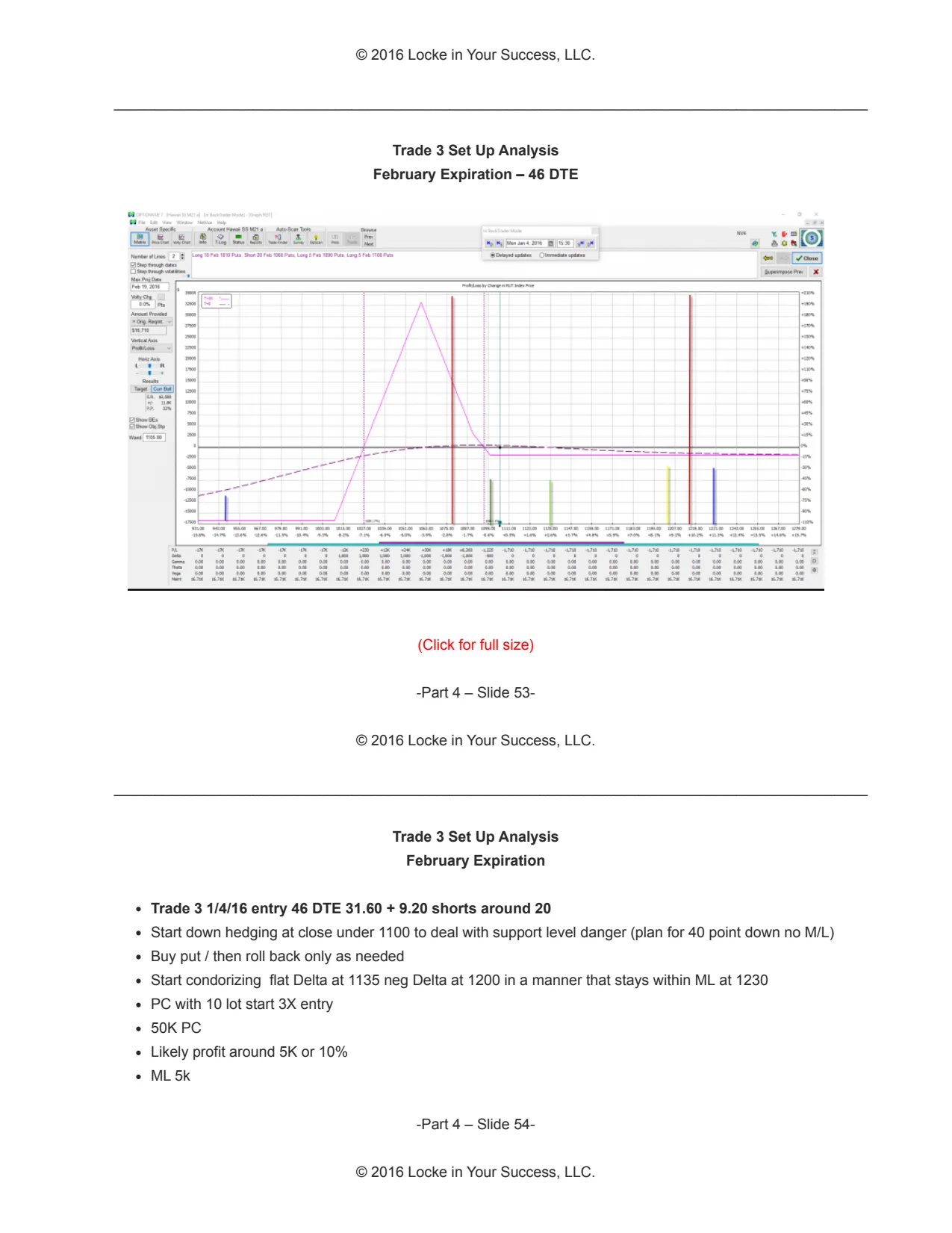
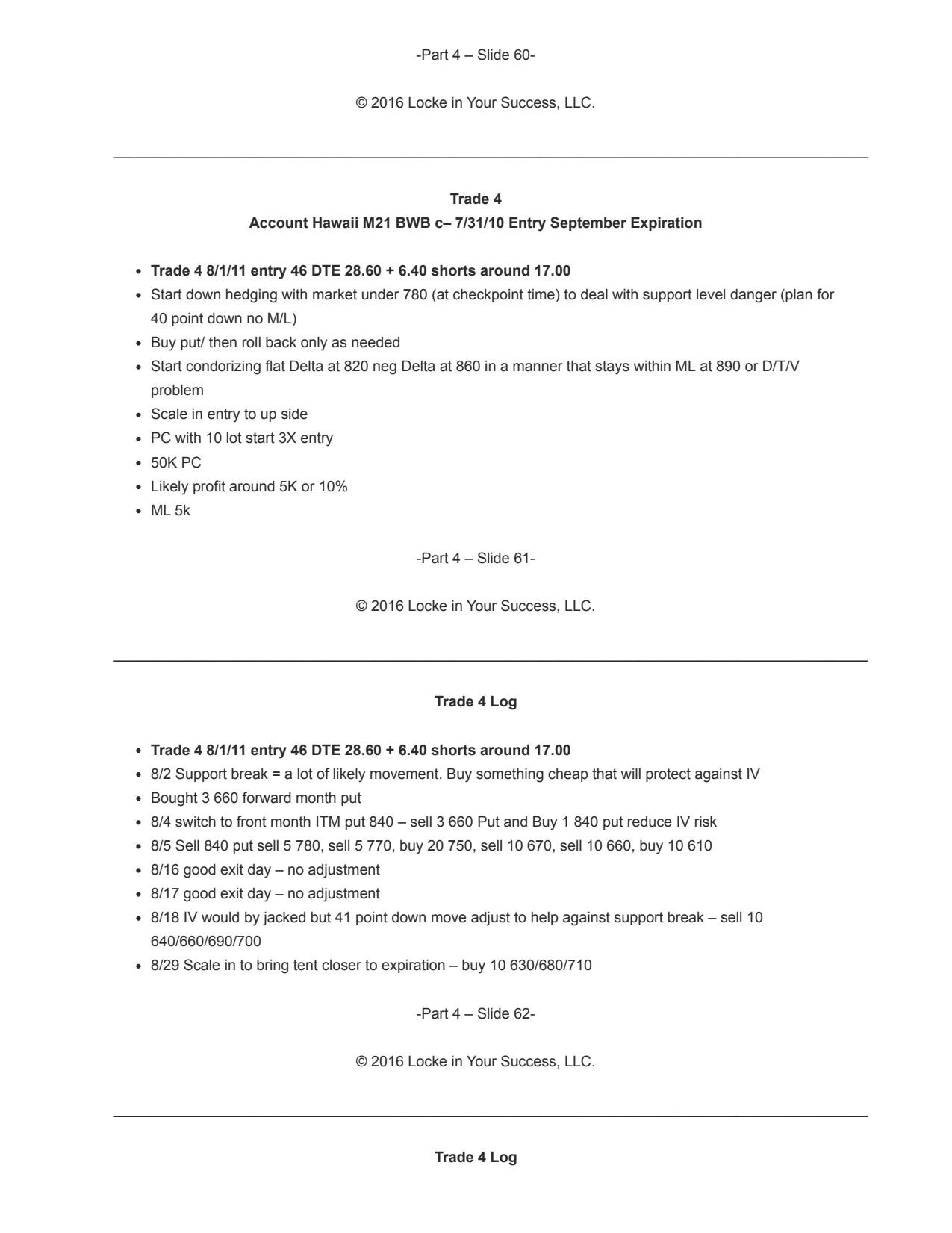
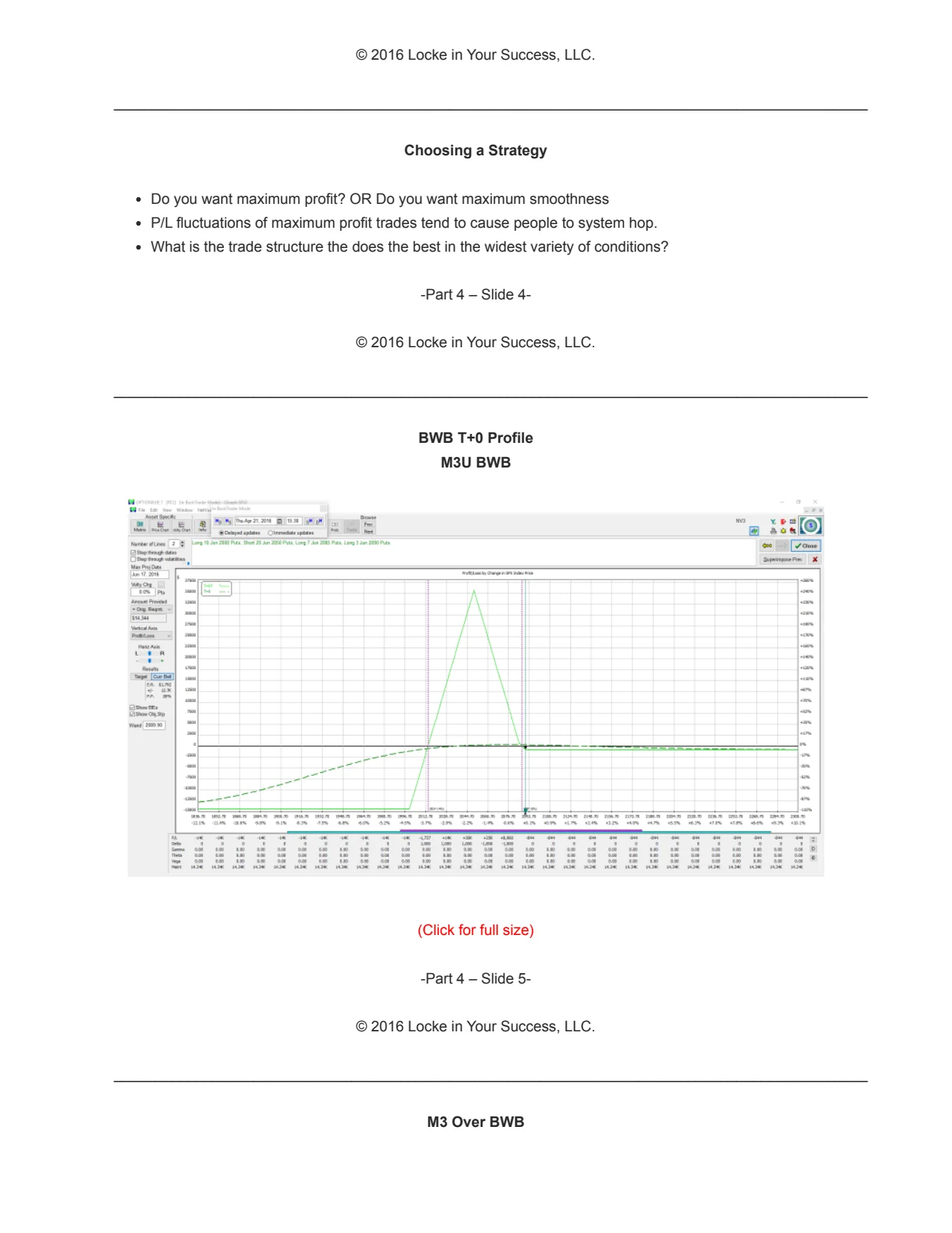
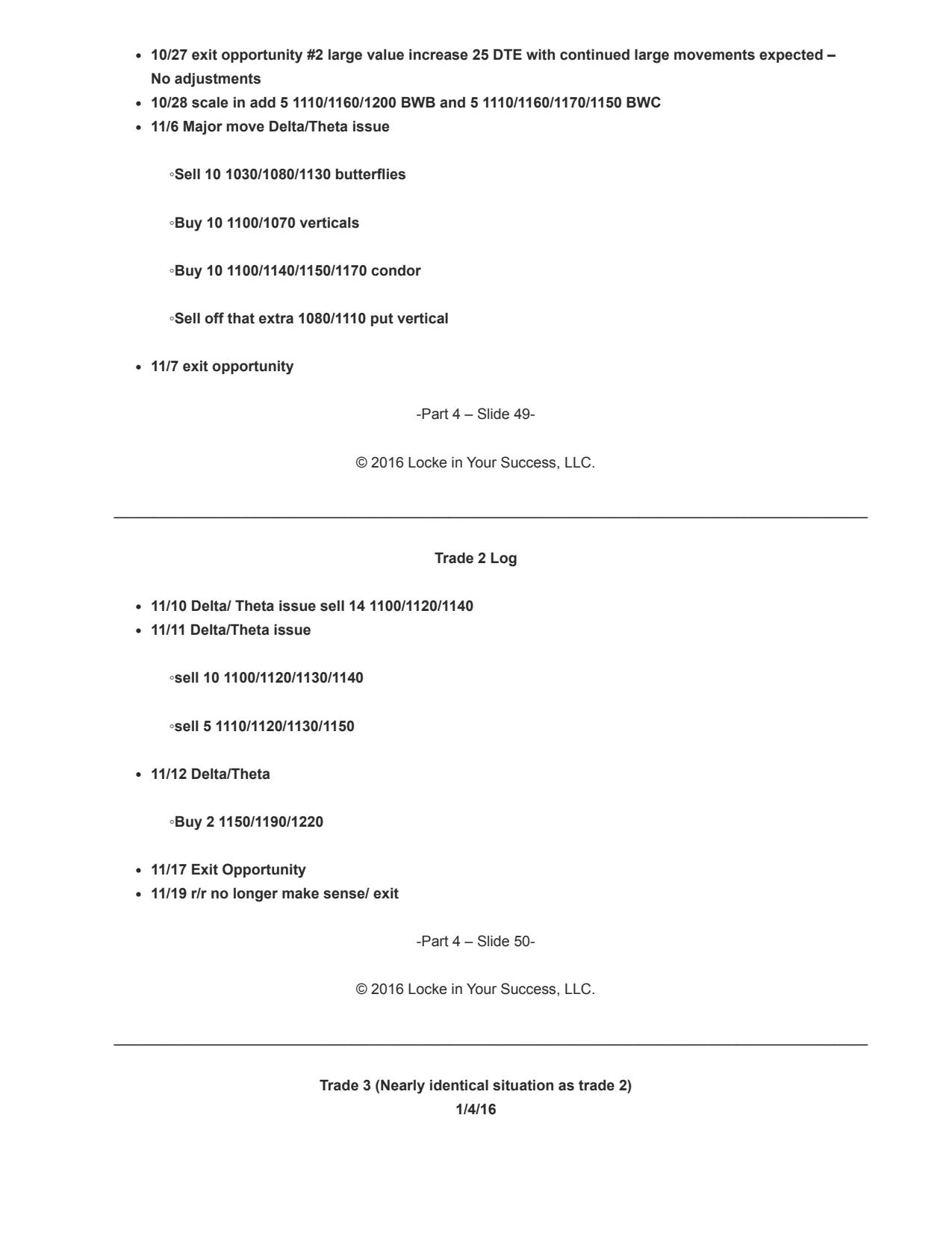
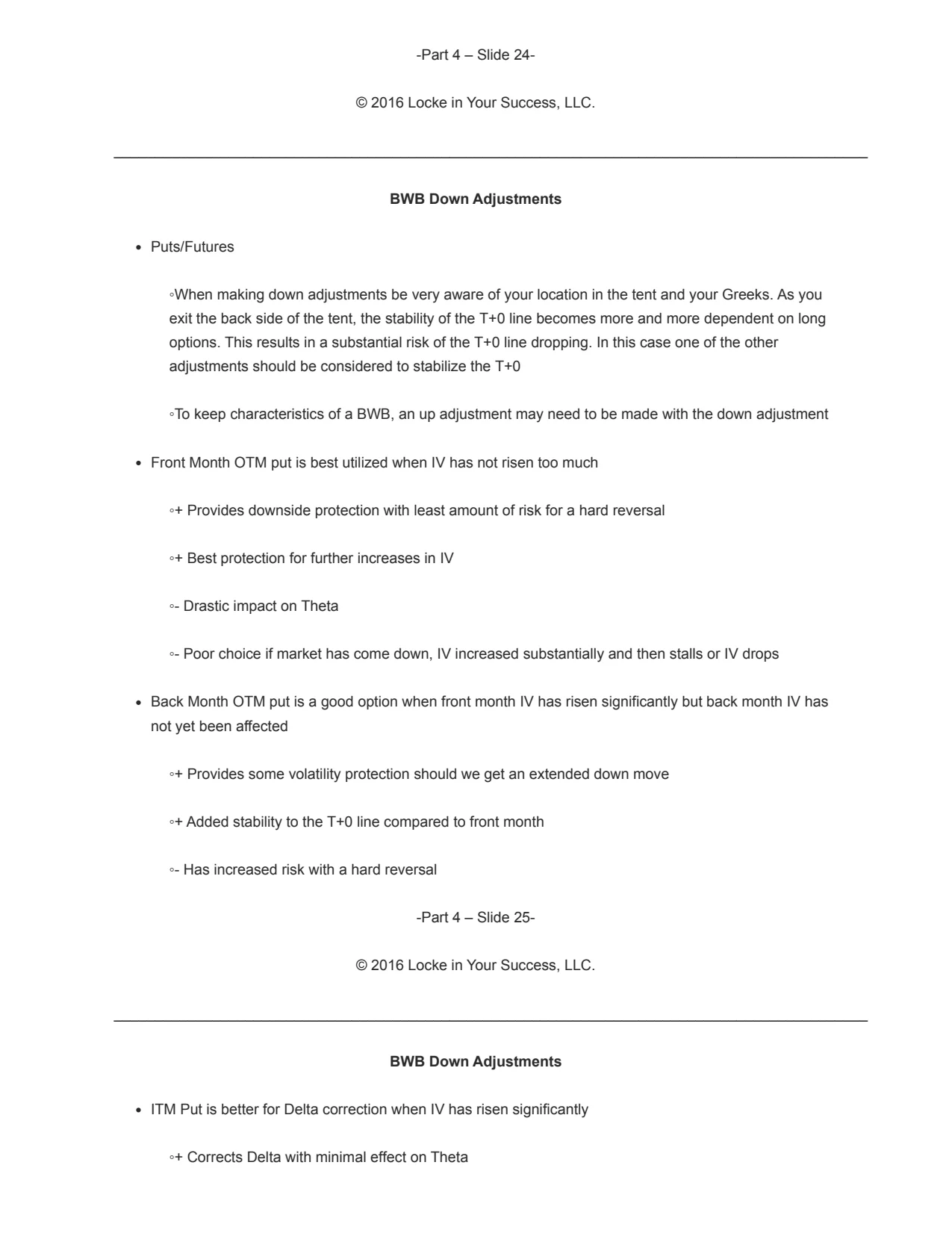
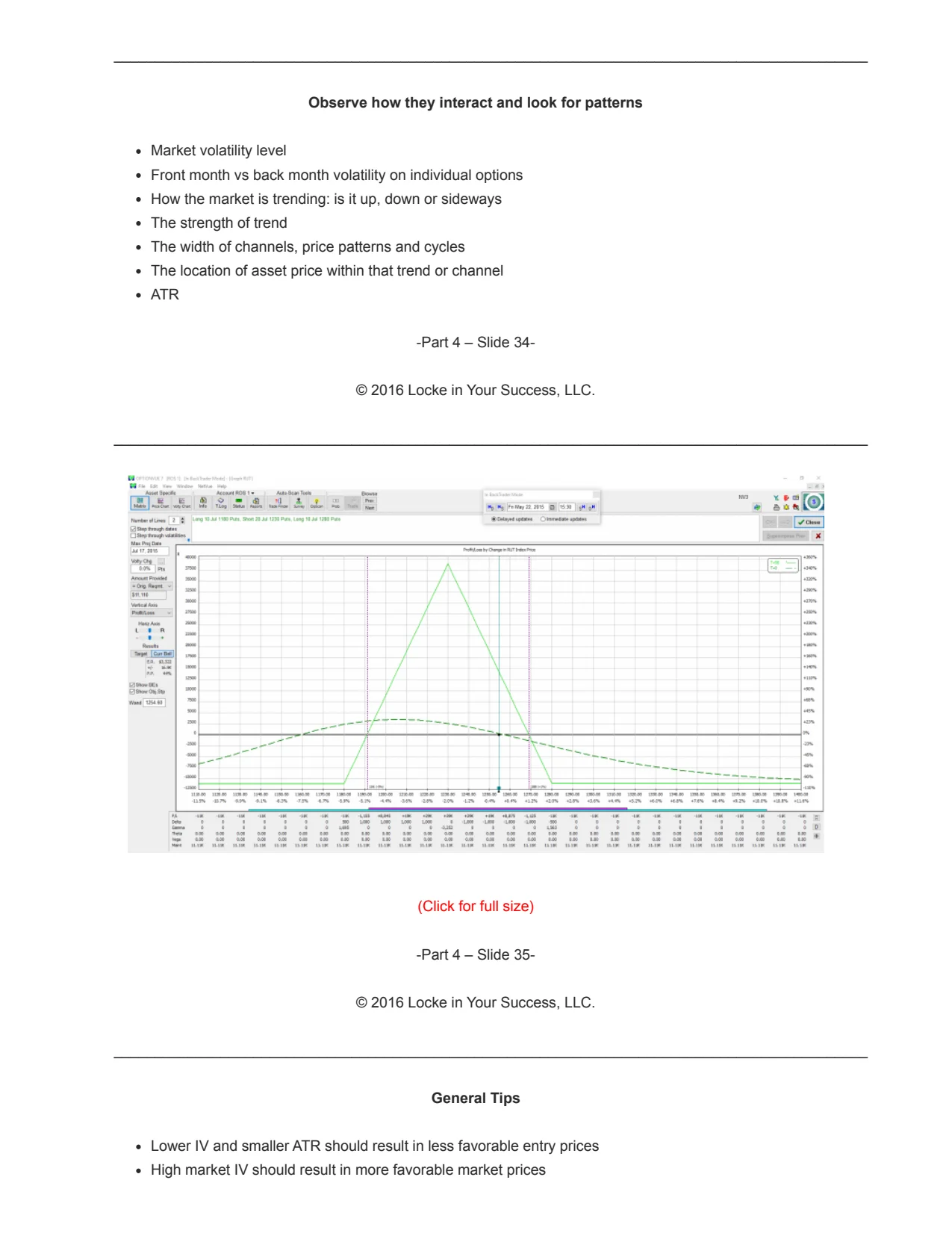
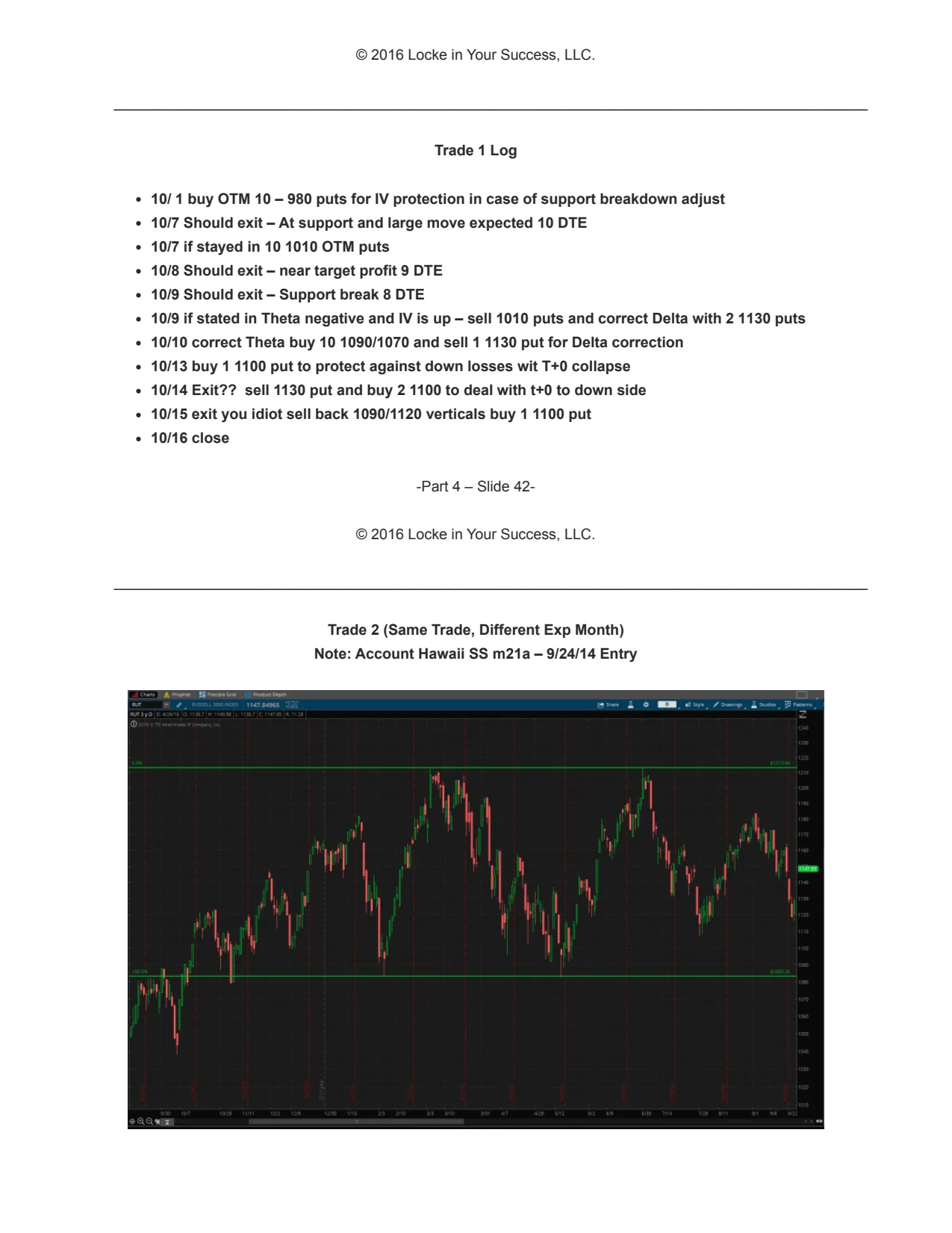
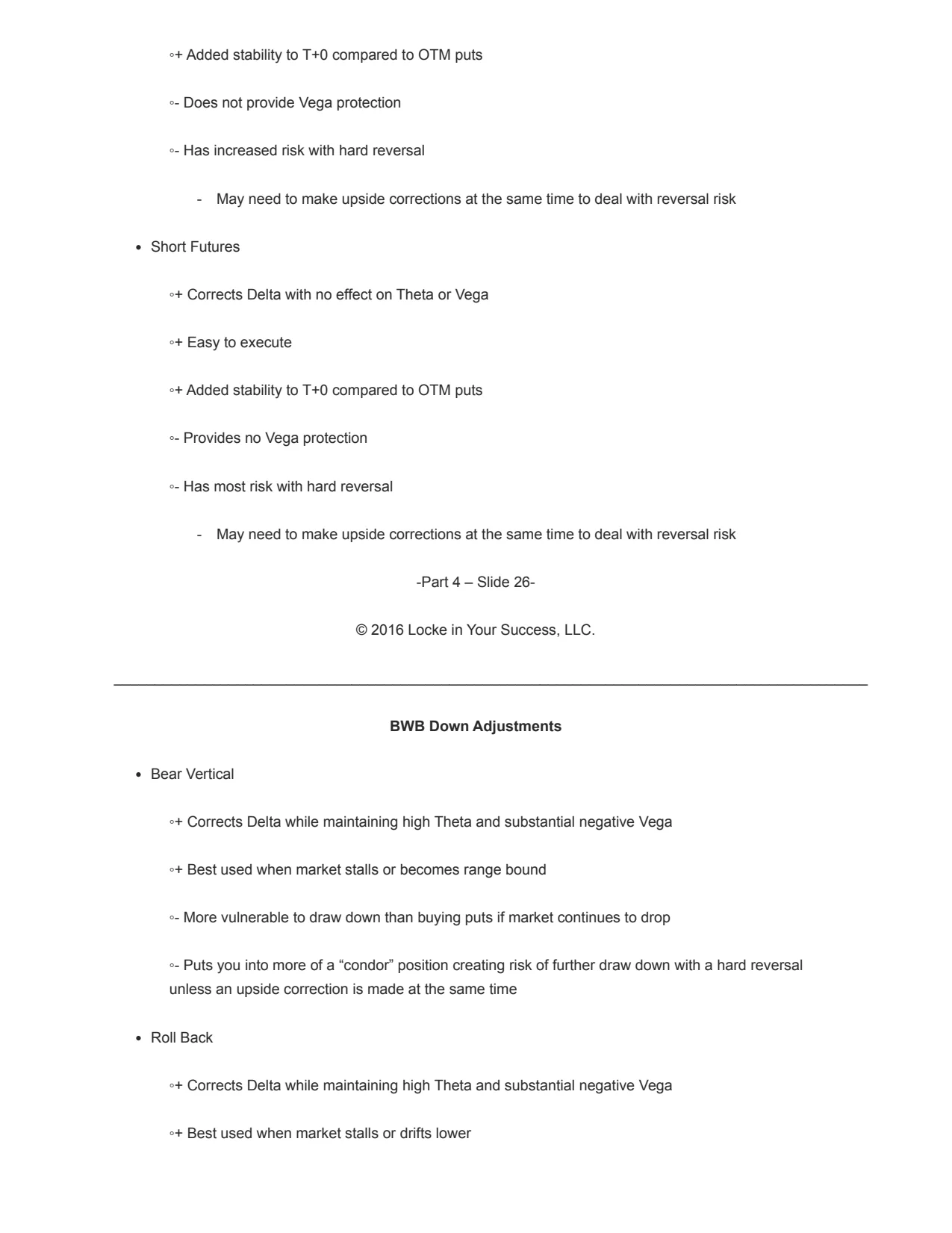
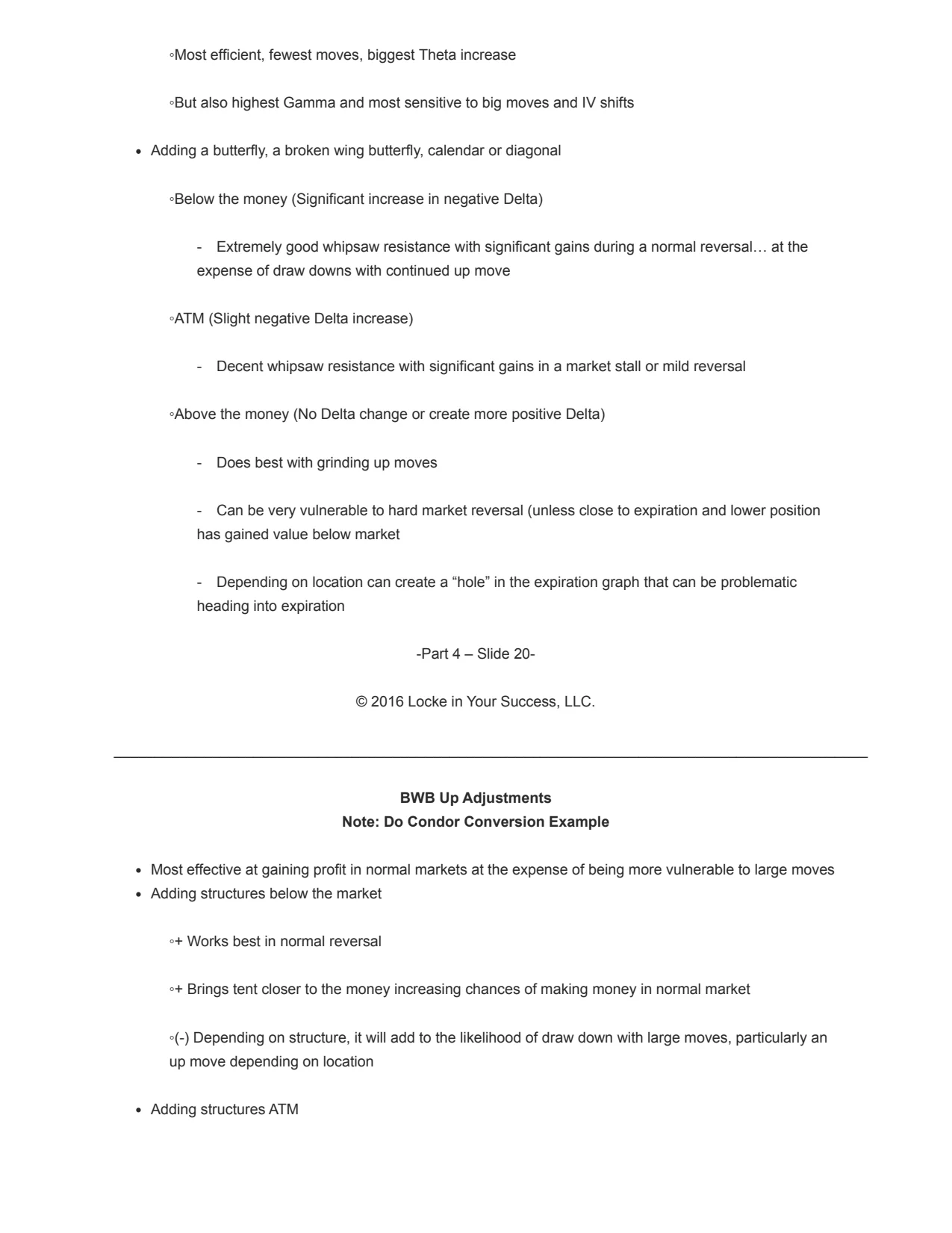
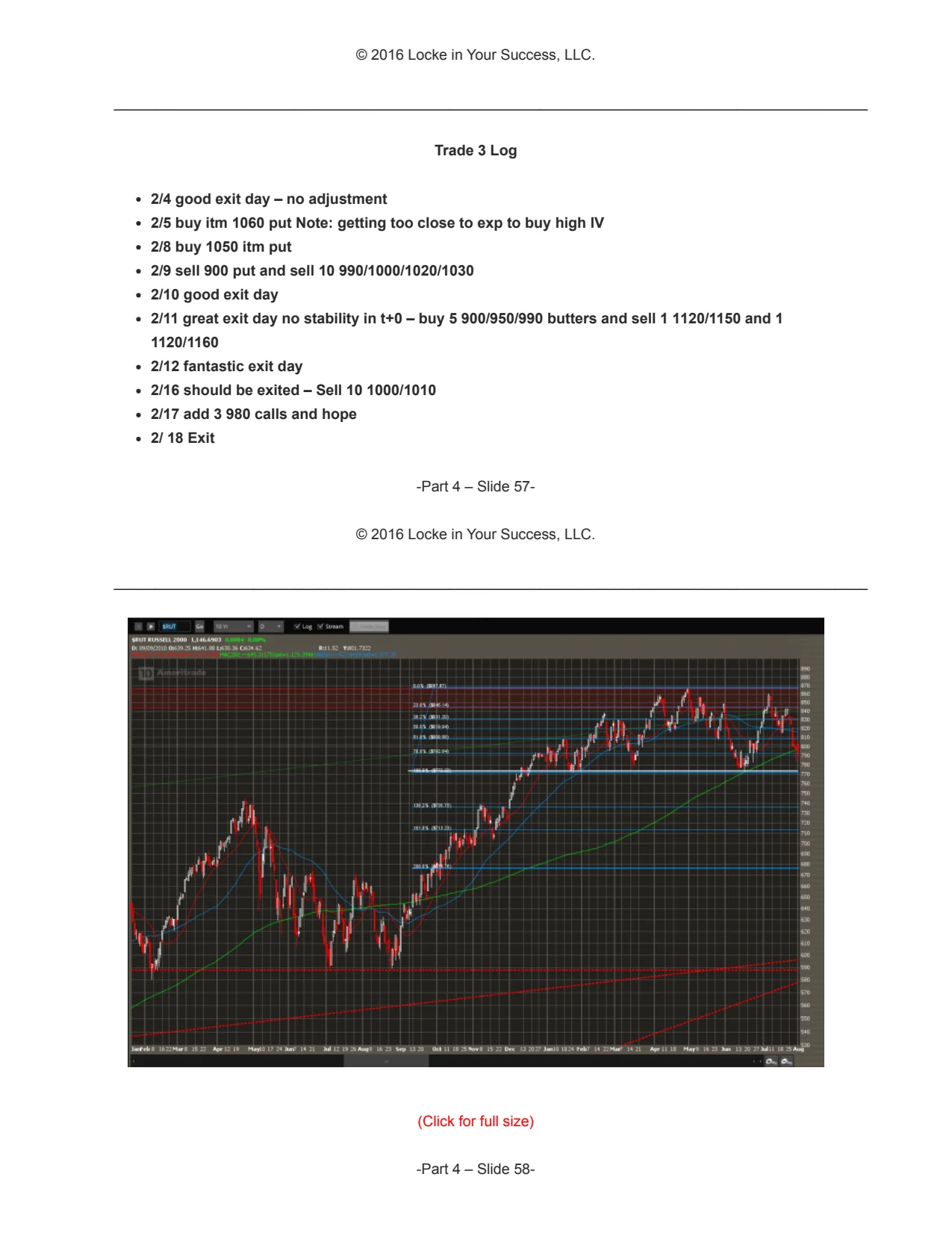

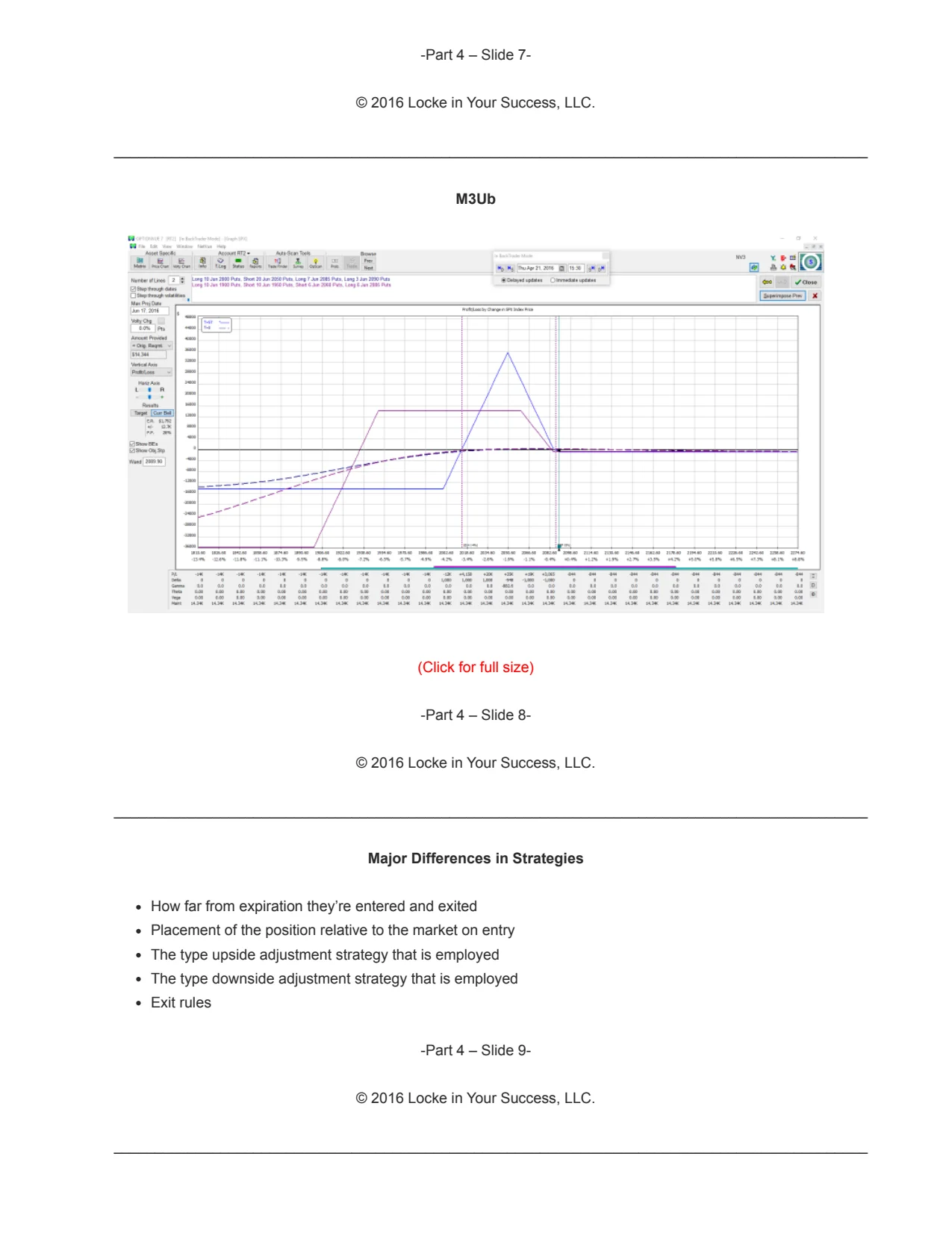
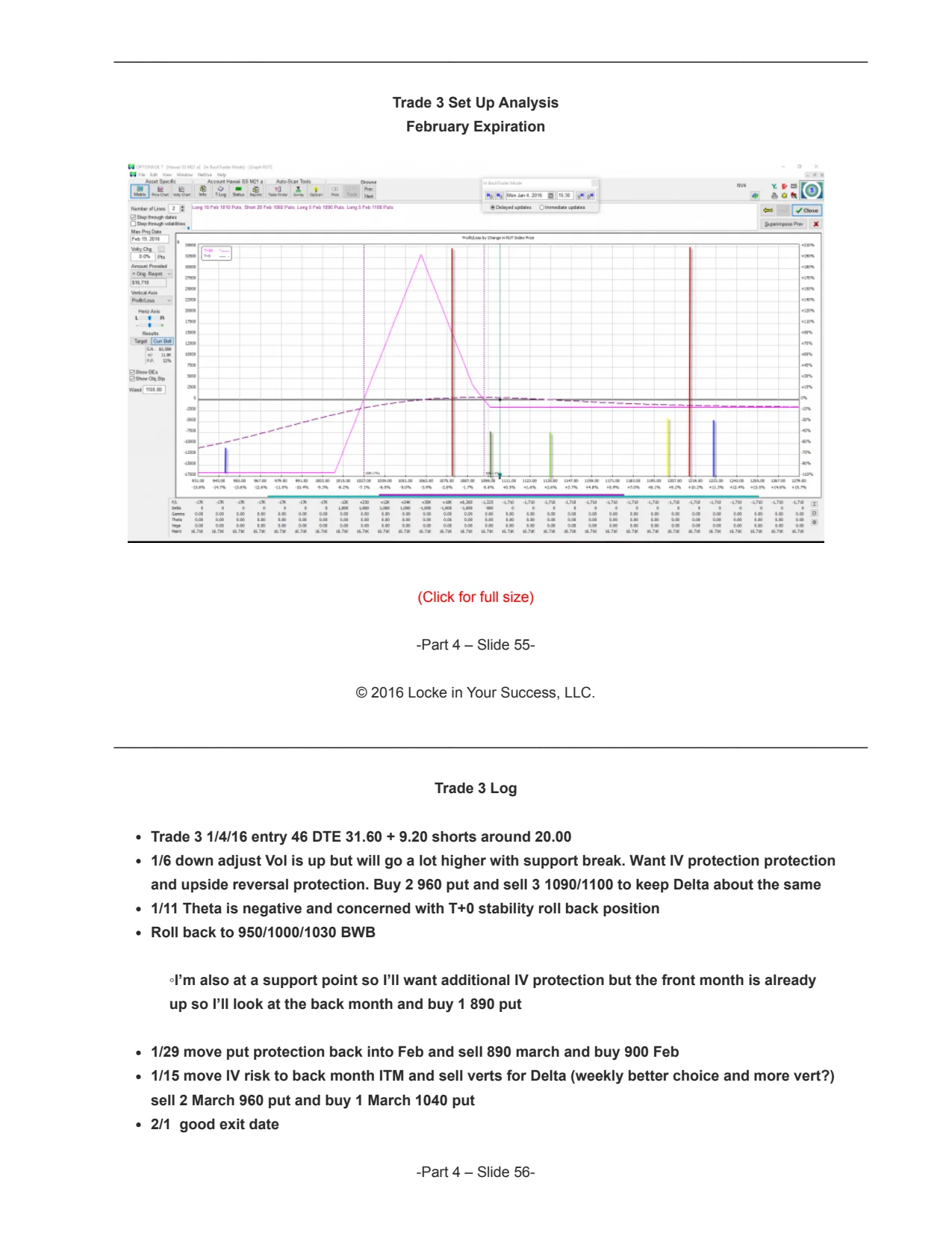
Identify key support and resistance levels, and use them to determine trade setups. If the market breaks support, expect increased volatility and prepare for potential losses. If the market moves up, scale in with a flat delta approach. Set targets based on average speed over a defined time frame (e.g., 30 days at 4 points per day).
Use calendar spreads to manage volatility by moving positions to back months when front-month volatility spikes. This helps stabilize the T plus zero line and reduce exposure to volatility while maintaining upside potential.
02 13:12 Impact of Drawdowns and Trading Strategies
The speaker discusses how drawdowns affect profits and losses, emphasizing the importance of maintaining low drawdowns for effective adjustment strategies. They also explore the limitations of certain trading strategies near expiration and suggest alternatives like adjusting positions or buying puts, highlighting the role of time in trading.
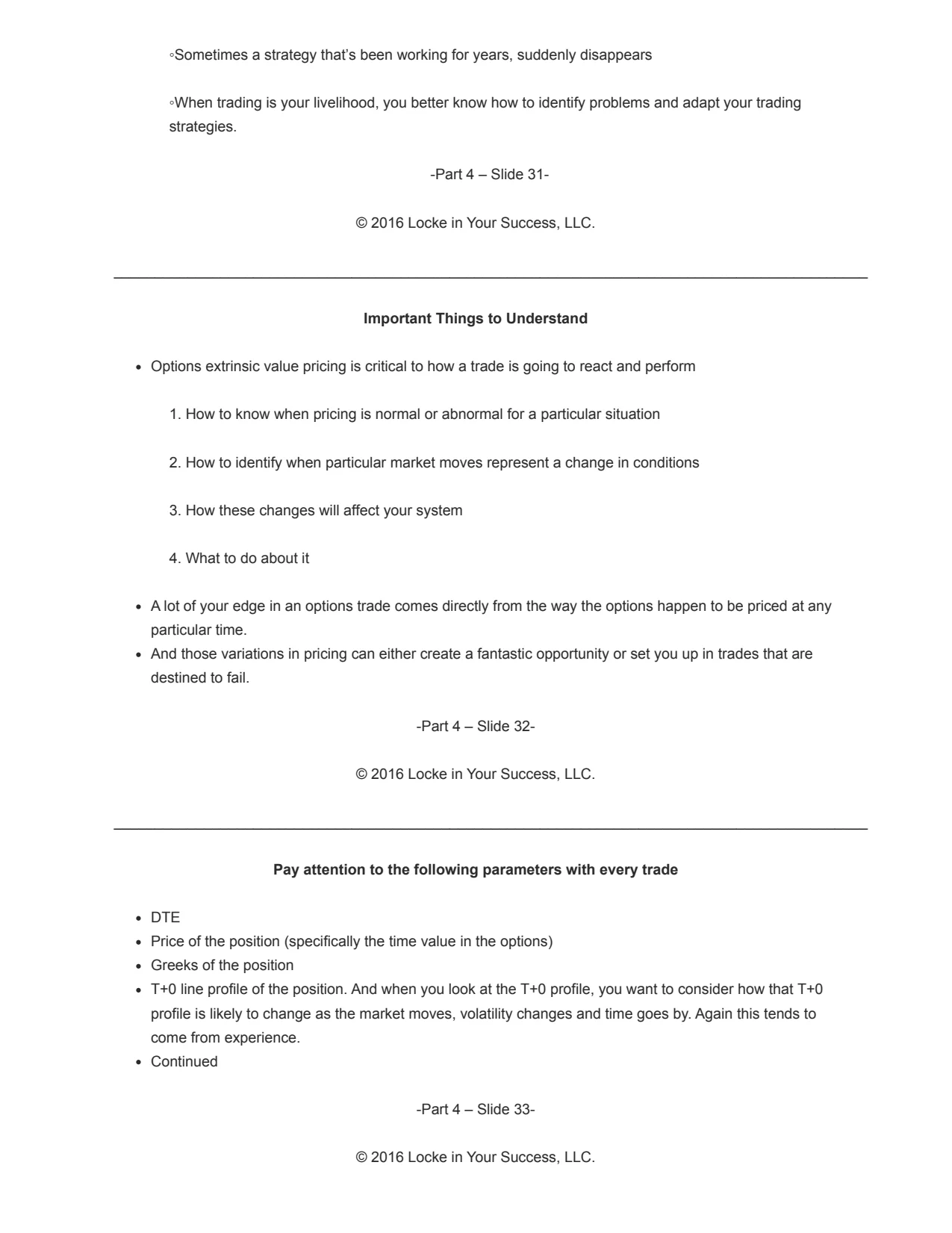
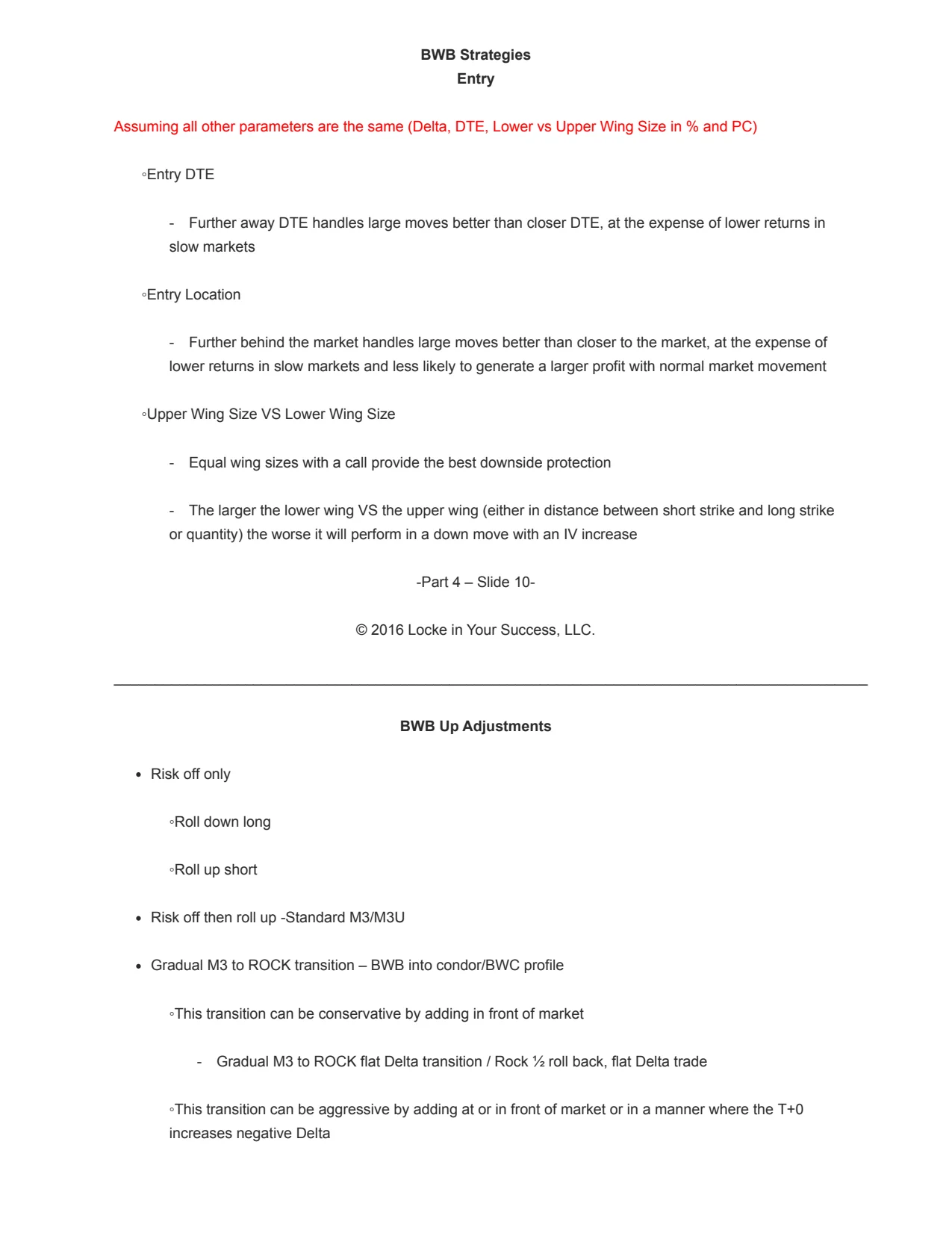
To mitigate drawdowns, implement a gradual condor transition strategy to 'pop the tent' and recover profits. This allows for more trades to be won and reduces drawdowns by adapting to market conditions.
During drawdowns, use structures like calendar spreads or white rhino trades to stabilize positions and maintain profitability in a grinding up market.
03 15:23 Session Closure and Final Remarks
The speaker concludes the session by offering to answer questions, expressing gratitude, and wishing the audience a safe trip home. They mention legal contexts, DVD content, and restrictions on latecomers. The session ends with thank yous, encouragement, and a focus on open knowledge and learning opportunities for successful options trading.

If you're watching the video, don't buy any more... No. I'm kidding.
What I love about you is there is no secret course. There is no secret.