Session overview
The speaker discusses the psychology and business aspects of trading, emphasizing preparedness for market crashes, challenges during market downturns, and the use of strategies like futures and options for risk management. They also cover personal experiences with market volatility, hedging techniques, and the M3 program's approach to trading.
01 1:21 Trading Strategies and Market Volatility
The speaker discusses the psychology and business aspects of trading, emphasizing preparedness for market crashes, challenges during market downturns, and the use of strategies like futures and options for risk management. They also cover personal experiences with market volatility, hedging techniques, and the M3 program's approach to trading.


Most traders are afraid of a market crash, but the reality is that you're much more likely to take a major devastating loss in your account due to a mistake or pushing your trades too hard trying to make a profit or recover from a loss.
Having to rebuy it and then knowing what to do with it when the market actually comes down. Because a lot of people don't do that.
02 12:42 Put Buying and the Role of the Unconscious Mind
The speaker discusses the effectiveness of buying puts as a market strategy, emphasizing the need for knowledge in timing entries and exits. They also explore how the unconscious mind can influence market reactions and risk determination, highlighting its limitations in financial decision-making.
Buying puts to protect a position can be costly, with the speaker estimating that it may cost 100% of one's plant capital in profits over about 16 months.
Fear can cause the rational reasoning center to shut down, leading to irrational decision-making during market crashes.
03 15:49 Market Crashes, Adjustments, and Strategic Reentry
The speaker covers various aspects of market crashes, including inaction strategies, pricing impacts, and support levels. They discuss the importance of adjustments before resistance levels, the role of support points, and the need for exit strategies. The chapter also touches on reentry into the market and the challenges faced by beginners.
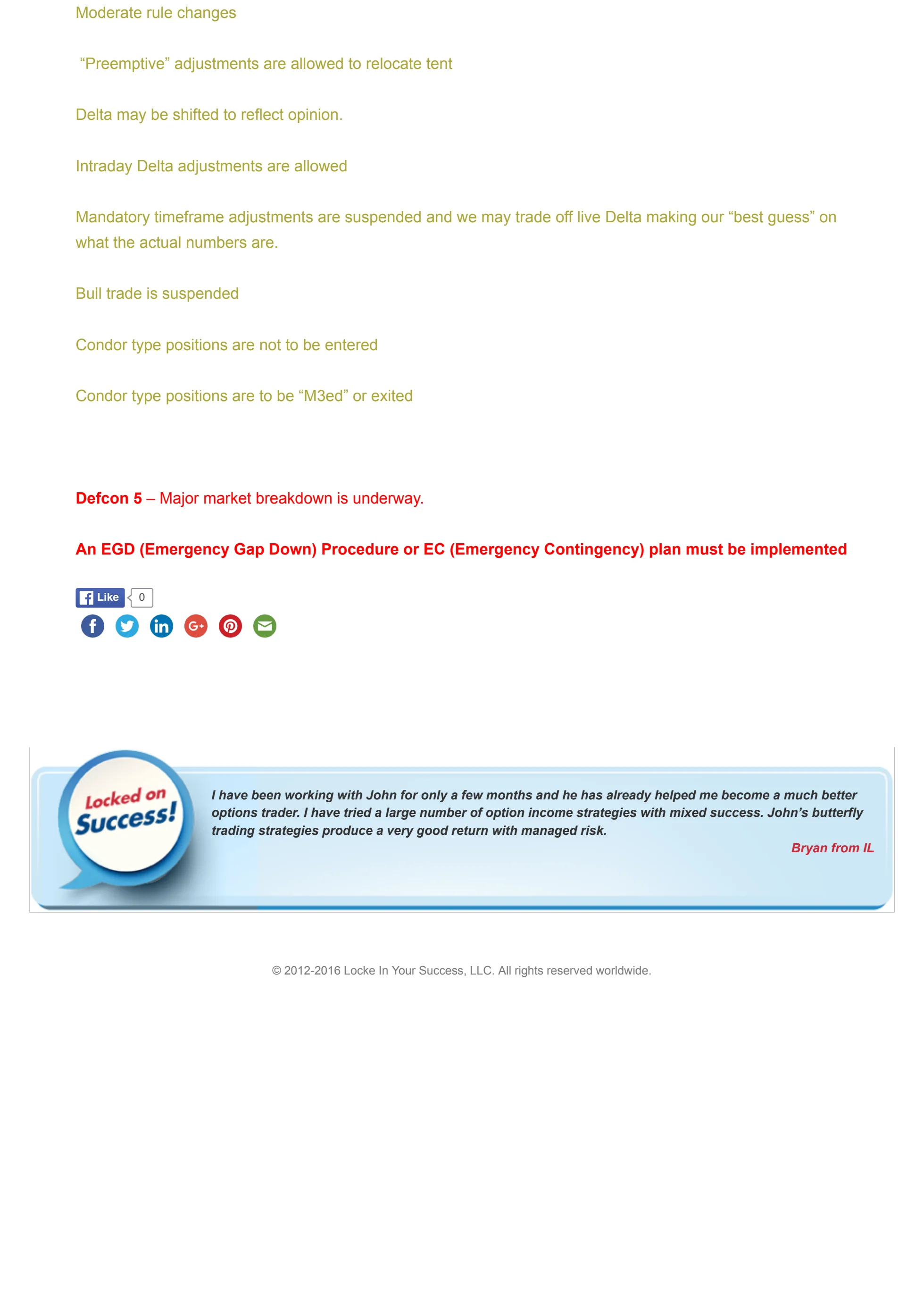
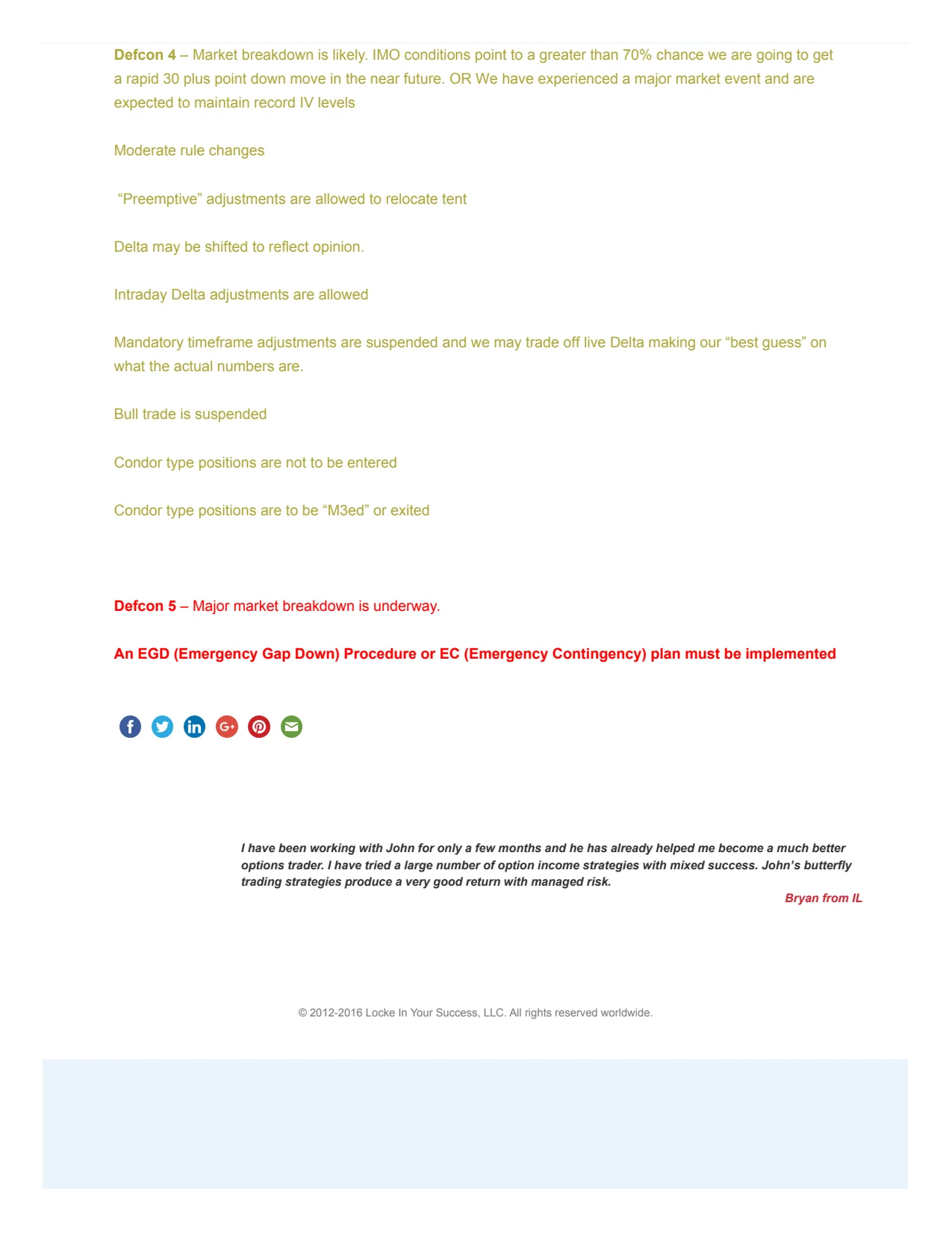
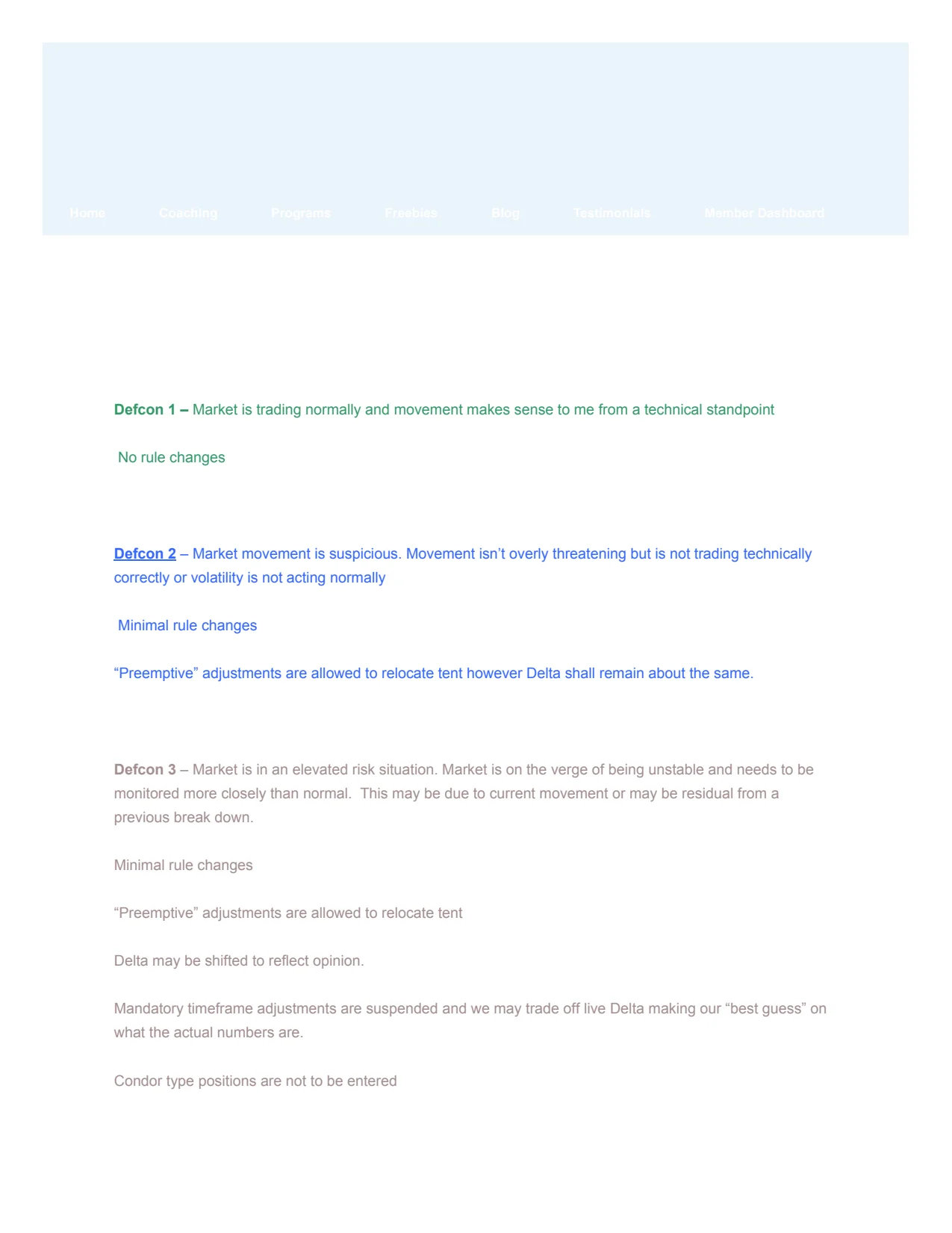
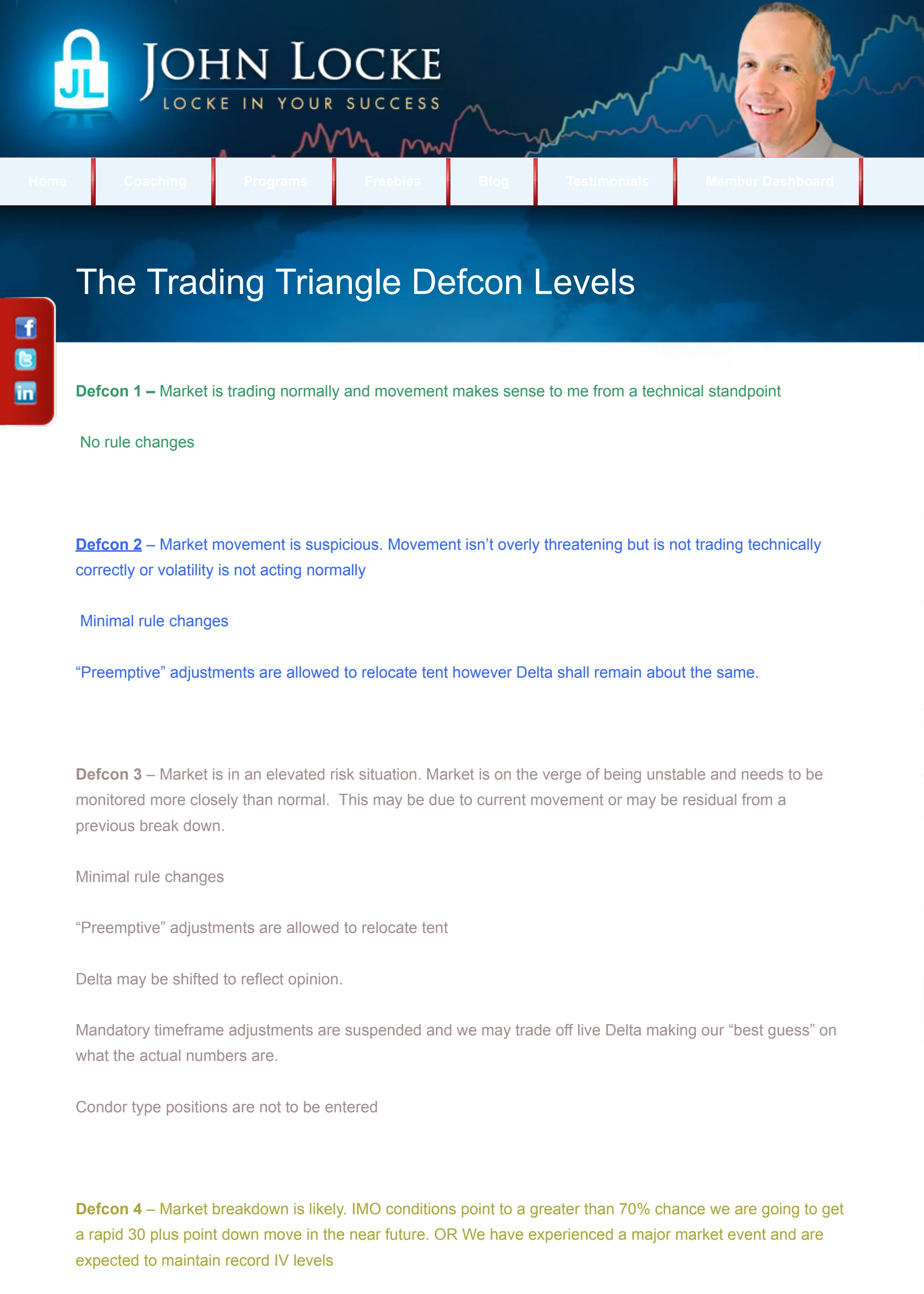
Review market crash scenarios and determine your actions in advance. It is acceptable to do nothing during a crash if the risk is already accounted for.
Make adjustments to positions during market crashes when the market is near key support or resistance levels, rather than waiting for the market to hit those levels.
04 27:14 Market Behavior, Risk Management, and Strategy Implementation
The speaker discusses market behavior, risk management, and position management, emphasizing the importance of staying focused on strategy and understanding the approach to handling trades effectively. They also outline the strategy for managing trades and the need to understand the approach.
When volatility increases and the market moves down, traders should consider rolling back positions or implementing structures with negative Vega to stabilize the T plus zero line. This helps manage risk and maintain a stable position in volatile conditions.
Traders should avoid holding positions that are exposed to excessive volatility without a clear plan for managing risk, as this can lead to significant losses if the market moves against them.
05 30:04 Hedging Strategies, Volatility, and Position Management
The speaker introduces alternative hedging methods, encourages hedging with puts, and discusses free hedges, ratio spreads, and market positions. They also explore volatility's impact on options, the risks of calendar positions, and strategies for managing risk, including broken wing butterflies.
A ratio spread involves selling options at one strike price and buying options at another strike price, typically with the goal of creating a position that has a net cost close to zero. This strategy is effective when the market moves significantly in a particular direction, but it becomes ineffective over time as the market fluctuates.
Hedging should be aimed at protecting the account from loss rather than protecting a specific position from loss. Hedging against account loss is more practical and less expensive than hedging against position loss.
06 40:26 Trading Strategies and Market Conditions
The chapters discuss various trading strategies, including broken wing butterflies and their visual representation, portfolio margining, risk management, hedging strategies, and market movements. The speaker emphasizes the importance of understanding market conditions and the risks associated with different strategies.
Hedging strategies like M3U trades require careful consideration of portfolio margining, as brokers may increase margins or close positions due to risk concerns, especially during volatile periods such as Brexit-related market uncertainty.
Using hedging structures like broken wing butterflies can result in a total portfolio hit if the market moves against the position, despite the intention to profit from market collapses.
07 44:55 Hedging, Risk Management, and Emergency Planning
The chapters cover the cost of hedging, the limitations of hedging strategies, the importance of risk management, and the need for emergency planning. The speaker discusses the effectiveness of hedging, the risks of large trades, and the importance of having backup systems and emergency plans in trading.
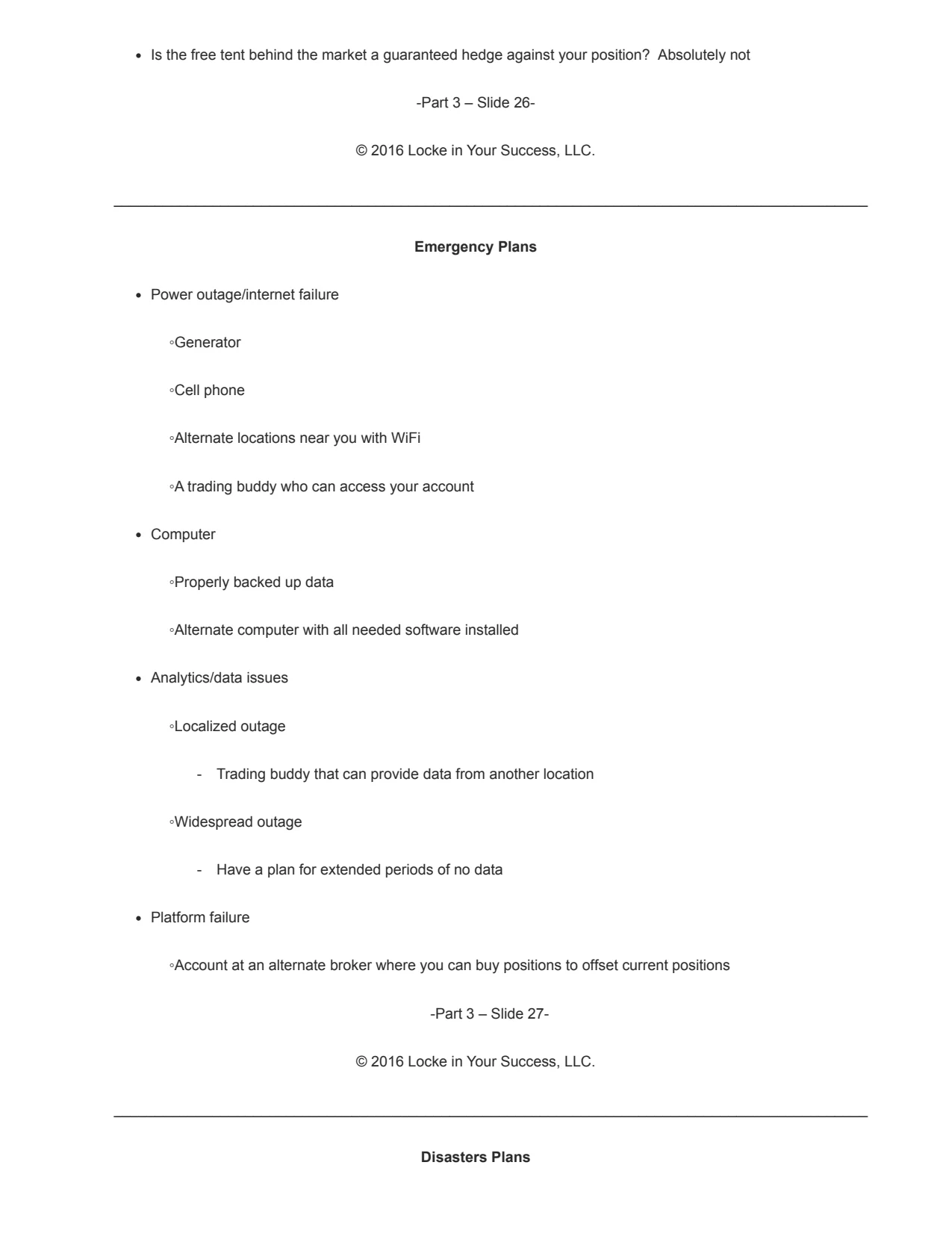
Anything that's like a free hedge, it's not really free. It's costing you money.
Is it a bad trade? I mean, no. It's fine, right? It's fine for a trade. Is it a good hedge? I don't think so. I mean, not for me. I just don't, I just don't, I just don't see it working for me.
08 52:53 Data Sources, Platform Failures, and Contingency Planning
The speaker discusses the importance of having multiple data sources and backup platforms to mitigate the risk of platform failures. They also mention the need for alternative brokers to offset positions and highlight other risks such as extended periods without data, emphasizing the importance of having contingency plans.
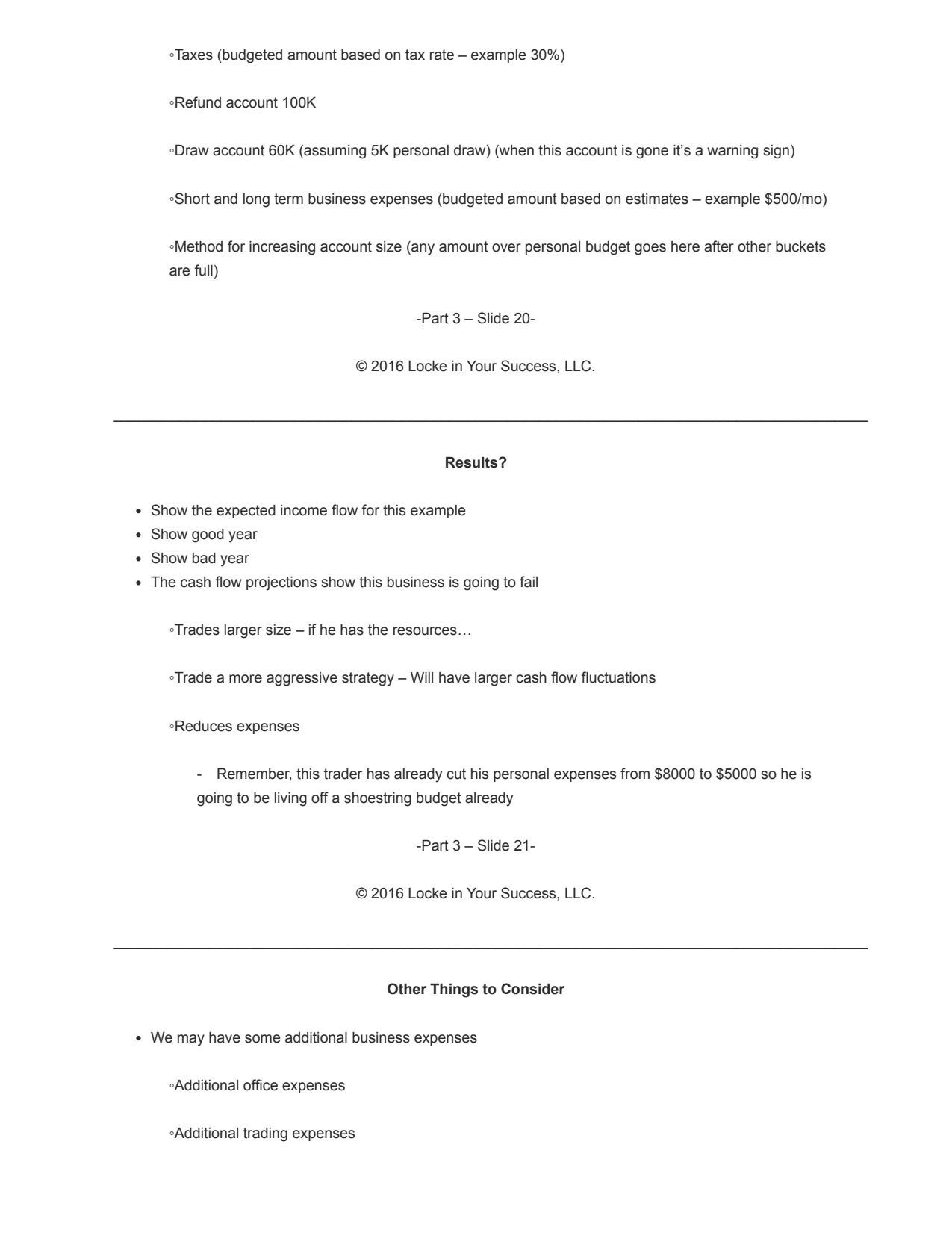
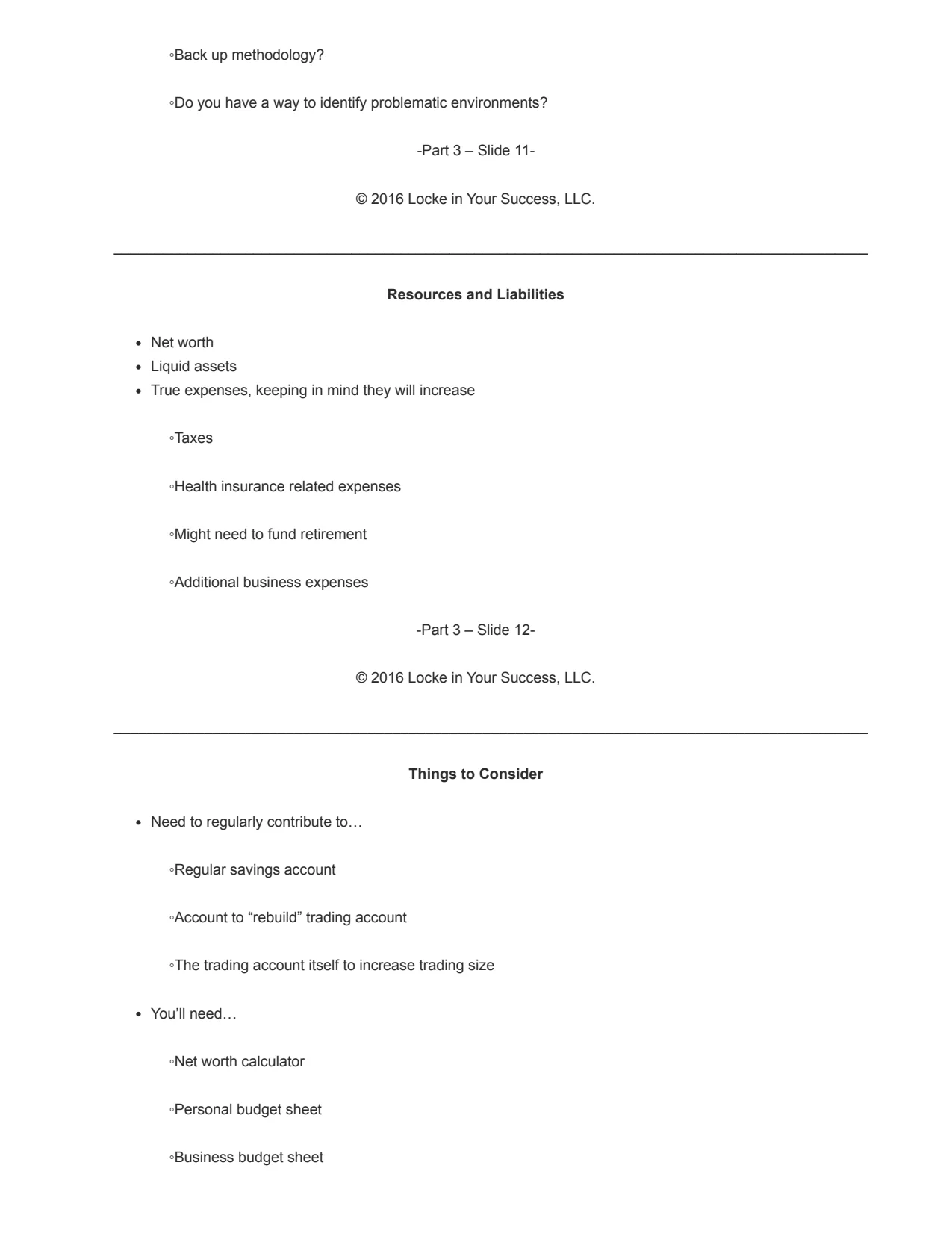
To protect against platform failures, use multiple data sources and brokers. If one broker fails, use an alternative broker to offset positions, such as buying a put on a position if the original broker goes down.
Adjust positions gradually to avoid risks associated with order execution failures, such as computer downtime or network issues.
09 56:51 Human Behavior, Risk Management, and Backup Strategies
The speaker addresses human behavior and risk-taking, emphasizing that losses are more likely due to mistakes or risky behavior rather than market crashes. They also discuss the importance of respecting trading decisions and implementing backup strategies, including regular backups, cost considerations, and disaster recovery plans.
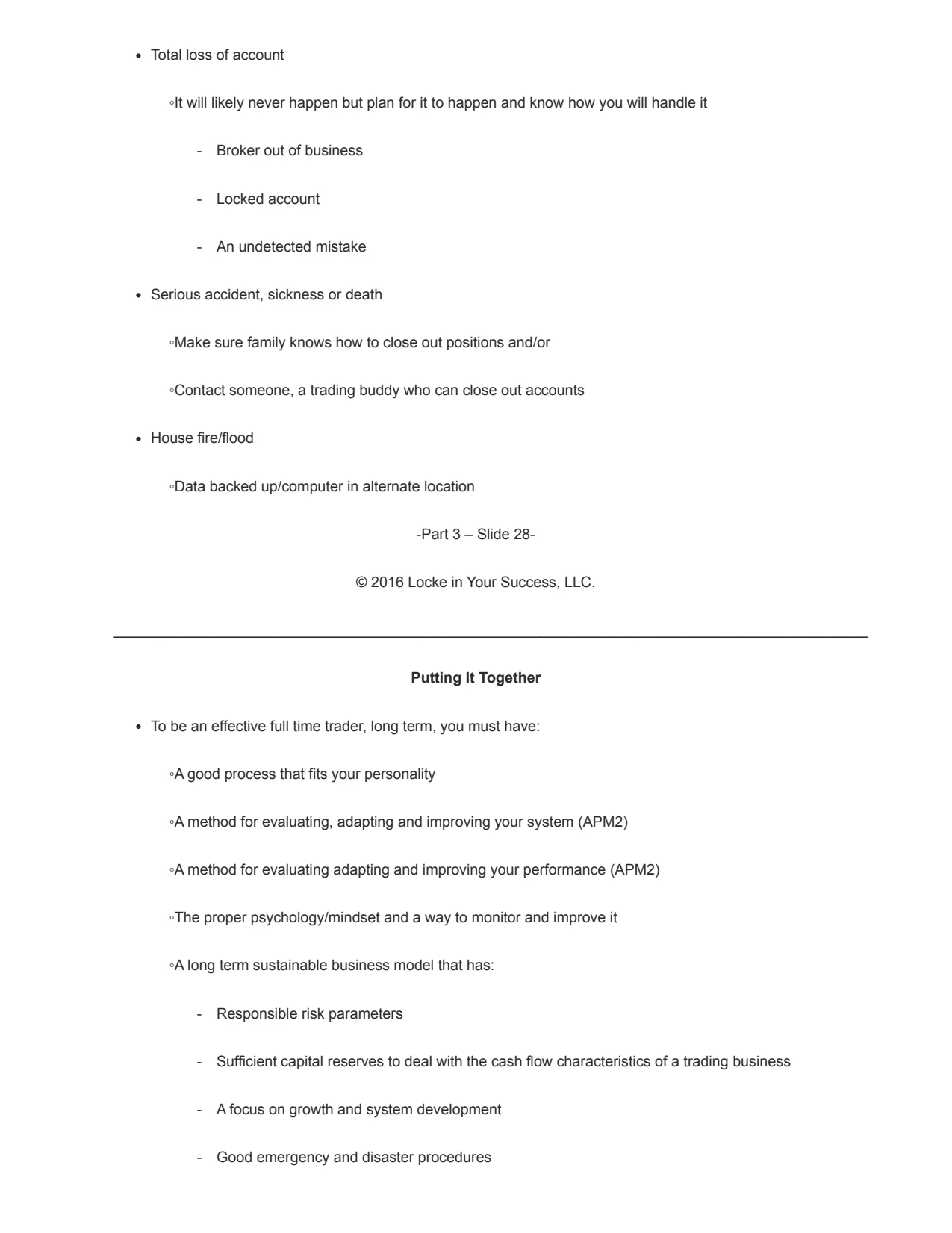
Humans are prone to taking risks that are not in their original plan, often leading to significant losses. This behavior is not limited to others but also applies to oneself.
Use an external hard drive to create a system image of your computer and store it in a safety deposit box at a local bank. Additionally, use cloud storage and a backup service like CrashPlan for continuous protection.