Session overview
The speaker introduces the interactive presentation and expresses gratitude to participants. They reflect on their journey in trading, including early experiences, self-directed learning, and the influence of mentors. The discussion covers strategies, best practices, and the importance of psychology in trading.
01 1:17 Presentation and Trading Background
The speaker introduces the interactive presentation and expresses gratitude to participants. They reflect on their journey in trading, including early experiences, self-directed learning, and the influence of mentors. The discussion covers strategies, best practices, and the importance of psychology in trading.
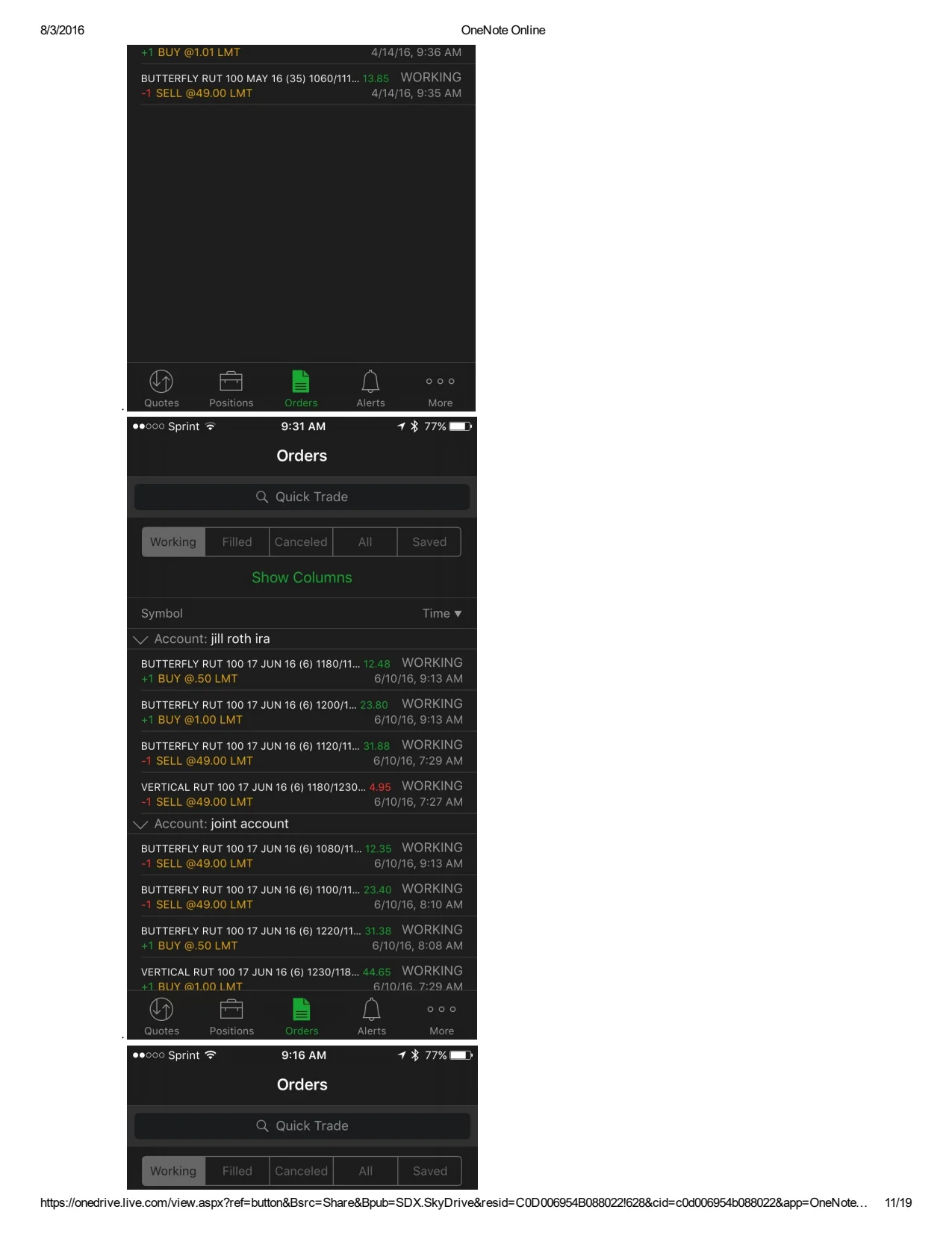

Traders should structure their trading activities around their personal lifestyle and priorities, ensuring that trading does not interfere with essential life activities or personal time.
Traders should establish a trading schedule that aligns with their personal life, ensuring that trading activities are conducted during times when they are most alert and focused.
A strong mindset, similar to that discussed by Mark Douglas and John, is not just beneficial but essential for trading success. It is the foundation that brings all other aspects of trading together.
02 12:58 Mindset, Psychology, and Psychological Challenges in Trading
The speaker discusses the importance of mindset and psychology in trading, referencing Mark Douglas and John's interview. They emphasize the psychological challenges traders face, particularly for new traders who often prioritize making money over psychological aspects.
A strong mindset, similar to that discussed by Mark Douglas and John, is not just beneficial but essential for trading success. It is the foundation that brings all other aspects of trading together.
The psychological aspect of trading is often overlooked by beginners who are focused on learning how to make money. However, once a trader understands how to make money, the psychological component becomes crucial.
03 15:18 Accountability, Learning, and the Nature of Trading
The speaker talks about the role of accountability in trading, how contests help in learning and community growth, and the psychological barriers traders face. They also discuss the nature of trading as a coin flip and the concept of having an edge, contrasting it with traditional career paths and societal expectations.
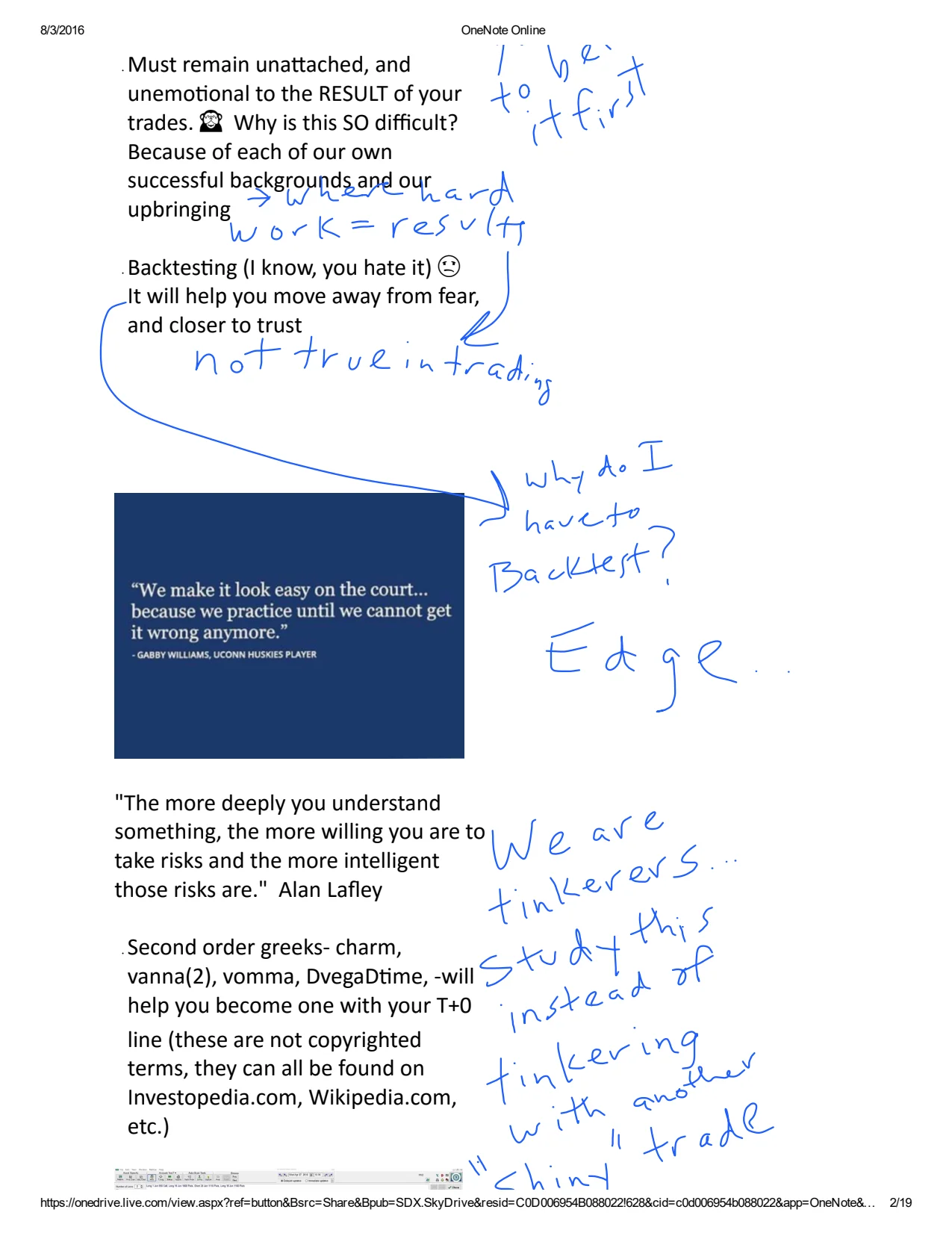
Backtesting is a method used to prove to oneself that a trading strategy works and can handle losses. It helps traders move away from fear and closer to trust in their strategies.
Participating in trading contests or groups increases accountability, which accelerates learning and improves discipline by exposing traders to real money and peer scrutiny.
04 26:38 Practice, Market Analysis, and Engagement
The speaker discusses the importance of consistent backtesting and practice in developing muscle memory and understanding trade nuances, leading to intelligent risk-taking. They also transition to a more engaging and fun topic to maintain audience interest.
The more you backtest something, the more you practice, and get that muscle memory, the more deeper you're going to understand the nuances of whatever trade you pick out.
Intelligent risks are taken when the strategy has been backtested and understood.
05 29:15 Options Pricing, Greeks, and Trading Mastery
The speaker introduces M3 and options pricing concepts, discussing the role of Greeks (delta, theta, Vega) in options pricing. They explore how factors like time, volatility, and charm affect delta and options behavior. The speaker also addresses the importance of deep understanding for trading mastery while acknowledging the possibility of trading without complex knowledge.
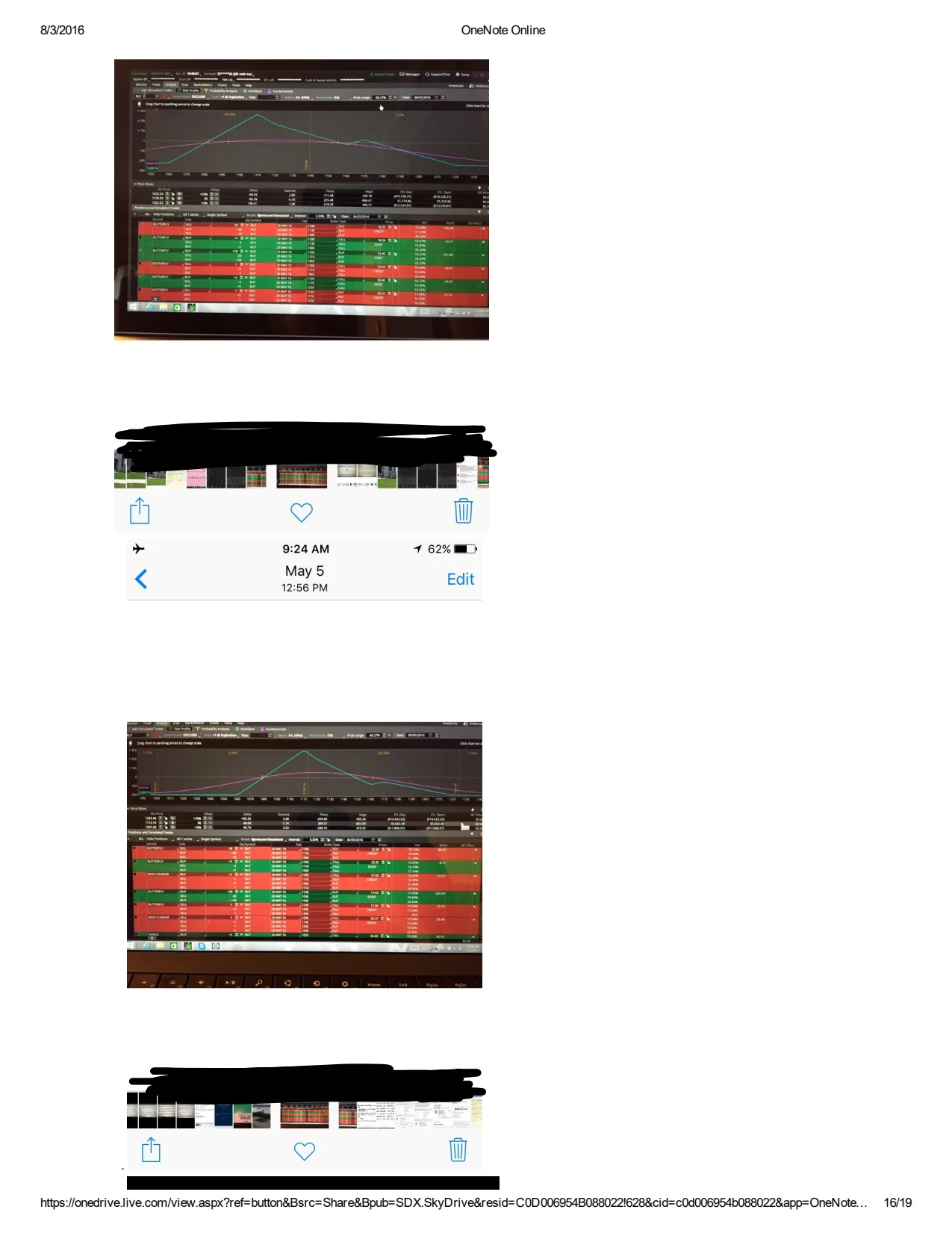
When analyzing an M3, consider how volatility changes affect the T plus zero line. If volatility increases, the T plus zero line shifts down, and your delta becomes more positive. This helps in understanding why the T plus zero line behaves as it does, rather than making unnecessary adjustments. Use software like Option View to project the T plus zero line, but avoid relying solely on it.
Avoid using software like Option View as a crutch for making market adjustments. Instead, develop an understanding of how the T plus zero line behaves in different market conditions. This helps prevent over-reliance on technology and promotes a more informed trading approach.
06 41:14 Understanding Trade Execution and Vega Concepts
This chapter covers the importance of understanding trades for effective execution, the use of second-order Greeks for trade evaluation, model confidence analysis, and an introduction to Vega and its relationship with volatility. It emphasizes preparation, model analysis, and the impact of volatility on Vega.
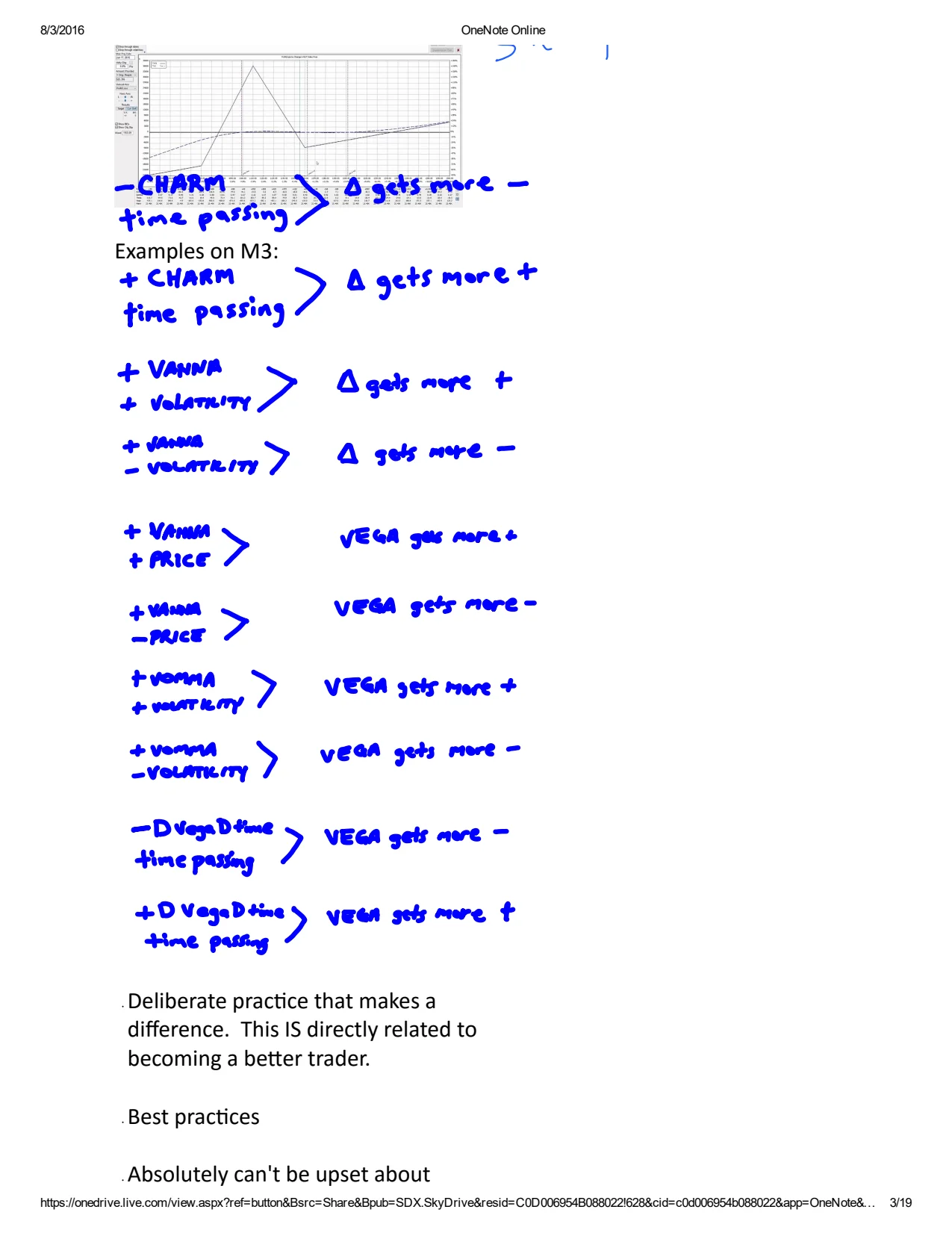
You must thoroughly understand the trade and how you will react to adverse scenarios to ensure smooth execution. This preparation allows you to act decisively without scrambling during trade execution.
Second order Greeks refer to the sensitivity of an option's delta to changes in underlying price or volatility, providing insights into the strengths and weaknesses of a trade.
07 44:58 Trading Efficiency, Costs, and Volatility Analysis
This chapter discusses the importance of reviewing trades and productivity, the cost of doing business in trading and business operations, personal trading habits and their impact on family life, and the analysis of volatility and straddles for market price prediction. It highlights the need for efficiency, habit change, and understanding market volatility.
If you have an hour to pre-adjust your trades, review the video on Second Order Greeks instead of engaging in less productive activities.
Deliberate practice and backtesting are directly proportional to becoming a better trader.
08 53:36 Straddles, Market Move, and Trading Discipline
The chapter begins with an explanation of straddles and how they determine market range. It then shifts to the importance of note-taking and daily review for trading improvement, followed by advice against instant market watching and the need for trading discipline.
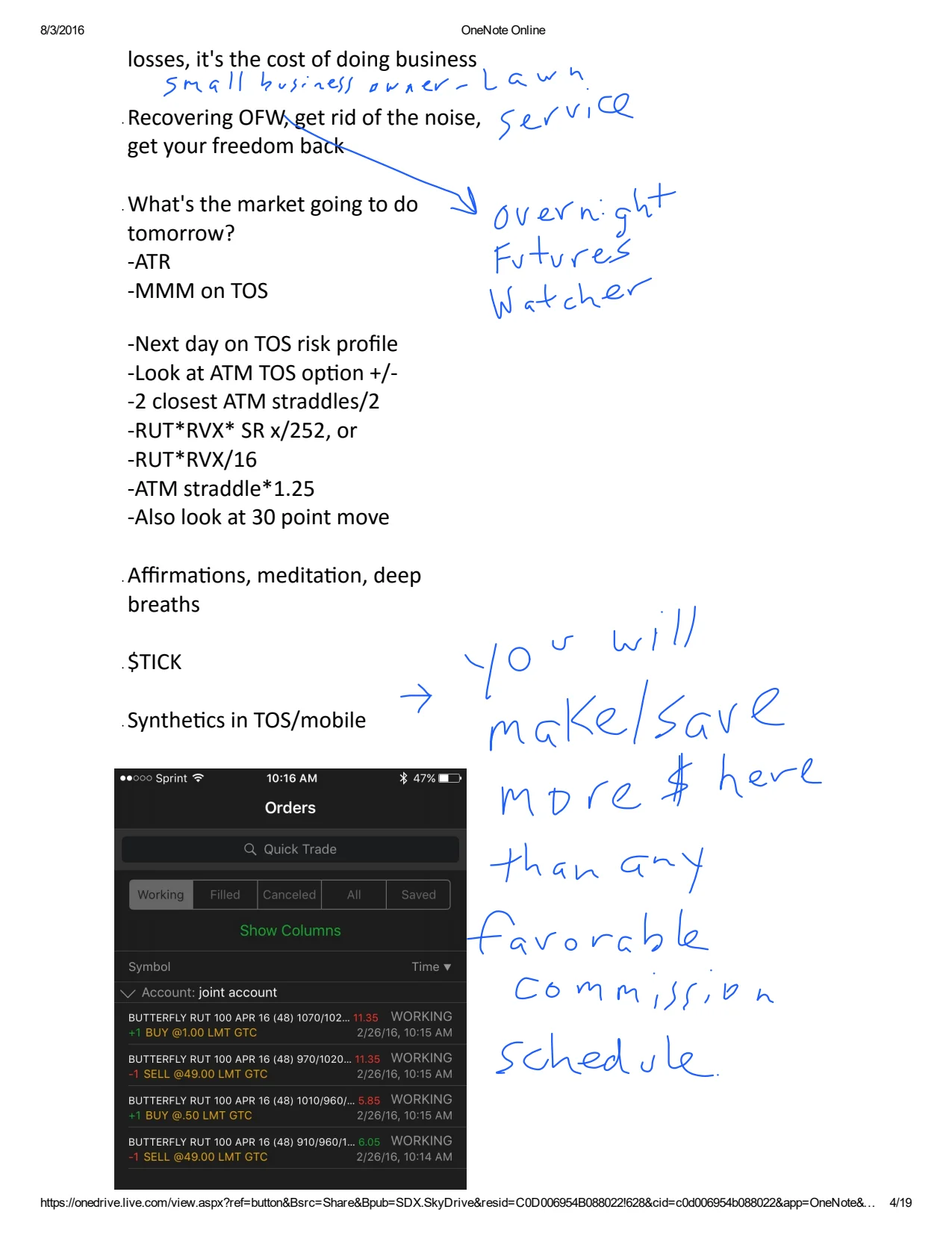
To estimate the market move priced in by a straddle, take the two closest strike prices, divide by two, and use that as the range. For a standard deviation move, multiply the Russell index by the RVX as a percentage, then multiply by the square root of (1/252) or approximately 15.89 (rounded to 16). For a one-day move, divide the Russell index by 16.
The dollar sign tick on the NYSE indicates buying or selling pressure. Values above +400 or below -400 suggest significant pressure, with +400 meaning 400 more stocks are being bid up than sold, and -400 meaning 400 more stocks are being offered at lower prices than bid up.
09 59:18 Trade Execution, Timing, and Price Advantage
This chapter covers trade execution timing, the importance of favorable prices, and the impact of commissions. It also touches on cumulative tick analysis and how it can be used to interpret market trends and divergence.
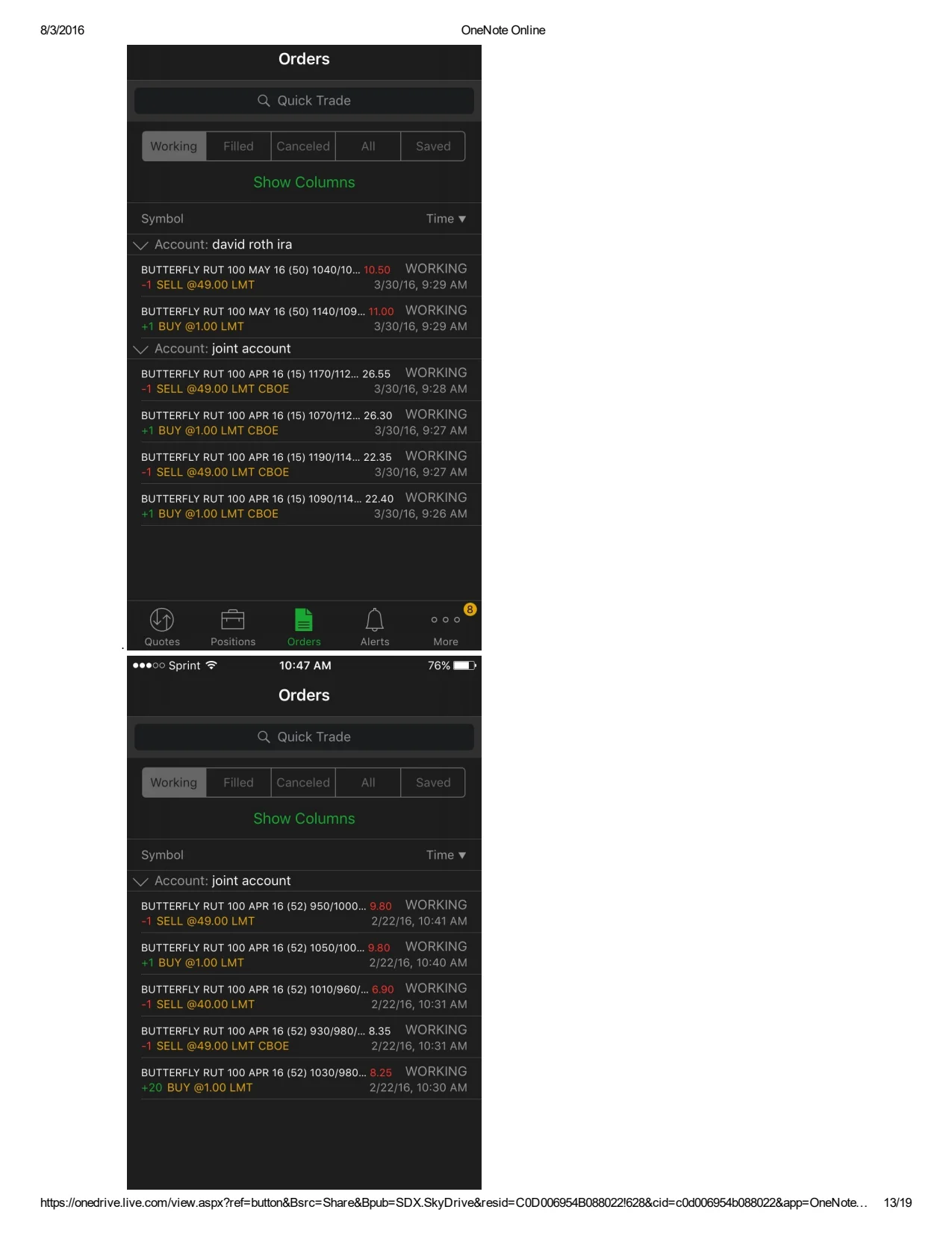
Use cumulative tick analysis by plotting the net tick on different time scales (e.g., 1 minute, 5 minutes, 15 minutes) to identify market trends and divergence. Compare cumulative ticks across indices like NYSE, S&P 500, RUT, and NASDAQ to determine if the market is trending or volatile.
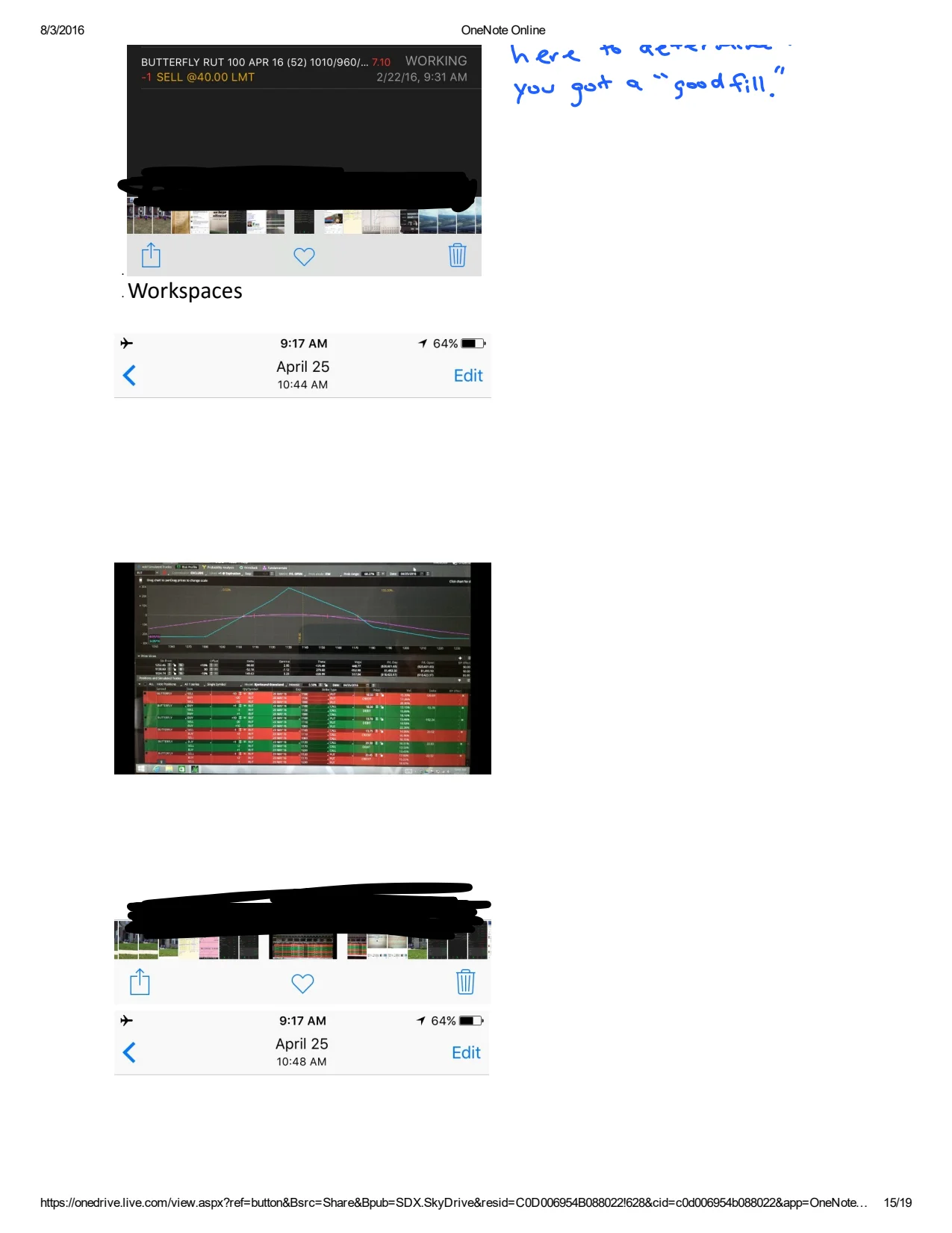
Traders should prioritize getting favorable prices when entering and exiting trades, as the cost of unfavorable prices can outweigh the impact of commissions.
10 1:08:05 Butterfly Strategies and Profit Making
The speaker discusses butterfly strategies, specifically the iron butterfly, and explains how to make profits through price differences by selling and buying calls.
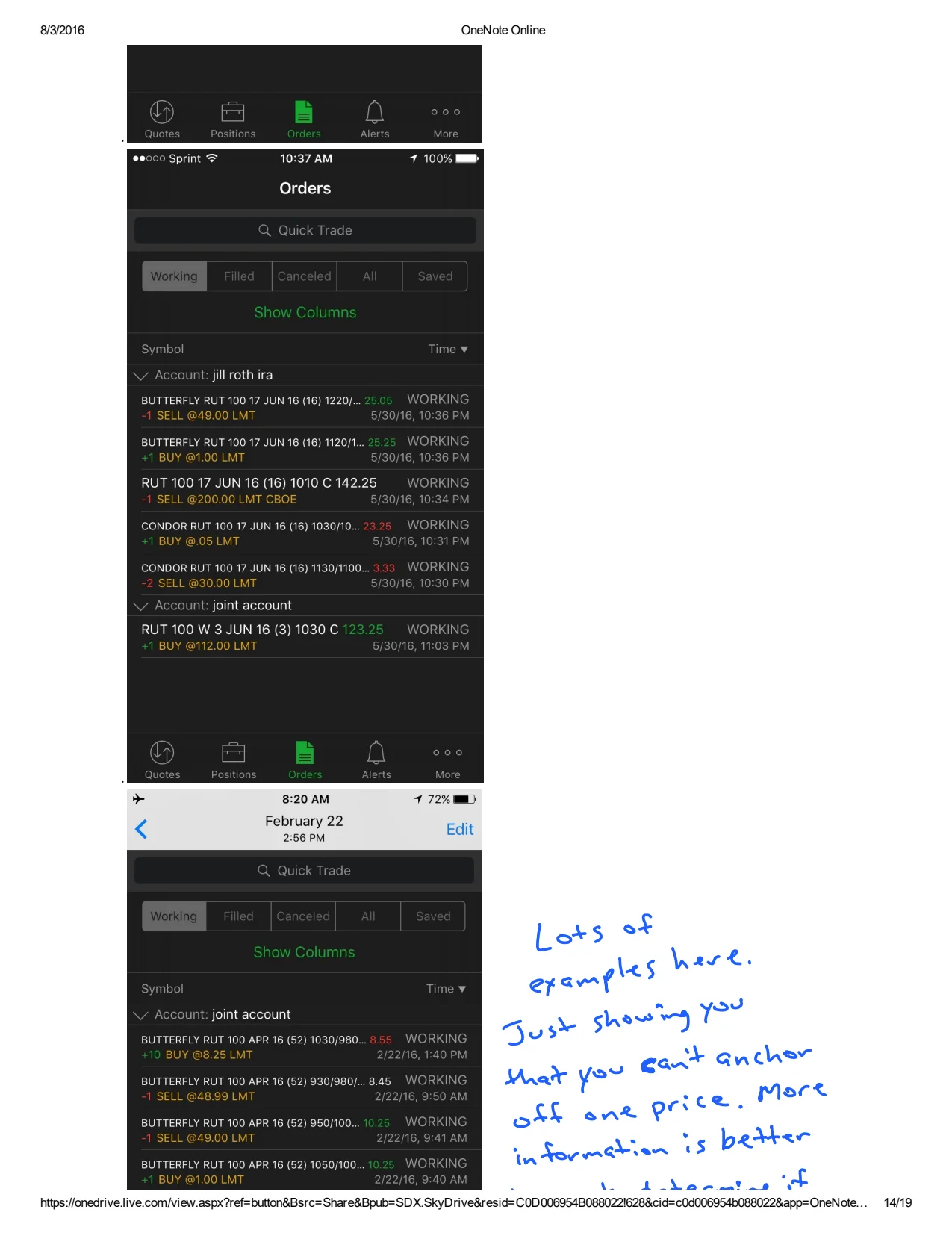
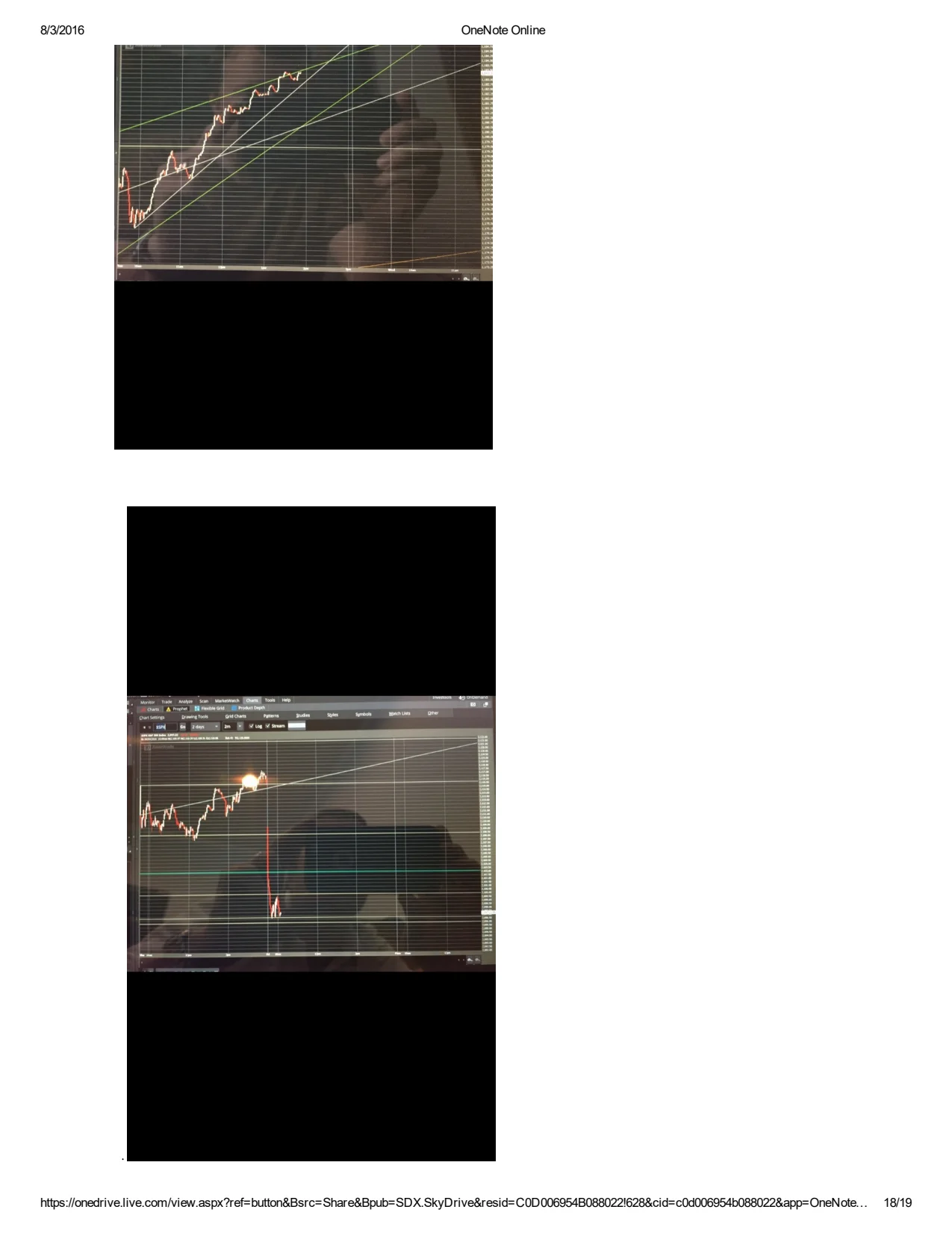
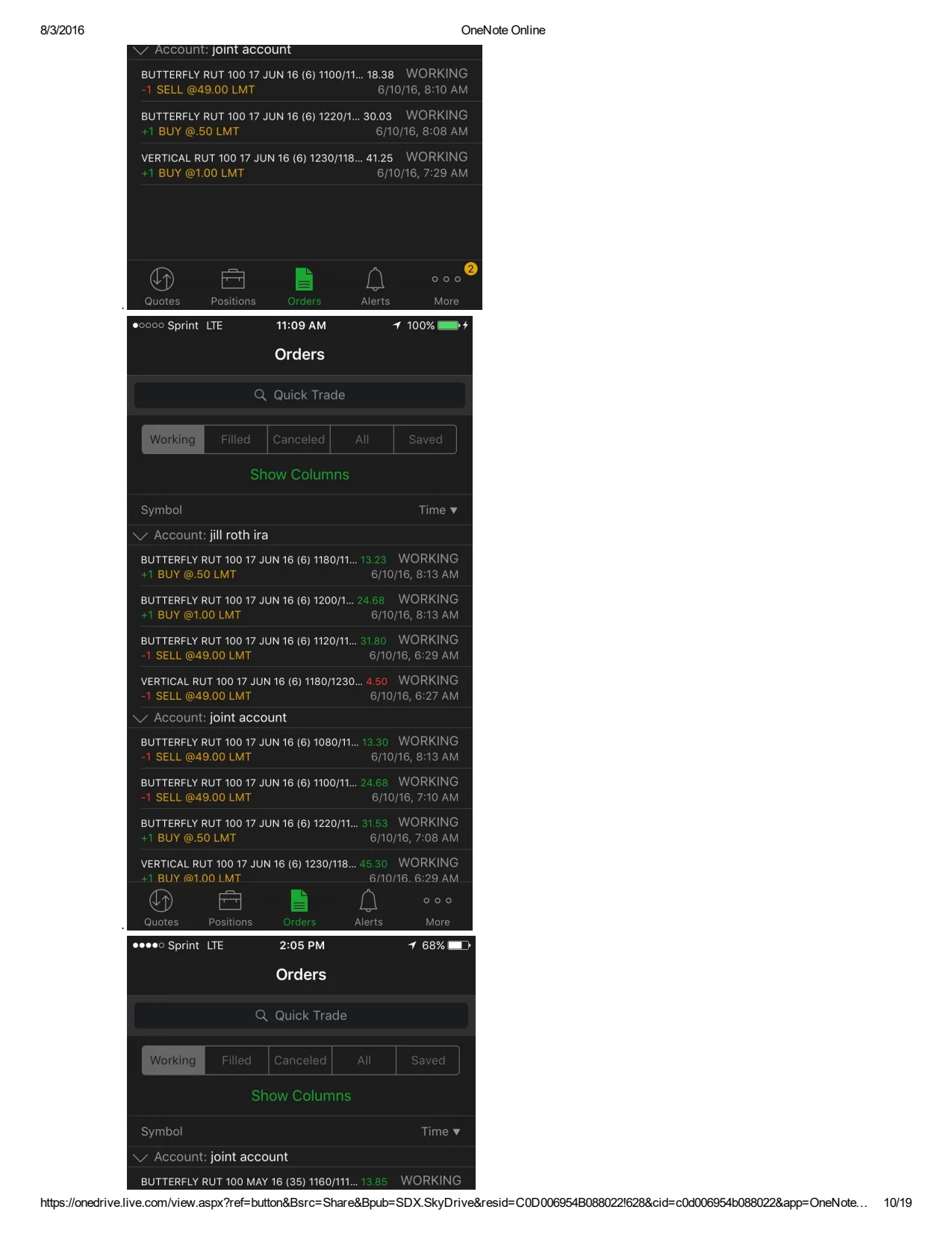
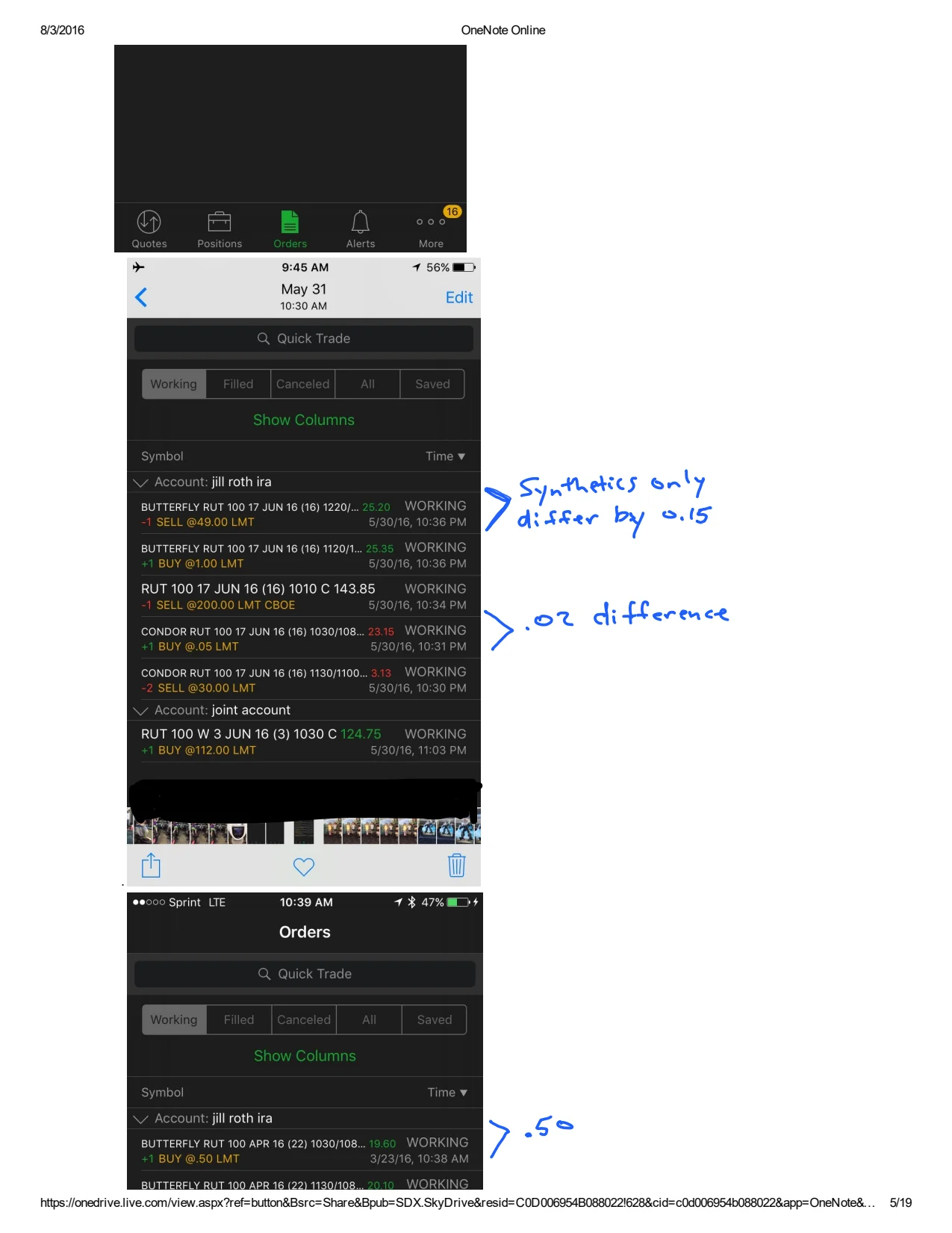
Traders can identify similar prices by observing the spread between strike prices in options strategies like iron butterflies. The iron butterfly price is often found between the prices of the underlying call and put options, and traders can use this to make informed decisions about buying or selling.
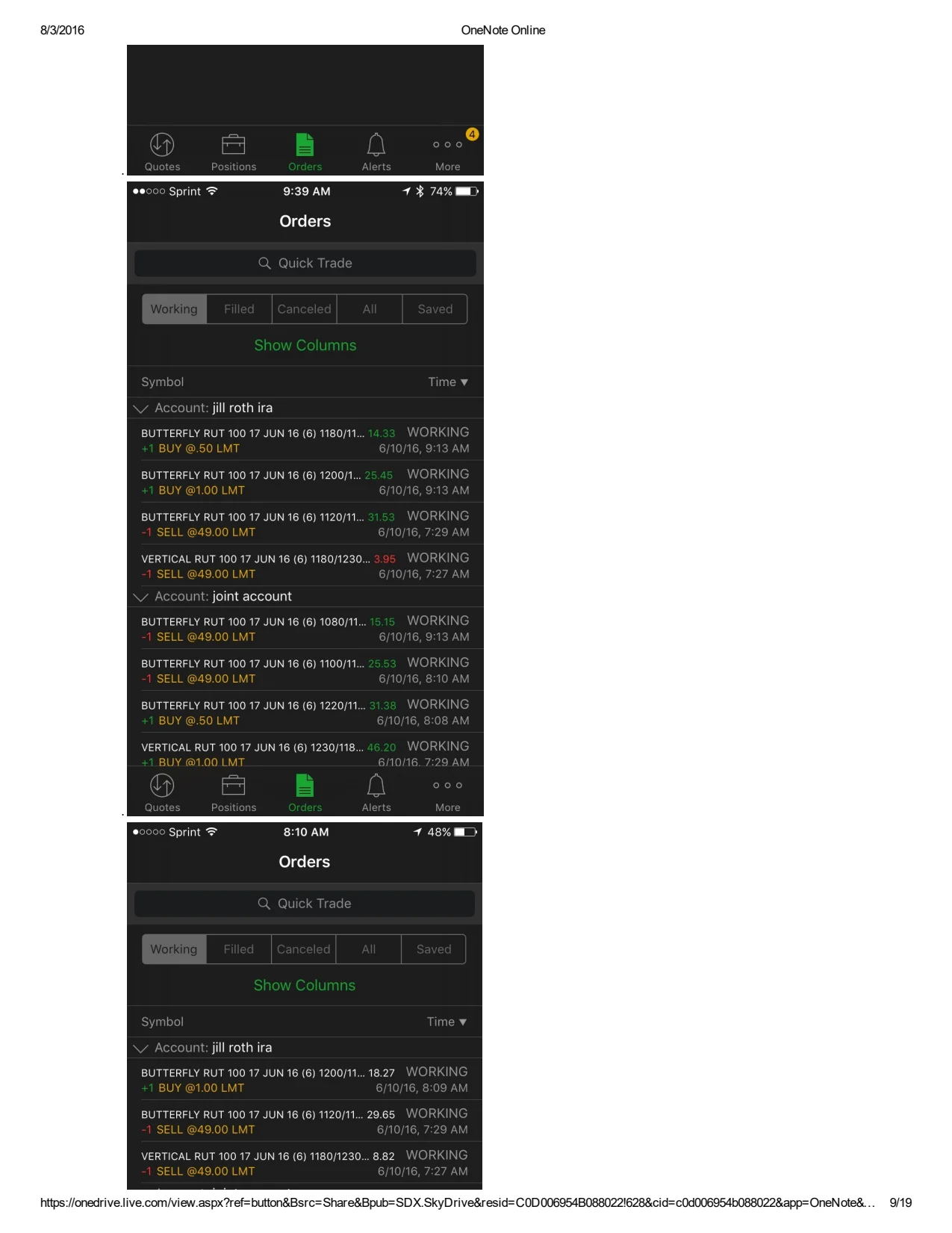
Traders can monitor price trends by checking the prices of their trades at regular intervals, such as every 30 minutes, to make adjustments as needed. This helps in understanding how prices are trending and whether an adjustment is necessary.
11 1:10:55 Fair Price Analysis and Trading Adjustments
The speaker discusses fair price determination using synthetics, simulated trades, adjustments, and platform position analysis. They also cover trade rollbacks, P&L tracking, and market analysis, including support points and technical mindset.
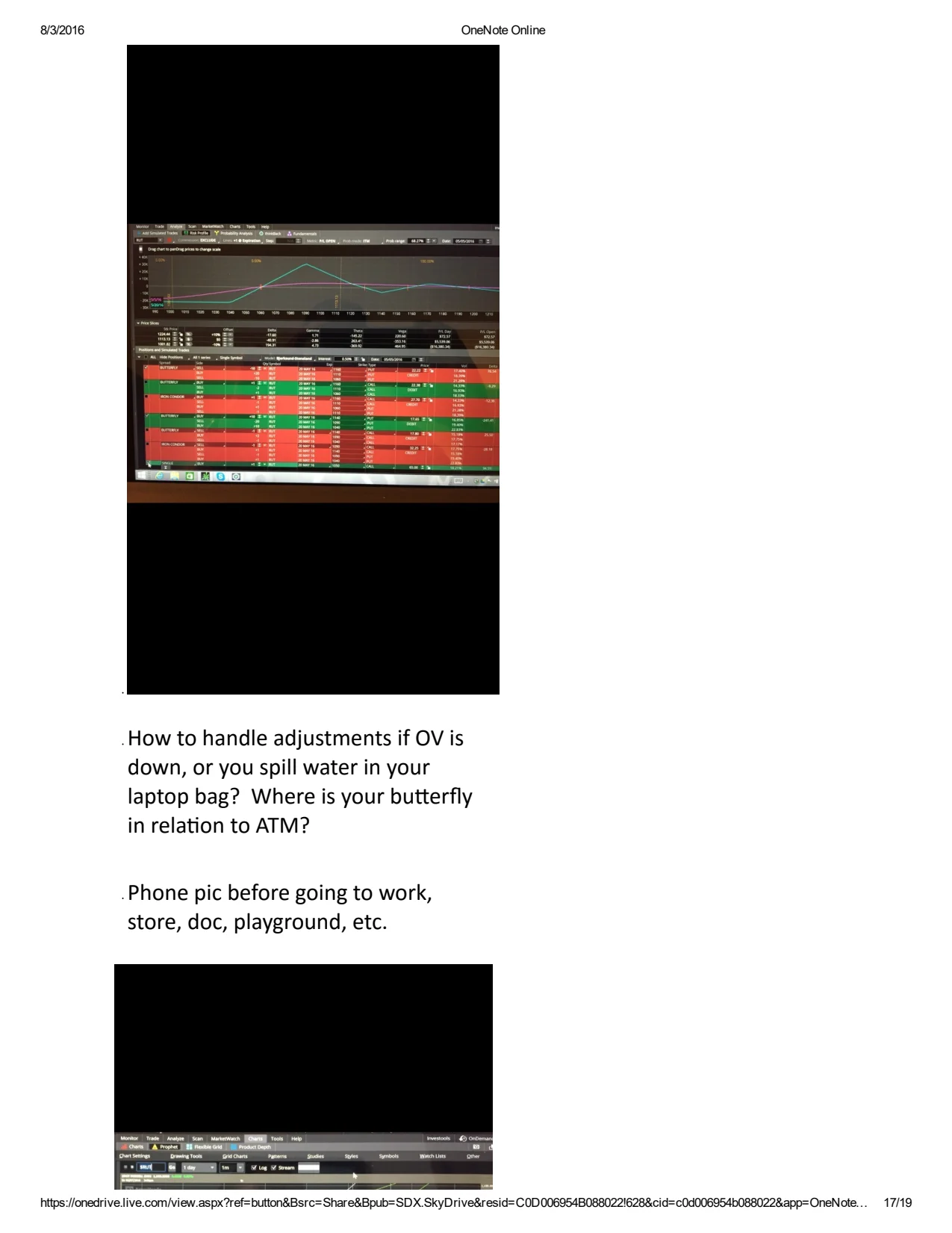
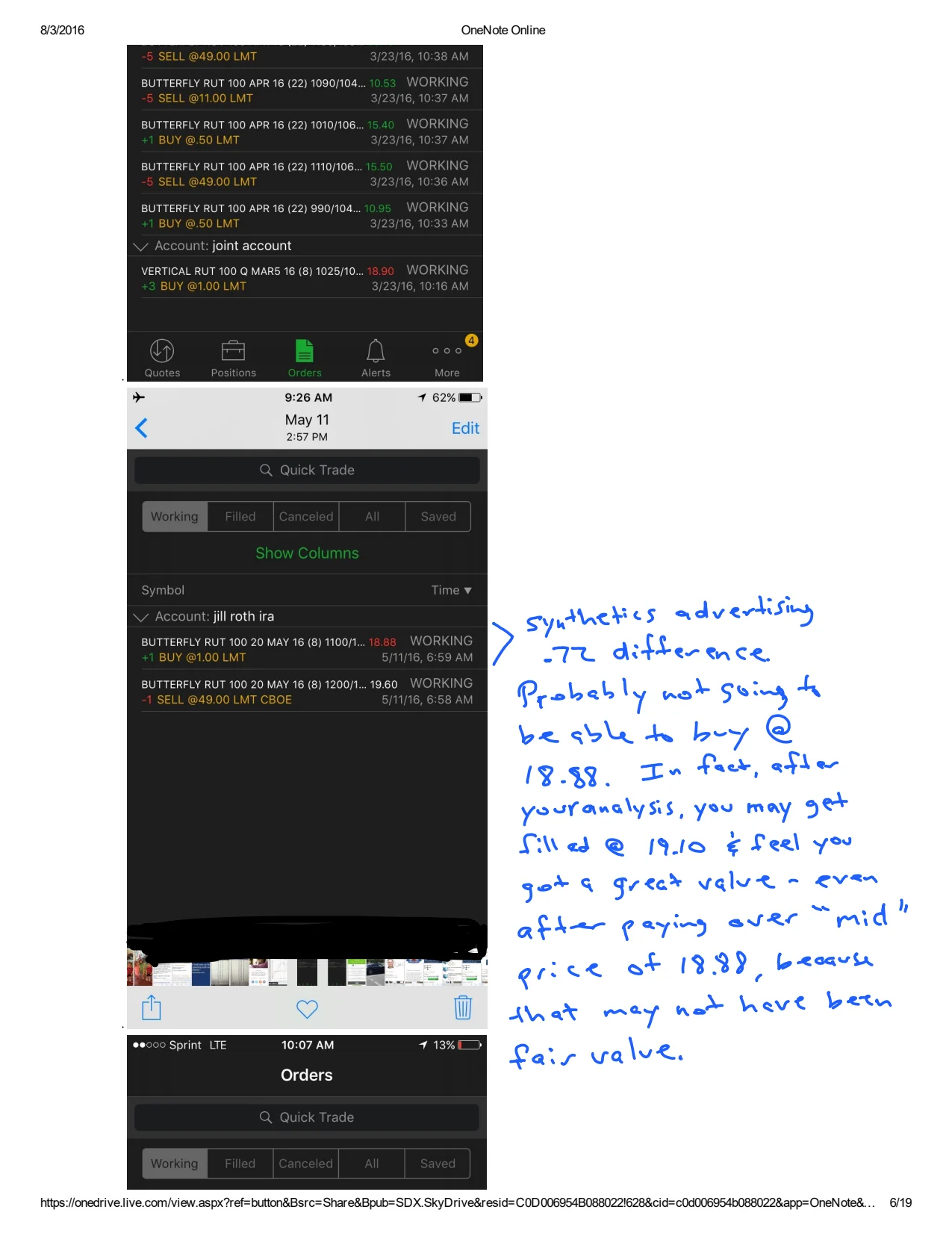

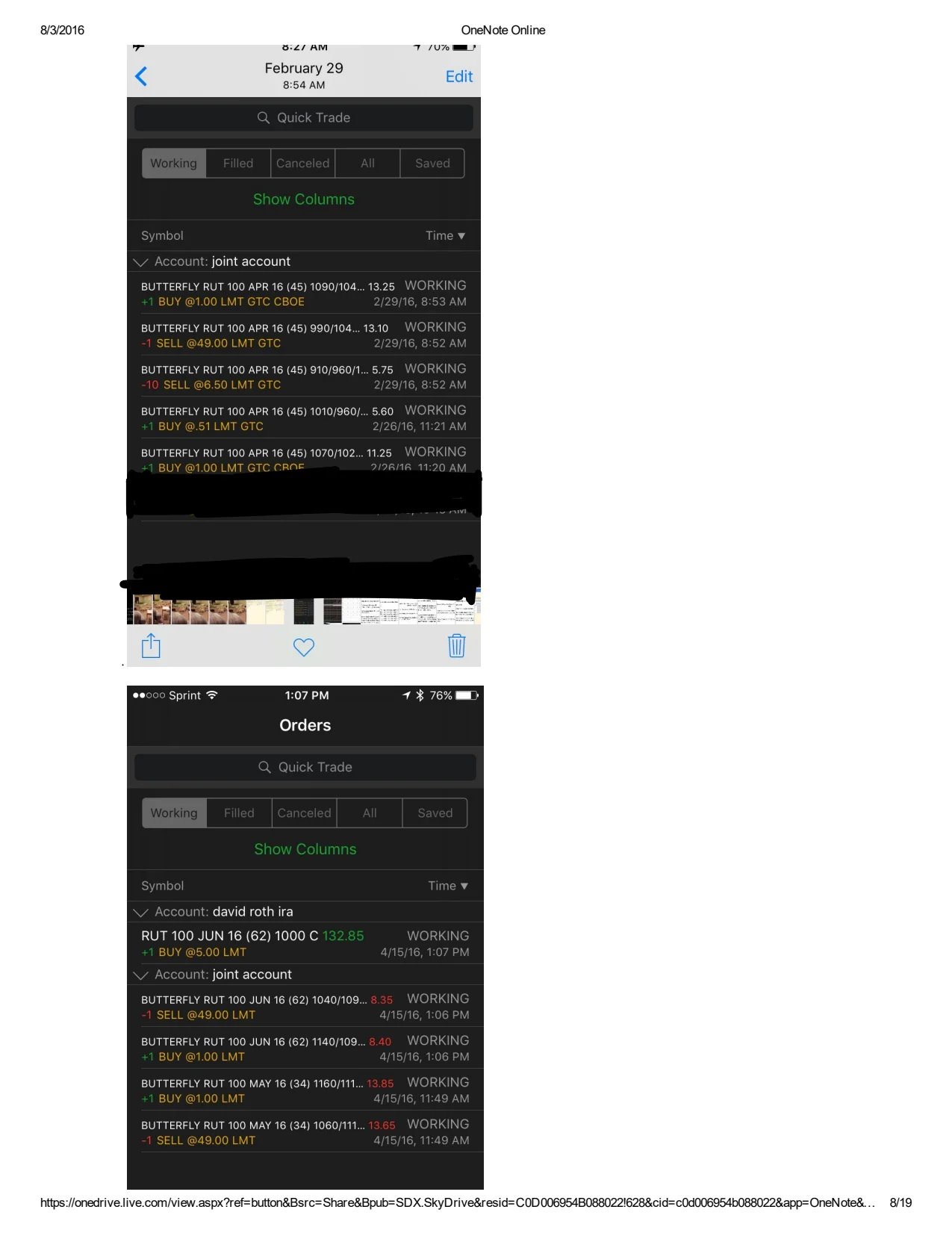
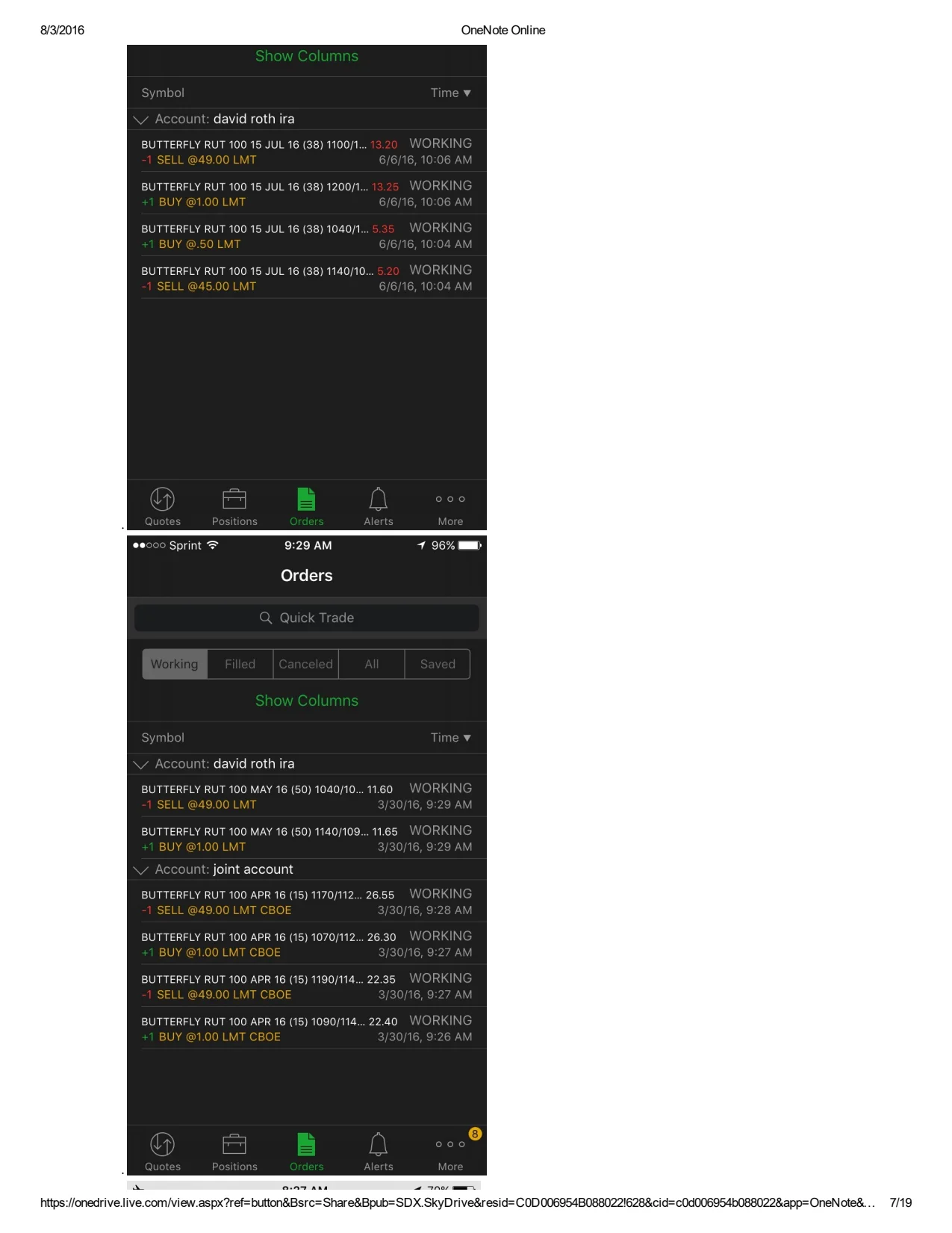
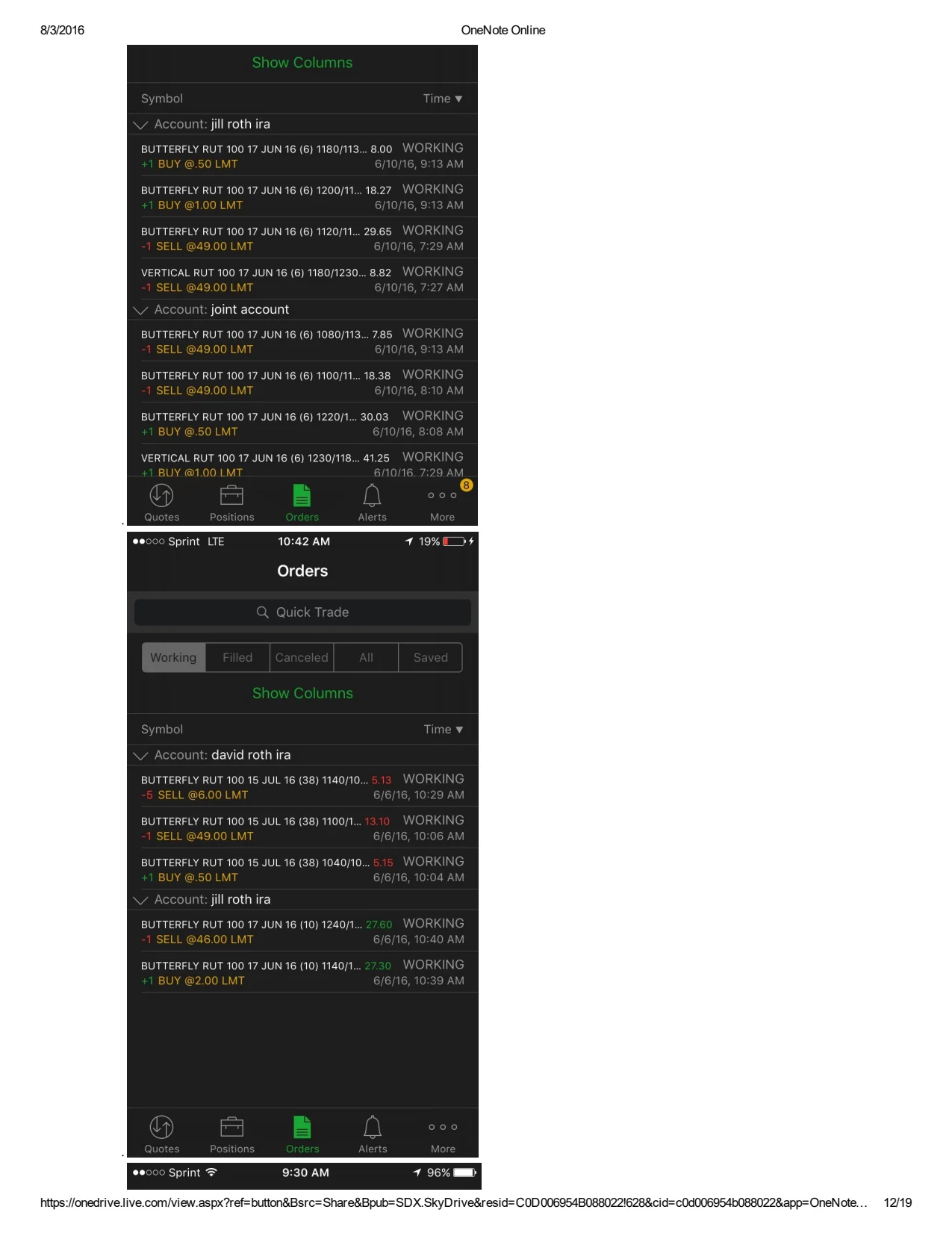
Pre-plan adjustments for potential market movements by creating duplicate orders for rollbacks ahead of time. This allows for quick execution during market changes without last-minute decision-making.
Use visualization and imagination to mentally prepare for trade outcomes and market movements, simulating potential scenarios and their adjustments.
12 1:20:55 Neutral Mindset in Trading
The speaker emphasizes the importance of a neutral mindset in delta neutral and market neutral trading, highlighting the need to avoid emotional reactions to market movements.
To succeed in trading, especially in delta neutral and market neutral strategies, traders must maintain a neutral mindset and remain open to opportunities. This mindset helps avoid emotional reactions that can lead to poor decision-making.
To achieve excellence in trading, one must study the greats, be obsessive about the process, and avoid distractions from new opportunities. Success comes from dedication to mastering the fundamentals of trading.